Introduction: What It Takes to Become a Plumber in 2026
The fastest realistic route to paid plumbing work is usually a combination of basic education, technical training, a paid apprenticeship, supervised experience, and a state or local license. The Steps to Become a Plumber in the USA can take you from high school, a GED, or a career change to helper, apprentice, journeyman, master plumber, and eventually contractor or business owner.
Requirements differ by state, county, city, and licensing authority. The Steps to Become a Plumber in the USA therefore begin with identifying the exact rules where you intend to work rather than assuming one national application exists. We researched licensing systems and found that Texas, Florida, California, and New York use noticeably different credential structures.
For 2026, the U.S. Bureau of Labor Statistics projects 2% employment growth for plumbers, pipefitters, and steamfitters from to 2034, with approximately 44,000 openings each year. Plumbing remains practical because apprentices can earn while learning, and homes, hospitals, factories, municipalities, and commercial buildings continually need water, gas, drainage, and infrastructure repairs.
We recommend viewing plumbing as a progression, not a single job. Your first years build safe habits and logged hours; later credentials can lead to higher wages, specialty work, estimating, supervision, or ownership.
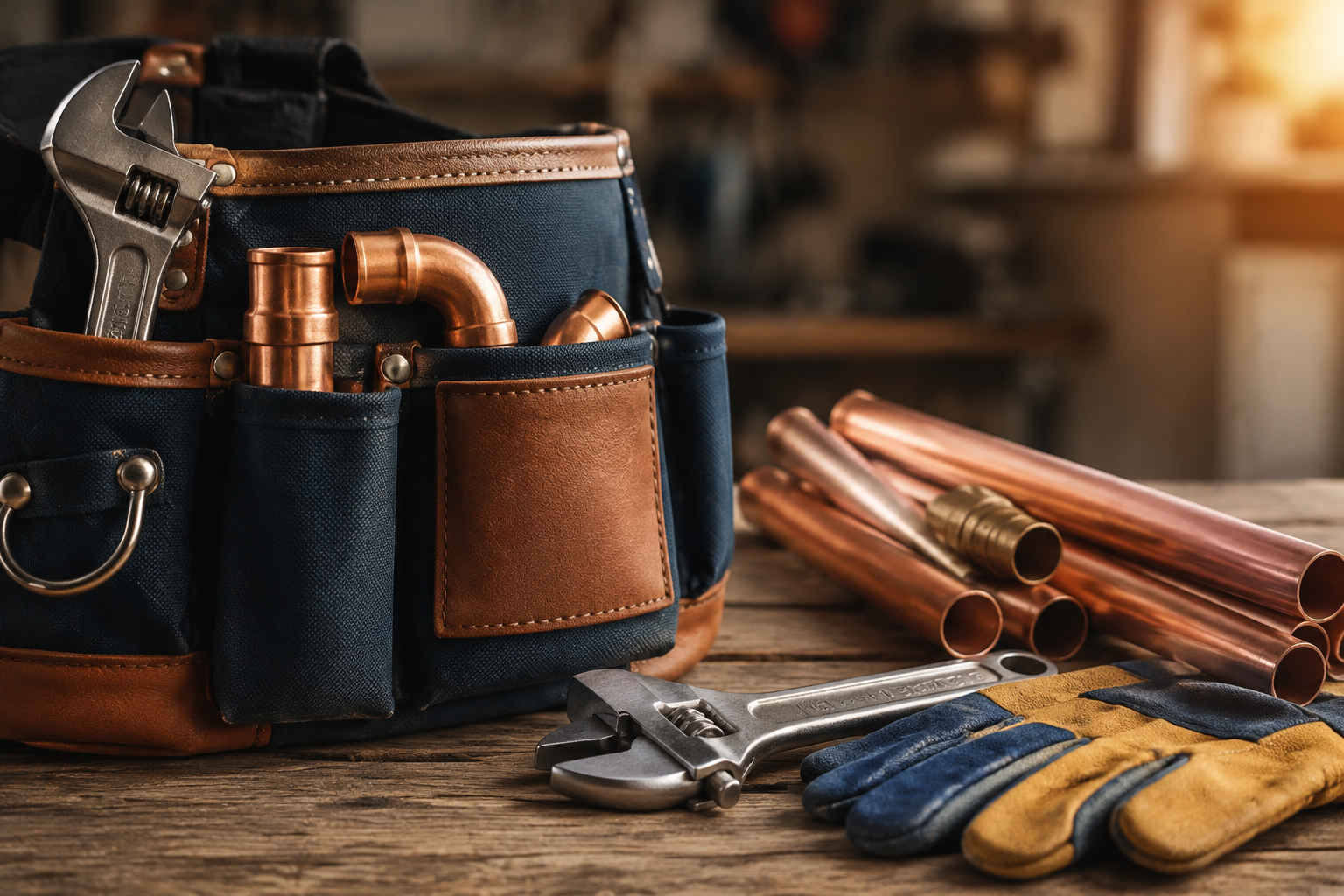
Steps to Become a Plumber in the USA: The Complete Roadmap
The Steps to Become a Plumber in the USA follow a recognizable sequence, although local details change. The practical roadmap is: meet entry requirements, research the licensing authority, choose technical training, secure an apprenticeship, document supervised hours, pass the required examination, obtain the license and permits, and pursue advanced credentials.
- Helper: Carries materials, prepares work areas, and assists licensed workers.
- Apprentice: Performs plumbing tasks under supervision while completing classroom instruction.
- Journeyman: Has met local experience and examination requirements and can perform broader work, often with defined supervision rules.
- Master plumber: Holds an advanced credential in jurisdictions that offer one and may supervise complex work or apprentices.
- Plumbing contractor: Holds the business authorization required to contract for plumbing work, pull permits, or employ tradespeople.
- Business owner: Manages licensing, insurance, vehicles, pricing, payroll, customer service, and compliance.
The Steps to Become a Plumber in the USA do not use identical titles everywhere. Texas commonly separates tradesman plumber, journeyman plumber, and master plumber credentials; Florida primarily regulates plumbing contractors through its construction licensing system; California generally requires state contractor licensing for qualifying plumbing projects above the applicable threshold; and New York City uses its own Department of Buildings system. We found that the U.S. Department of Labor Registered Apprenticeship program is a useful starting point for approved opportunities.
Step 1: Meet the Basic Education and Eligibility Requirements
Most employers and apprenticeship sponsors expect you to be at least 18, have a high school diploma or GED, and be legally authorized to work in the United States. A valid driver’s license is also common because service plumbers transport tools, parts, ladders, and equipment between job sites. These baseline requirements are the first part of the Steps to Become a Plumber in the USA.
Plumbing uses practical mathematics every day. Algebra helps with measurements and estimating; geometry supports layout and slope; basic physics explains pressure, flow, heat, and gravity; and technical reading helps you interpret blueprints and manufacturer instructions. Computer skills now matter for digital work orders, inventory, estimating software, inspection records, and customer invoices.
Some programs require an aptitude test, drug screening, background check, physical-capability assessment, or proof of reliable transportation. Prepare by completing a GED if necessary, taking an adult-education math refresher, collecting identification and work-authorization documents, and writing a one-page resume that highlights maintenance, construction, welding, HVAC, military mechanical, facilities, or customer-service experience.
Career changers should not underestimate transferable skills. In our experience, candidates who can explain how they diagnosed equipment, followed safety procedures, or served customers often compete well for entry-level roles. The Steps to Become a Plumber in the USA are open to veterans and career changers, but you must present your experience in terms of measurable tasks and dependable work habits.
Step 2: Research Your State’s Plumbing License Requirements
Before paying tuition or accepting a job, identify the state board, city building department, county authority, or utility regulator that controls plumbing work in your target area. Regulation is decentralized, so the Steps to Become a Plumber in the USA may look different even across neighboring cities. Start with official government pages and the National Association of State Contractors Licensing Agencies, not a school’s sales brochure.
| Requirement | Typical pattern | What to verify locally |
|---|---|---|
| Minimum age | Usually 18 | Whether a helper or apprentice may register younger |
| Education | Diploma or GED often preferred | Whether proof is mandatory |
| Apprenticeship hours | Often about 4–5 years | Approved sponsor and annual hour rules |
| Practical experience | Documented supervised work | Journeyman and master-hour totals |
| Exam and fees | Trade, business, or both | Current fee schedule and retest rules |
| Renewal and education | Periodic renewal is common | Cycle length and continuing-education hours |
Texas typically separates tradesman, journeyman, and master credentials. California’s contractor rules can apply to qualifying plumbing work above its applicable project threshold, while New York City has separate Department of Buildings licensing requirements. Reciprocity is limited: one state’s license may not authorize work elsewhere, although documented experience or selected credentials may be recognized.
The Steps to Become a Plumber in the USA become far less expensive when you verify eligibility first. Save the licensing board’s checklist, call the office with specific questions, and ask whether every classroom credit and work hour from your proposed program will count.
Step 3: Choose Plumbing Education and Technical Training
You generally have three training routes. A trade school or community college offers concentrated classroom and laboratory instruction; an employer may provide entry-level training while you work; and a formal Registered Apprenticeship combines paid employment with structured classroom education. Based on our analysis, a formal apprenticeship is often the strongest financial option when you can obtain a place.
Useful coursework includes plumbing codes, drainage and vent systems, potable-water distribution, gas piping, fixture installation, blueprint reading, soldering, brazing, press-connect systems, drain cleaning, and job-site safety. You should also practice reading specifications and calculating material quantities rather than memorizing isolated procedures.
Certificate programs commonly take to months and may cost several thousand dollars, depending on location, lab access, and institution. Apprenticeships commonly last to years, combine paid work with classroom instruction, and often involve roughly 2,000 work hours per year. The Steps to Become a Plumber in the USA should match your local licensing rules, not merely a school’s advertised completion date.
Before enrolling, check accreditation, instructor experience, lab hours, employer partnerships, graduation outcomes, tool costs, transportation demands, and licensing acceptance. Ask for the written curriculum. Safety training should include confined spaces, trenching, ladders, personal protective equipment, and hazardous materials; consult OSHA construction safety resources for recognized topics. We recommend comparing at least two programs in writing before committing.
The Steps to Become a Plumber in the USA are easier when training produces evidence: transcripts, competency records, instructor sign-offs, and a clear path into supervised employment.
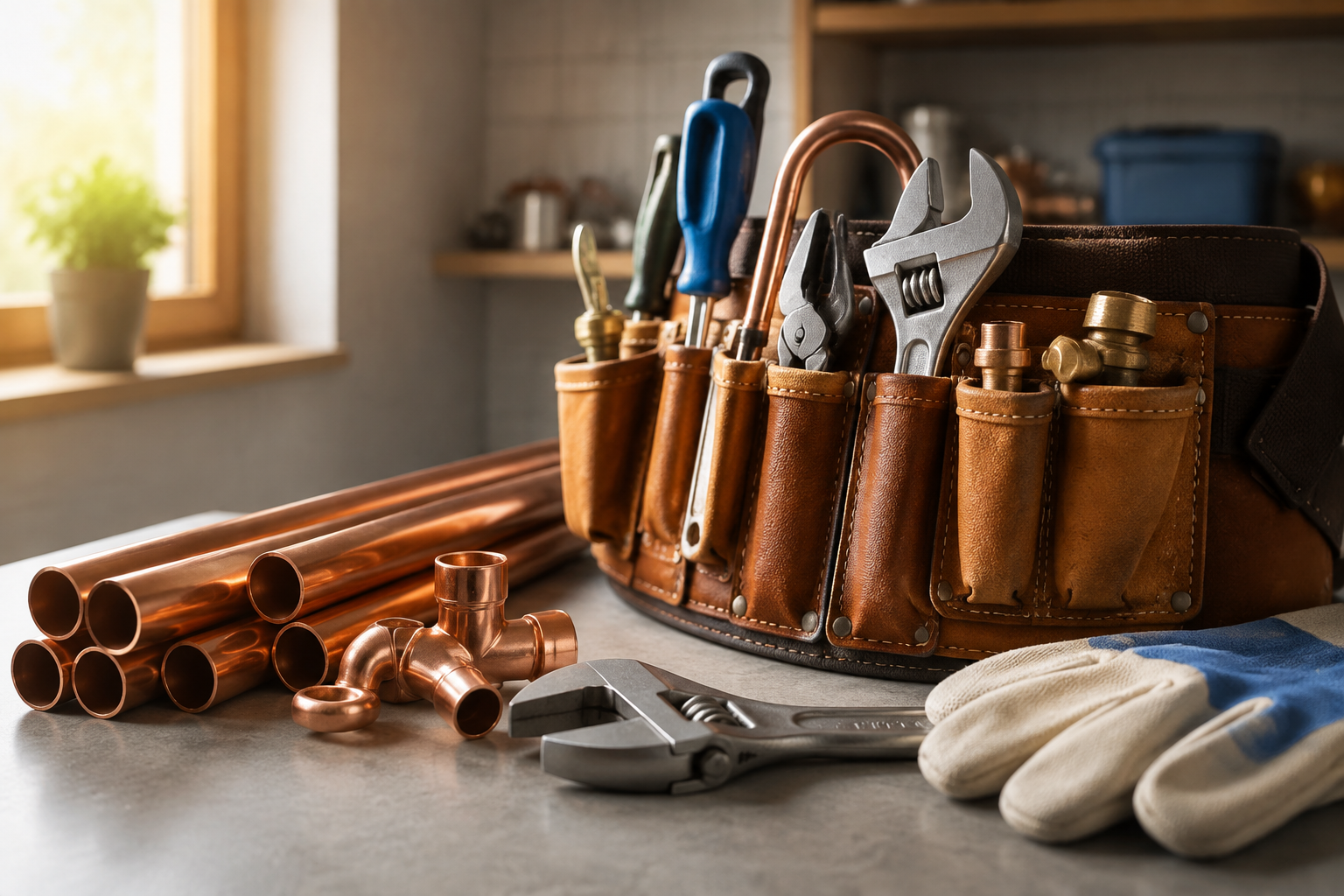
Step 4: Find and Complete a Plumbing Apprenticeship
An apprenticeship is the central paid pathway in the Steps to Become a Plumber in the USA. You work under licensed or otherwise qualified plumbers, receive structured instruction, and accumulate documented on-the-job hours. Many programs last about to years and combine approximately 2,000 work hours per year with classroom education; wages and responsibilities generally increase as your skills advance.
Apply through union locals, plumbing and mechanical contractors, municipal utilities, commercial construction firms, nonunion sponsors, and the Apprenticeship.gov search tool. A legitimate program should explain its wage schedule, benefits, supervision, classroom requirements, complaint process, and recordkeeping system before you enroll.
Use this application checklist:
- Tailor your resume to mechanical, construction, safety, and customer-service experience.
- Gather two or three references who can discuss attendance and reliability.
- Complete aptitude testing and prepare for questions about working in heat, tight spaces, and changing job sites.
- Bring identification, education records, and any military or technical certificates.
- Follow up professionally after interviews instead of sending repeated informal messages.
Apprentices normally get paid. Structured raises, workers’ compensation, and sometimes health or retirement benefits are typical; unpaid trial labor deserves careful scrutiny. From day one, record employer, supervisor, dates, classification, hours, classroom credits, tasks, and license documents. The Steps to Become a Plumber in the USA depend heavily on proving that your experience was supervised and properly recorded.
Step 5: Build the Skills Employers and Customers Actually Need
Technical ability gets you hired, but employability determines whether you advance. Employers and customers notice accurate diagnosis, clean installations, code compliance, safe habits, punctuality, clear written estimates, respectful communication, and honest explanations. The Steps to Become a Plumber in the USA reward workers who solve the actual cause of a problem rather than selling a repeated temporary fix.
Build competence in reading plans; measuring and cutting pipe; joining copper, PEX, CPVC, and other systems; installing fixtures; testing for leaks; clearing drains; repairing valves; and identifying water-heater faults. Newer work may involve press fittings, trenchless repair, camera inspection, electronic leak detection, tankless water heaters, and digital job-management systems. We found that employers increasingly value technicians who can document their work as carefully as they perform it.
Consider a recurring kitchen drain backup. A careful technician checks the trap, branch line, venting, cleanout access, and downstream blockage, then tests the system after clearing it. Repeatedly selling drain chemicals without identifying the restriction can damage piping, disappoint the customer, and create a complaint.
Maintain a skills log with dates, photos where permitted, completed tasks, code references, materials used, and supervisor sign-offs. Review it monthly and connect each task to a credential requirement. The Steps to Become a Plumber in the USA become more manageable when you can prove exactly what you have done, not simply say that you have “general experience.”
Step 6: Pass the Journeyman or Master Plumber Examination
Licensing exams commonly test plumbing code, drainage and venting, water distribution, gas systems, fixtures, safety, mathematics, business law, and local amendments. The Steps to Become a Plumber in the USA require you to confirm the correct examination because a journeyman trade test and a master or contractor examination may have different eligibility rules.
- Confirm the required experience, education, and application forms.
- Submit verified work records and obtain approval to test.
- Buy the current approved codebook and candidate bulletin.
- Study local amendments as well as the base code.
- Complete timed practice questions and review every missed answer.
- Schedule the exam, then prepare identification, calculator, codebook, and permitted materials.
Study for to weeks using to minutes on workdays and one longer practice session each week. Many exams are open-book, but rules can restrict notes, loose papers, tabs, calculators, or electronic devices. Check the current handbook from your licensing board and review code material through the International Code Council.
If you fail, read the score report, identify weak subjects, correct application issues, observe any waiting period, and retest. One unsuccessful attempt is information about preparation, not a final career judgment. We recommend tracking practice accuracy by subject; a score of 80% on drainage questions does not compensate for a serious weakness in gas safety.
The Steps to Become a Plumber in the USA reward disciplined preparation more than last-minute memorization.
Step 7: Obtain the Required License, Insurance, and Permits
A personal trade license and a contractor or business license are different. You may be qualified to perform plumbing work while still needing a separately licensed contractor or employing company to contract with customers, pull permits, or supervise other workers. This distinction is one of the most consequential parts of the Steps to Become a Plumber in the USA.
Applications may require verified experience, apprenticeship completion, exam scores, fingerprints, background checks, insurance, bonds, fees, and continuing-education records. Keep digital copies of every submission and confirmation. In 2026, a secure cloud folder should contain your license, renewal notice, education certificates, permits, inspection results, insurance policies, and current contact details for the licensing authority.
Permits and inspections may apply to water-heater replacement, sewer work, gas piping, remodels, backflow prevention, and new construction. Local building departments can add requirements beyond state rules, while utility providers may impose separate gas or water procedures. Before independent work, confirm requirements with the state board, county, city building department, and relevant utility.
Do not assume that an employer’s license covers work you perform independently. The Steps to Become a Plumber in the USA include maintaining renewal dates, continuing education, insurance limits, and permit records throughout your career. Missing a renewal can interrupt lawful work even when your technical skills remain current.
Plumber Salary, Costs, Benefits, and Career Specialties
The Bureau of Labor Statistics reports wage data for plumbers, pipefitters, and steamfitters, including a median annual wage that changes with each published release. Your actual pay varies by location, overtime, union status, specialty, experience, and employer type; check the current BLS table rather than relying on an old salary advertisement. The Steps to Become a Plumber in the USA can lead to higher earnings when documented hours support licensing and specialty work.
Budget for application and examination fees, codebooks, tools, boots, eye and hearing protection, transportation, tuition, license renewals, and business insurance. A certificate may cost several thousand dollars, while an apprenticeship can reduce tuition exposure but still requires tools, commuting money, and time for classroom attendance. We analyzed entry-level budgets and recommend keeping emergency savings for at least one unexpected vehicle or tool expense.
Career paths include residential service, commercial construction, industrial piping, municipal water systems, facilities maintenance, gas fitting, medical gas, fire suppression, backflow testing, and water-efficiency or green plumbing. Union and established employers may provide health insurance, retirement plans, paid training, overtime, vehicles, or selected tools.
A realistic five-year progression might move from helper to first-year apprentice, then advanced apprentice and licensed journeyman, depending on local rules. Specialty certifications, night classes, clean safety records, and reliable customer reviews can influence both wage offers and access to complex work. The Steps to Become a Plumber in the USA are not a promise of one salary; they are a framework for building valuable, portable competence.
Plumbing Career Gaps Many New Applicants Miss
Financial planning should begin before training. Create a budget for tools, transportation, classroom time, license fees, and emergency savings, then investigate community-college grants, employer sponsorship, veterans’ benefits, and workforce-development funding. The Steps to Become a Plumber in the USA can be affordable, but only if you price the first six months rather than tuition alone.
The work can involve lifting, kneeling, heat, confined spaces, repetitive motion, ladders, and contaminated water. Use safe body mechanics, hydrate, wear eye protection, select respiratory protection when required, and follow the Occupational Safety and Health Administration guidance. OSHA standards cover hazards such as trenching and confined spaces; shortcuts can produce injuries that end a promising career.
Ethics are equally practical. Never conceal damage, misrepresent code requirements, pressure a customer into an unnecessary replacement, or perform unpermitted work. Complaints, fines, license discipline, failed inspections, and lawsuits can follow. Background concerns deserve accurate handling: a prior conviction does not automatically eliminate every pathway, but you should disclose information honestly and ask the licensing board about its review process.
Women, veterans, immigrants with valid work authorization, and career changers should seek sponsors offering mentorship, properly fitting protective equipment, language support, and fair selection practices. We recommend asking current apprentices whether training is genuinely supervised. Aging water systems, water-efficiency upgrades, extreme-weather repairs, and resilient plumbing design may support long-term demand. The Steps to Become a Plumber in the USA include preparing for these physical, ethical, and infrastructure realities.
Start Working and Plan the Next Career Move
Use this 30-day plan to turn interest into applications. During week one, identify the licensing authority and call three apprenticeship sponsors. During week two, finish your resume, gather identification and education records, and compare two training programs. During weeks three and four, apply to at least five entry-level openings, complete any aptitude testing, and schedule interviews. The Steps to Become a Plumber in the USA become real when you create deadlines and submit documents.
Evaluate a first employer carefully. Ask about supervised training quality, legal payroll, safety history, wage progression, tool expectations, travel time, benefits, license-hour documentation, and opportunities to work on residential, commercial, drainage, water, and gas systems. A slightly higher starting wage may be inferior if the employer does not document hours or teaches unsafe shortcuts.
Build your reputation with accurate arrival windows, written estimates, before-and-after photos, clean work areas, transparent invoices, and prompt warranty follow-up. If you become self-employed, choose a business structure, register the company, obtain contractor licensing, secure general liability and workers’ compensation coverage, set prices, use written contracts, and learn local tax obligations.
Review progress every six months against logged hours, completed courses, new competencies, wage changes, exam readiness, customer feedback, and next-license eligibility. The Steps to Become a Plumber in the USA work best as a repeating career review rather than a checklist you abandon after your first job.
Conclusion: Your Next Three Actions
The Steps to Become a Plumber in the USA depend on local rules, supervised experience, technical competence, and successful licensing—not a single national application. In 2026, your best advantage is accurate documentation: every approved classroom credit, supervised work hour, exam result, permit, and renewal record should be easy to retrieve.
- Identify the correct state licensing board and local building-department pages, then save their current checklists.
- Contact at least three apprenticeship sponsors and ask about wages, supervision, hours, classroom instruction, and benefits.
- Create a budget and secure document folder for training, tools, transportation, applications, licenses, insurance, and emergency costs.
Choose paid, supervised training whenever possible, and verify in writing that the work you perform will count toward the credential you want. We recommend setting a 90-day deadline to complete eligibility research, submit applications, begin foundational math or safety training, and secure interviews with plumbing employers.
The Steps to Become a Plumber in the USA start with one phone call and become a career through consistent, documented progress. Learn the rules, do the work safely, and let every completed task move you closer to the license and reputation you want.
Key Takeaways
- Plumbing careers usually progress from helper or apprentice to journeyman, master plumber, contractor, or business owner.
- Licensing requirements vary by state, city, and authority, so verify rules before paying for training or counting work hours.
- A paid apprenticeship commonly combines approximately 2,000 work hours per year with classroom instruction over to years.
- Document supervised hours, classroom credits, tasks, exams, permits, insurance, and renewals from your first day.
- Your immediate 90-day target should include licensing research, three sponsor contacts, applications, foundational training, and employer interviews.
Frequently Asked Questions
How long does it take to become a plumber in the USA?
Entry-level plumbing work may begin after basic screening and short training, but becoming a licensed journeyman commonly takes about to years through an apprenticeship. Master or contractor credentials require additional experience, examinations, and business requirements that vary by jurisdiction.
Do plumbers get paid during an apprenticeship?
Legitimate plumbing apprenticeships normally provide wages, structured raises, and sometimes health or retirement benefits while you work under supervision. Confirm the sponsor’s wage schedule, classroom requirements, and recordkeeping policy before accepting a position.
Do you need a college degree to become a plumber?
A four-year college degree is not typically required. Employers and licensing authorities commonly look for a high school diploma or GED, technical training, supervised experience, examinations, and any local registration or license.
Can a plumbing license transfer from one state to another?
Not automatically. Plumbing regulation is local, and another state may require a new application, examination, documented experience, or a contractor credential even if it recognizes some existing qualifications.
What is the difference between a journeyman and master plumber?
A journeyman plumber has completed the jurisdiction’s required supervised experience and examination and can perform defined plumbing work under applicable rules. A master plumber generally has more experience and may supervise workers, qualify a business, or perform advanced work where that credential exists.
What should you study for a plumbing licensing exam?
Study the current plumbing code, drainage and venting, water distribution, gas systems, fixtures, mathematics, safety, business law, and local amendments. Obtain the licensing board’s candidate handbook because open-book rules, approved codebooks, calculators, notes, and retest procedures differ.
What are the main Steps to Become a Plumber in the USA?
The main Steps to Become a Plumber in the USA are meeting entry requirements, researching local rules, completing technical training, finding a paid apprenticeship, documenting supervised hours, passing the required exam, obtaining licenses and permits, and pursuing advanced credentials.
