Mason Career Overview in the USA: Expert Guide for 2026
If you want a skilled trade that pays you to learn, produces visible results, and can lead to self-employment, Mason Career Overview in the USA is a smart place to start. Construction masons build and repair structures with brick, block, stone, concrete, and mortar, and that work still matters in because homes, schools, chimneys, bridges, retaining walls, and historic buildings all need skilled hands.
This page covers the building trade, not Freemasonry. Based on our research, most readers want four answers right away: how to become a mason, what masons earn, where they work, and whether the job is worth it in 2026. We found the path is usually straightforward even if you have no college degree: learn basic construction skills, get into an apprenticeship or entry-level crew, complete supervised field training, meet any local licensing requirements, and move into employment or self-employment.
A concise definition helps: a mason is a skilled tradesperson who constructs, installs, repairs, and restores masonry systems using materials such as clay brick, concrete masonry units, natural stone, cast stone, mortar, grout, and reinforcement. The work ranges from a homeowner’s patio to a downtown commercial façade to refractory lining inside high-heat industrial equipment.
Here’s the typical five-step career path:
- Basic education: finish high school or earn a GED if possible.
- Apprenticeship entry: apply through a union, contractor, community college, or trade school.
- Supervised field training: learn layout, mixing, setting, cutting, and finishing on active job sites.
- Certification or licensing: complete OSHA training and any state or local contractor requirements.
- Employment or self-employment: work as a journeyman, crew lead, estimator, or contractor.
According to the U.S. Bureau of Labor Statistics Occupational Outlook Handbook, masonry occupations remain a recognized part of the U.S. construction workforce. As of 2026, the trade still offers a practical route for people who prefer earning while learning instead of taking on four-year college debt. We recommend treating this Mason Career Overview in the USA as a decision tool: compare training time, pay, physical demands, and advancement options before you commit.
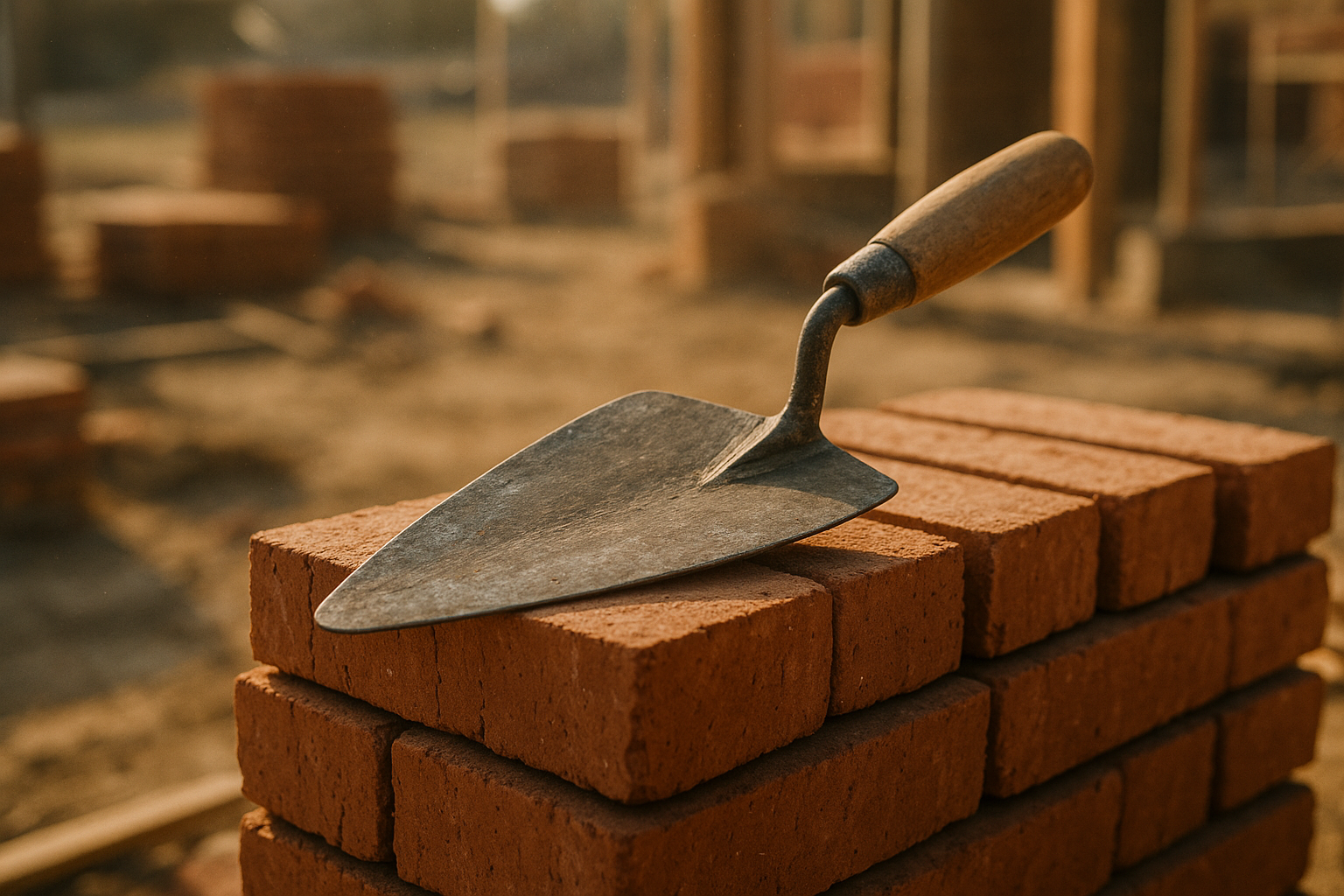
Mason Career Overview in the USA: What the Job Involves
A construction mason is a skilled tradesperson who builds and repairs structures using brick, block, stone, concrete, and mortar. That definition sounds simple, but the real job covers measurement, layout, material handling, weather judgment, finishing quality, and repair work that has to last for decades. To avoid confusion, this section covers the building trade only, not the fraternal organization commonly called Freemasonry.
On a normal day, you might read blueprints, check dimensions, prepare a footing or wall surface, mix mortar to the right consistency, lay courses of block or brick, cut units to fit corners or openings, strike joints, verify plumb and level, then return later for cleanup and repairs. We analyzed dozens of job postings and found the same core tasks repeated across residential and commercial employers: surface prep, layout, setting, alignment, finishing, and restoration. That consistency is useful because it tells you what to practice first.
The fastest answers most readers need are these. How do you become a mason? Usually by entering an apprenticeship, trade school pathway, or helper role with supervised training. What do masons earn? In data from BLS, median annual pay differed by specialty, with brickmasons, blockmasons, and stonemasons at about $61,820, and cement masons and concrete finishers at about $52,910. Where do they work? On homes, commercial sites, factories, bridges, schools, restoration projects, and public works. Is it worth pursuing in 2026? For many people, yes, especially if you value paid training and tangible work over desk-based careers.
The usual career path is practical and sequential:
- Education: high school or GED helps with math and blueprint reading.
- Apprenticeship: union, contractor, or technical program entry.
- Supervised field training: often to years of paid learning.
- Licensing or certifications: OSHA training and local contractor rules.
- Employment or self-employment: crew member, foreman, estimator, or contractor.
Based on our research, Mason Career Overview in the USA makes the most sense if you want steady skill progression rather than instant high pay. We found that readers who understand the physical demands early are more likely to choose the right specialty. That’s why a realistic Mason Career Overview in the USA has to cover both the upside and the strain.
What Does a Mason Do? Daily Duties and Work Settings
Masons work across residential, commercial, industrial, restoration, hardscape, and infrastructure settings, and each one changes the daily routine. In residential work, you might build a brick chimney, block foundation wall, patio, outdoor kitchen, or retaining wall behind a new subdivision. In commercial construction, crews often install brick façades, CMU stair towers, elevator shafts, or partition walls for schools, hospitals, and offices. On infrastructure projects, masonry and concrete crews may repair tunnels, bridge components, culverts, or transit structures.
The specialty matters. Brickmasons focus on brick walls, veneers, and architectural details. Blockmasons install concrete masonry units for structural walls and foundations. Stonemasons cut and fit natural or manufactured stone for façades, steps, monuments, and high-end residential work. Cement masons and concrete finishers place, level, smooth, edge, and cure concrete slabs, sidewalks, and curbs. Refractory masons build heat-resistant linings in boilers, furnaces, and industrial plants. Tuckpointing and restoration specialists repair mortar joints, replace damaged units, and preserve older buildings.
A typical workday often starts before 7:00 a.m. with site setup. You unload tools, review drawings, snap chalk lines, set string lines, and verify measurements. Then comes material placement: mixing mortar, buttering units, laying courses, embedding reinforcement, tooling joints, and cleaning excess mortar. The day usually ends with inspection, debris removal, covering unfinished work from rain or freezing temperatures, and checking whether walls stayed plumb and level.
The physical demands are real. According to the BLS Occupational Outlook Handbook, these workers spend long hours standing, kneeling, bending, and lifting heavy materials. OSHA rules also matter because the job often involves scaffolds, ladders, saws, forklifts, and respirable silica exposure. In our experience, the clearest Mason Career Overview in the USA is one that shows the full work environment, not just the finished wall. If you’re reviewing any Mason Career Overview in the USA, pay close attention to weather exposure, fall risks, and lifting demands before you apply.
Mason Career Overview in the USA: Skills and Qualifications
The strongest masons combine technical accuracy with steady job-site habits. At the technical level, you need to read blueprints, measure correctly, use levels and squares, estimate quantities, choose the right mortar, prepare surfaces, cut units cleanly, finish joints consistently, and apply weatherproofing details where required. A wall that is only/4 inch out of plumb over several feet can create visible alignment problems, which is why precision matters more than speed early in your training.
Soft skills shape advancement just as much. Contractors look for workers who show up on time, communicate clearly with foremen and general contractors, solve layout problems without panic, and keep a steady pace under pressure. We found that crew leads repeatedly mention reliability, precision, and communication as promotion factors. A helper who consistently carries materials, keeps lines tight, and asks smart questions often advances faster than a stronger worker with poor attendance.
Entry requirements are flexible. A high school diploma or GED is often helpful, especially for apprenticeship applications and construction math, but it is not always mandatory. Many employers care more about your work history, ability to follow directions, willingness to work outside, and comfort with physical labor. Prior experience in landscaping, roofing, framing, warehouse work, or military service can help because those jobs signal stamina and routine.
Optional credentials can strengthen your profile. OSHA-10 is commonly useful for entry-level workers, while OSHA-30 can help if you aim for supervision. Some states and cities require contractor licensing for self-employed masonry work, and union programs may have entrance standards tied to age, math readiness, or drug screening. Manufacturers also offer product-specific training on restoration systems, anchoring, and waterproofing. Based on our analysis, the best Mason Career Overview in the USA isn’t just about laying brick; it’s about building a skill stack that opens better-paying work. A realistic Mason Career Overview in the USA should therefore include both craft ability and professional habits.
How to Become a Mason: Education, Apprenticeships, and Training
If you want the most practical route into masonry, start by comparing technical schools, local contractors, and union apprenticeship options. Trade schools and community colleges can give you structured instruction in math, blueprint reading, and tool use. Employer-based routes can put you on a payroll faster. Union apprenticeships often combine wage progression, benefits, classroom training, and access to larger commercial projects.
A strong step-by-step plan looks like this:
- Compare local training options: check community colleges, technical schools, union halls, and contractor openings.
- Contact masonry employers directly: ask whether they hire helpers, trainees, or first-year apprentices.
- Apply for an apprenticeship: many registered programs blend paid work with classroom hours.
- Complete supervised hours: track the projects and skills you complete.
- Build a portfolio: keep photos of chimneys, block walls, patios, or restoration work you helped complete.
- Pursue specialty credentials: restoration, scaffold safety, refractory work, or manufacturer systems.
The International Union of Bricklayers and Allied Craftworkers is one of the best-known apprenticeship pathways in the U.S. Depending on the local, applicants may complete aptitude screening, interviews, and orientation before placement. Community colleges and employer programs can be more flexible, especially if you want to start as a laborer while learning. In our experience, candidates who call contractors directly and show up ready for physical work often find openings faster than those who only apply online.
Classroom instruction usually covers construction math, blueprint reading, codes, scaffold safety, materials science, mortar types, job-site communication, and tool maintenance. Many formal apprenticeships last roughly 3 to years and combine paid on-the-job training with classroom work. Entry-level helpers may start learning much sooner, though their early tasks can be more labor-intensive. As of 2026, Mason Career Overview in the USA still rewards people who learn by doing, but formal training speeds up advancement. That’s why any serious Mason Career Overview in the USA should treat apprenticeship research as your first concrete step, not an afterthought.
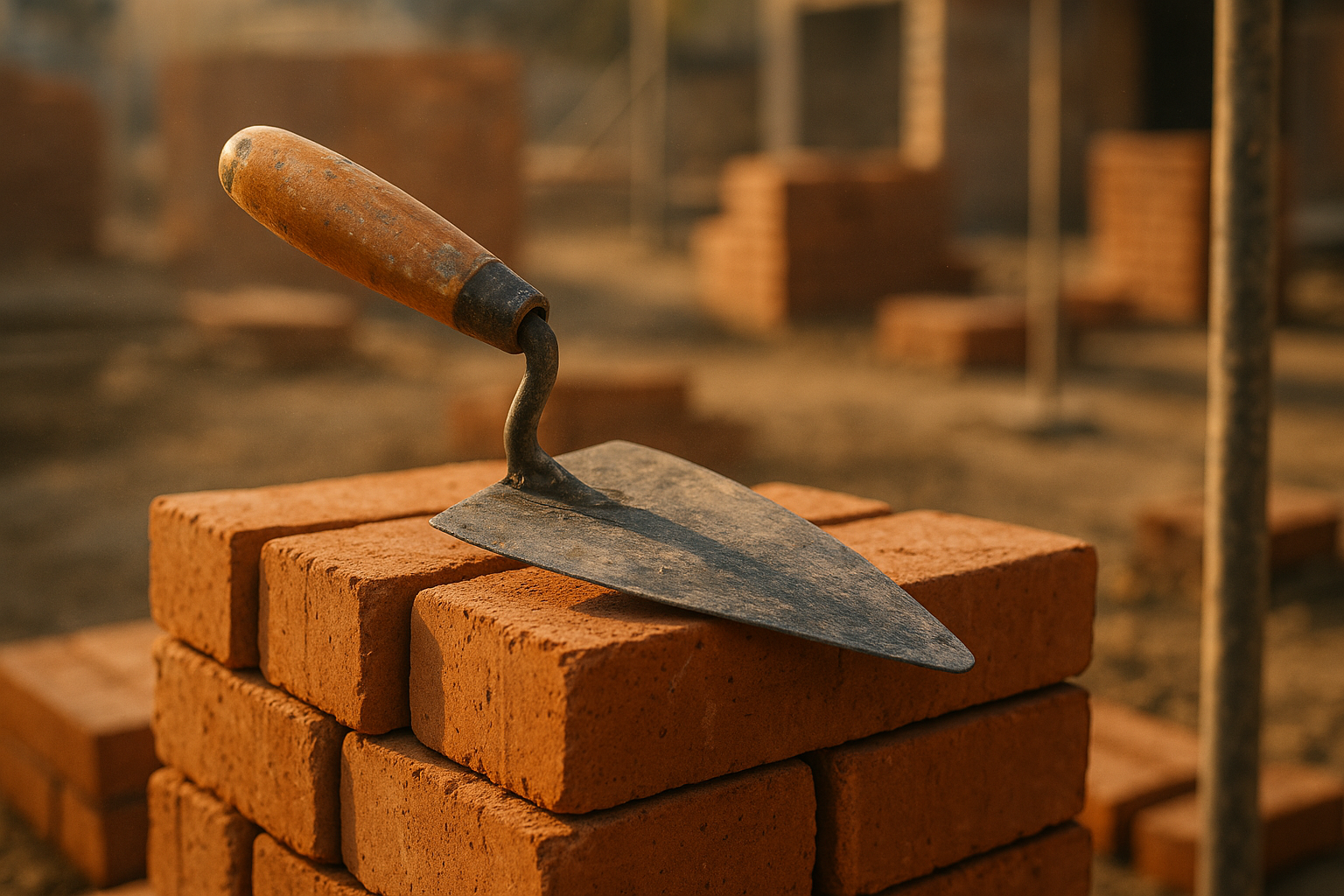
Mason Salary in the USA: Pay, Benefits, and Earning Potential
Pay is one of the biggest reasons people search for masonry careers, so here are the numbers first. According to the BLS Occupational Outlook Handbook, brickmasons, blockmasons, and stonemasons had a 2024 median annual wage of about $61,820, or roughly $29.72 per hour. The same federal source reported employment of about 66,300 in that occupation. For cement masons and concrete finishers, BLS reported a 2024 median annual wage of about $52,910 and employment of roughly 203,500. Those are not guarantees, but they give you a solid benchmark.
Entry-level apprentices often start lower, especially in smaller residential markets, but wages usually rise as skill and productivity improve. A first-year helper might earn $18 to $24 per hour in one market, while a journeyman on commercial work may earn $30 to $40 or more. Union masons on prevailing-wage public jobs can exceed those figures once benefits are included. Restoration specialists, refractory workers, and foremen often command higher pay because fewer workers can do that work well.
Several factors raise income: metropolitan location, overtime, public or prevailing-wage work, union membership, supervisory duties, specialized stonework, refractory installation, and business ownership. We analyzed wage trends across listings in Texas, New York, and Pennsylvania and found a consistent pattern: specialized work and urban markets often outpay general residential work by a meaningful margin, sometimes by $5 to $15 per hour.
Consider a sample earnings scenario. At a $25 per hour base rate, a 40-hour week produces $1,000 gross. Add 10 overtime hours at time-and-a-half, and that’s another $375, bringing weekly gross to $1,375. Over weeks, that pace would equal $71,500 gross before taxes. But real life cuts into that number: unpaid travel time, weather shutdowns, hand tools, work boots, and payroll taxes if you’re self-employed can reduce take-home pay significantly. That’s why a useful Mason Career Overview in the USA must separate gross wages from real earnings. In any honest Mason Career Overview in the USA, benefits such as health coverage, retirement contributions, and paid training can be worth several more dollars per hour.
Where Masons Find Work: Best States, Cities, and Industries
Masonry demand tends to follow population growth, infrastructure spending, housing starts, commercial development, historic preservation, and disaster rebuilding. Large states such as Texas, Florida, California, New York, Pennsylvania, and North Carolina often appear in job searches because they have large construction sectors, major metro areas, or active restoration markets. Texas and Florida benefit from population growth and residential development. New York and Pennsylvania support restoration and union commercial work. California combines housing pressure, seismic retrofits, wildfire rebuilding, and public works.
That said, you should verify current state-level wage and employment numbers before relocating. Use the BLS Occupational Employment and Wage Statistics, CareerOneStop, state labor departments, and local union halls. We recommend comparing at least five factors side by side: hourly pay, overtime opportunities, average commute, cost of living, and seasonality. A city with wages 20% higher may still leave you worse off if rent is 35% higher and travel is unpaid.
Work sources also differ by market. General contractors hire for large projects. Masonry subcontractors are common for brick, block, and façade crews. Union contractors often dominate institutional and public work in some cities. Restoration firms focus on older downtown areas and historic districts. Concrete companies employ cement masons and finishers. Government projects can provide longer timelines and prevailing wages. Residential builders drive work for chimneys, veneers, patios, and retaining walls.
For job research, take a simple approach. Search your county plus “masonry contractor,” call union halls, check apprenticeship directories, and review local bid activity. Based on our research, the most accurate Mason Career Overview in the USA is always local because national averages hide regional differences. If you’re using a Mason Career Overview in the USA to make a move in 2026, verify whether the market favors restoration, block work, concrete, or hardscape before you spend money on relocation.
Mason Tools, Materials, and Technology You’ll Use
Masons rely on a mix of hand tools, power equipment, and material-handling gear. Essential hand tools include trowels, levels, jointers, hammers, chisels, masonry line blocks, framing squares, tape measures, mortar boards, and brushes. On larger jobs, crews also use mixers, wet saws, grinders, scaffolds, forklifts, telehandlers, and material lifts. If you’re hired as an employee, the company often provides major equipment, while you supply personal hand tools, boots, and protective gear.
Materials vary by specialty. You may work with clay brick, concrete masonry units, natural stone, manufactured stone, mortar, grout, reinforcing steel, flashing, insulation, sealants, and waterproofing products. Restoration work may require lime-based mortars that match historic materials, while structural CMU work may involve grout cells and horizontal reinforcement. Refractory work uses heat-resistant brick and mortar designed for extreme temperatures. Those differences matter because material knowledge affects both job quality and pay.
Startup cost is a common concern. For an employee, a basic personal kit might run about $300 to $900 depending on brand, including trowels, levels, jointers, bags, boots, gloves, and rain gear. For a self-employed mason, startup can jump to several thousand dollars once you add a trailer, truck, insurance, saws, mixers, scaffolding access, bookkeeping software, and fuel. A dependable work truck alone can cost far more than a full hand-tool kit.
Technology has changed the craft without replacing it. Laser levels improve layout speed and reduce alignment errors. Digital plans on tablets help crews check revisions in real time. Dust-control saws and HEPA vacuums support silica compliance. Prefabricated components can speed production, while estimating and scheduling software helps small contractors track labor and change orders. We found that the best Mason Career Overview in the USA includes this technology shift because employers increasingly expect basic comfort with digital tools. A current Mason Career Overview in the USA isn’t just about trowels anymore; it also includes workflow, safety tech, and job documentation.
Mason Safety, Physical Demands, and Long-Term Health
The biggest hazards in masonry are well known: silica dust, falls, struck-by incidents, lifting injuries, wet cement burns, high noise levels, extreme heat or cold, and powered equipment. According to OSHA’s respirable crystalline silica resource, breathing silica dust can cause serious lung disease, including silicosis. That’s one reason cutting dry masonry units without control measures is a major red flag on any site.
Concrete precautions matter every day. Wet cutting and HEPA vacuum systems help control dust. Respirators may be required when engineering controls are not enough. Fall protection is essential on elevated work, and scaffold inspections should happen before use. Gloves reduce mortar and cement skin exposure. Safety glasses or face shields protect against chips and slurry. Hearing protection matters around saws, mixers, and compact equipment. OSHA also provides fall-protection guidance and scaffold rules that every new worker should review.
Use this daily pre-shift checklist:
- Inspect PPE: hard hat, eye protection, gloves, boots, hearing protection, and respirator if needed.
- Check tools and cords: guards in place, blades sound, GFCI protection available.
- Review scaffold and ladder condition: planking secure, access safe, guardrails installed if required.
- Confirm dust-control method: wet cutting or HEPA collection ready.
- Plan lifting and material staging: avoid unnecessary carries and twisting lifts.
- Check heat, cold, and hydration plan: water, shade, breaks, and layered clothing.
Long-term sustainability depends on habits. We recommend using proper lifting technique, rotating repetitive tasks when possible, stretching before shifts, staying hydrated, and protecting hearing even on “short” cuts. In our experience, workers who want a 20-year career also plan for transition roles such as estimating, inspection, supervision, teaching, or project management. A serious Mason Career Overview in the USA must include health preservation because your body is part of your earning power. Any honest Mason Career Overview in the USA should treat safety as a career skill, not just a rulebook.
Mason Career Overview in the USA: Advancement and Specialties
Masonry has more advancement paths than many beginners expect. A common progression starts with laborer or helper, then moves to apprentice, journeyman mason, lead mason, and foreman. From there, you may move into superintendent, estimator, project manager, instructor, inspector, or independent contractor roles. Some workers stay in the field because they enjoy production work and overtime. Others shift into planning and supervision as their bodies age or their income goals change.
Specialization can accelerate advancement. Historic restoration requires careful mortar matching and repair methods that preserve older structures. High-end stonework can involve custom cuts, arches, columns, and premium residential projects. Refractory construction serves industrial clients and often pays more because fewer workers are trained for high-heat environments. Tuckpointing and chimney repair are steady repair niches in older housing markets. Concrete repair, commercial façade installation, and hardscape design can also open better-paying contract work.
Your portfolio matters. Keep dated project photos, brief descriptions, material lists, and references from supervisors or clients. Document code-related tasks, safety training, and whether you handled layout, corners, arches, or repair matching. Based on our analysis, promotions often depend on five things: references, documented project experience, code knowledge, safety record, and estimating ability. A worker who can read plans, order material accurately, and lead a crew safely becomes much more valuable than one who only lays units fast.
Business ownership offers upside but also real gaps that many workers underestimate. You may need general liability insurance, workers’ compensation, bonding for some jobs, local licensing, written contracts, change-order procedures, payroll systems, equipment financing, marketing, and cash-flow planning. One delayed payment can wreck a small contractor who has payroll due on Friday. That’s why a realistic Mason Career Overview in the USA has to include business discipline, not just craftsmanship. If you’re reading a Mason Career Overview in the USA with self-employment in mind, study contracts and cash flow as seriously as you study laying technique.
Is Masonry a Good Career in 2026? Benefits, Challenges, and Fit
For the right person, masonry can be an excellent trade in 2026. The biggest advantages are paid on-the-job learning, visible results, ongoing demand for construction and repair, self-employment potential, and a path that may avoid four-year college debt. If you like building something real by the end of the day, masonry delivers that satisfaction. We found that many workers value the direct feedback: a wall is either straight, durable, and cleanly finished, or it isn’t.
The challenges are just as real. Weather can reduce hours. Work often starts early. Seasonal slowdowns affect some regions. The physical strain is high, and injury risk is higher than in office-based work. Tools, boots, gloves, and transportation cost money. Travel may be routine if you live far from large commercial jobs. According to BLS and OSHA materials, the work often involves standing, bending, kneeling, lifting, and elevated tasks, so this is not a low-impact career.
Use this decision checklist before you commit:
- Can you handle outdoor work in heat, cold, wind, or light rain?
- Are you comfortable with heights on ladders or scaffolds?
- Do you like math and measurement enough to work accurately?
- Do you enjoy hands-on problem-solving more than desk work?
- Will you follow safety rules consistently, even when the crew is in a hurry?
Compare masonry with nearby trades too. Carpentry may offer broader interior work. Concrete finishing focuses more on slab placement and timing. Tile setting can be more detailed and less structural. Welding may suit someone who prefers fabrication and industrial settings. Electrical work often demands more classroom code study but may be less punishing physically over time. In short, Mason Career Overview in the USA points to a solid option if you want a visible, practical trade and don’t mind hard physical work. A balanced Mason Career Overview in the USA says yes, it can be worth it in 2026, but only if your strengths match the reality of the job.
How to Start a Mason Career in the USA: A 30-Day Action Plan
If you want to move from research to action, give yourself days and treat it like a real project. The goal is simple: end the month with either a first job, a formal apprenticeship application, or a clear local training decision. Based on our research, candidates who use a short deadline are less likely to stay stuck comparing websites.
Week 1: review occupation data from BLS and CareerOneStop. Make a list of local masonry contractors, union halls, concrete companies, and restoration firms within a commute you can sustain. Compare wages, commute times, schedule expectations, and whether apprenticeship openings are active. Write down at least 10 employers and note whether they do brick, block, stone, hardscape, or concrete work.
Week 2: obtain or schedule OSHA-10 training if available. Prepare a one-page résumé that highlights construction, landscaping, warehouse, equipment, delivery, or mechanical experience. Collect two references who can speak honestly about attendance, work ethic, and reliability. If you have no trade experience, emphasize stamina, punctuality, and safe tool handling.
Week 3: contact at least 10 employers, apply to registered apprenticeships, and visit a union hall, trade school, or technical college. Ask direct questions: Is training paid? What tools must I buy? How fast do wages progress? Is travel required? What benefits start in year one? We recommend writing down answers immediately because pay structure and expectations vary more than most beginners realize.
Week 4: attend interviews ready to ask about overtime, weather policies, PPE, expected lifting, scaffold work, and advancement. Then make a clear decision: helper job now, apprenticeship now, or short technical training first. The most practical Mason Career Overview in the USA ends with action, not browsing. If this Mason Career Overview in the USA helped clarify your next step, use the next seven days to make calls and submit applications while the information is still fresh.
Mason Career Overview in the USA: Key Takeaways and Next Steps
Masonry is a hands-on skilled trade with multiple entry routes, earnings that vary sharply by region and specialty, and advancement options that go well beyond field labor. You can enter through a helper role, union apprenticeship, employer training program, community college, or trade school. Over time, the path can lead to journeyman work, foreman duties, estimating, project management, inspection, instruction, or your own business.
The most important findings are practical. First, pay is highly local, so verify current wage and employment data through the U.S. Bureau of Labor Statistics, OSHA, CareerOneStop, and your state labor department. Second, safety knowledge is not optional because silica, falls, lifting injuries, noise, and weather exposure can shape your long-term health and earning ability. Third, specialization in restoration, stonework, refractory, or commercial façade systems can improve both job stability and income.
We recommend one immediate action: contact three local contractors and one apprenticeship provider within the next seven days. Ask each one about training quality, pay progression, safety standards, travel expectations, and benefits. Then compare the answers on one page so you can make a decision based on facts instead of assumptions.
Based on our research, the smartest way to use this Mason Career Overview in the USA is to start small, learn consistently, and document every project you complete. Build skills gradually, protect your body, track your work, and reassess your preferred specialty after your first year. A strong Mason Career Overview in the USA doesn’t end when you land a job; it starts when you turn daily craft work into a long, sustainable trade career.
Key Takeaways
- Masonry offers several entry paths, including helper roles, formal apprenticeships, trade schools, and employer-based training, making it accessible even without a four-year degree.
- Pay can be strong, but it varies significantly by specialty, region, overtime, union status, and whether you move into supervision or self-employment.
- Safety knowledge is essential because silica dust, falls, lifting strain, and weather exposure directly affect long-term health and career longevity.
- Specializing in restoration, stonework, refractory systems, tuckpointing, or commercial façade work can improve both earnings and advancement opportunities.
- Your best next step is to contact three local contractors and one apprenticeship provider within seven days, then compare pay progression, training quality, benefits, and safety standards.
Frequently Asked Questions
Can you become a mason with no experience?
Many people can start with no formal experience by applying for helper jobs, entry-level labor roles, or registered apprenticeships. Employers often value reliability, physical stamina, and a willingness to learn more than prior classroom training.
How long does it take to become a mason?
Most paid masonry apprenticeships last about to years and combine on-the-job training with classroom instruction. Some helpers start earning sooner, then move into formal apprenticeship programs after proving themselves on the job.
How much do masons make in the USA?
According to the U.S. Bureau of Labor Statistics, brickmasons, blockmasons, and stonemasons had a median annual wage of about $61,820, while cement masons and concrete finishers had a median annual wage of about $52,910. Your actual pay depends heavily on location, overtime, union status, and specialty work.
Is masonry a good career in 2026?
Masonry can be a strong choice if you want paid hands-on training, visible work results, and a path into self-employment without a four-year degree. The trade is physically demanding, though, so the best fit depends on your tolerance for outdoor work, lifting, and strict safety routines.
Do you need a diploma to become a mason?
Not always. A high school diploma or equivalent is helpful for apprenticeship applications and construction math, but many contractors hire based on work ethic, attendance, and demonstrated skill rather than formal education alone.
Where is the best place to start a masonry career?
The Mason Career Overview in the USA varies by state and city because wages, licensing rules, construction demand, and union presence differ widely. Before you commit, check BLS state data, CareerOneStop, and local contractor listings to compare pay, job volume, and apprenticeship access in your area.
