Introduction: Is Oral Surgery the Right Career for You?
A high income does not make oral surgery a good fit if you dislike emergency care, long training, or anxious patients. Exploring a Career as an Oral Surgeon in the USA means assessing daily surgical work, education length, debt, lifestyle, and patient impact before you commit. An oral and maxillofacial surgeon (OMS) is a dentist who completes advanced surgical training for conditions involving the mouth, jaw, face, neck, and related structures.
Exploring a Career as an Oral Surgeon in the USA is attracting applicants in because complex dental disease, facial trauma, dental implants, corrective jaw surgery, and specialized hospital care continue to require highly trained clinicians. The central trade-off is time: after about years of college and years of dental school, you typically complete a Commission on Dental Accreditation (CODA)-accredited residency lasting 4, 6, or years.
We researched training structures, compensation sources, and practice settings to give you a practical picture rather than a salary-only pitch. You will need to weigh procedural satisfaction and patient transformation against educational debt, emergency call, physical demands, and delayed earnings.
- Typical education: 12–16 years after high school.
- Core work: surgery, anesthesia, diagnosis, reconstruction, and follow-up.
- Major decision: whether hospital-based responsibility matches your preferred lifestyle.
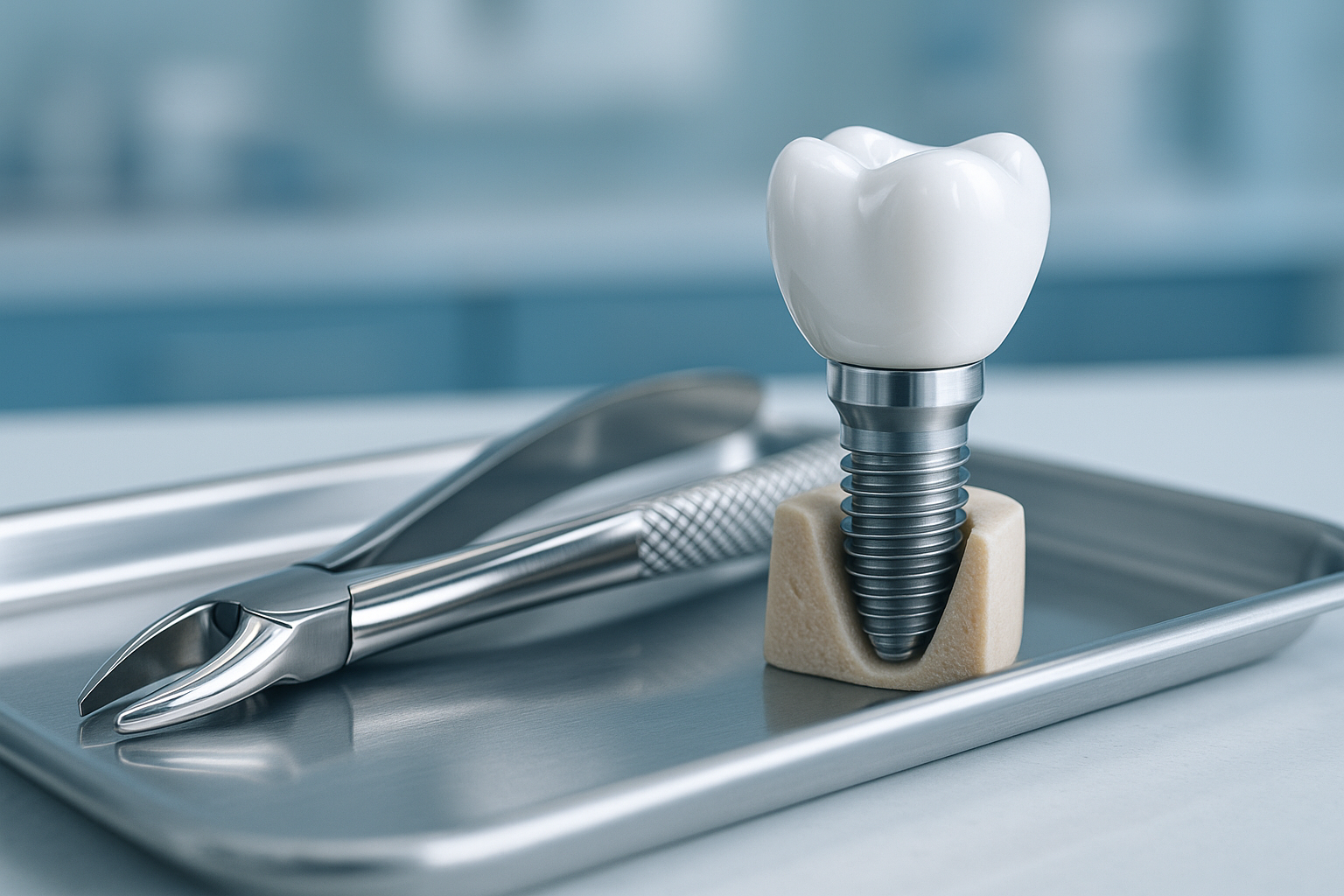
What Does an Oral and Maxillofacial Surgeon Do?
Exploring a Career as an Oral Surgeon in the USA begins with understanding the actual patient mix. An OMS may remove wisdom teeth, treat impacted teeth, place implants, perform bone grafting, biopsy suspicious lesions, repair facial fractures, reconstruct jaws, and complete orthognathic surgery that corrects severe bite and skeletal problems. Some surgeons also treat temporomandibular joint disorders, cleft and craniofacial conditions, pathology, head-and-neck defects, and complex infections.
Exploring a Career as an Oral Surgeon in the USA can lead to very different days. A private-office schedule may include consultations, six sedation cases, and postoperative checks; a hospital surgeon may begin in the operating room at 7:00 a.m., respond to trauma overnight, and coordinate with emergency physicians, anesthesiologists, and plastic surgeons.
Consider two referrals. An impacted mandibular third molar usually requires imaging, risk assessment for the inferior alveolar nerve, consent, anesthesia planning, extraction, and follow-up. A motor-vehicle collision may require airway evaluation, multiple facial fracture repairs, CT review, admission, and coordination with neurosurgery or ophthalmology.
A general dentist provides broad preventive and restorative care. An orthodontist moves teeth, a periodontist treats supporting tissues and implants, an endodontist treats dental pulp, and a plastic surgeon focuses on broader reconstructive and cosmetic procedures. OMS training overlaps with all of these areas but uniquely combines dental expertise, facial surgery, and—depending on the program—medical and hospital training.
Based on our analysis, the referral relationships matter as much as technical skill. General dentists often refer difficult extractions and implants, while emergency departments and trauma centers refer fractures, infections, and airway concerns.
Education and Training: The Complete U.S. Pathway
Exploring a Career as an Oral Surgeon in the USA normally follows a long, sequential pathway: undergraduate study or prerequisite courses, the Dental Admission Test (DAT), dental school, a DDS or DMD, OMS residency, state licensure, and optional fellowship or board certification. Common prerequisites include biology, general chemistry, organic chemistry, physics, English, and biochemistry, but every dental school sets its own rules.
Exploring a Career as an Oral Surgeon in the USA requires careful program research because residency models differ. A 4-year program provides dental-focused surgical training. A 6-year program generally adds medical school and an MD, while an 8-year structure combines medical education with extended surgical training. Training may include anesthesia, emergency medicine, general surgery, oral pathology, trauma, and inpatient care.
The American Dental Association administers the DAT, and CODA publishes accreditation standards. The American Association of Oral and Maxillofacial Surgeons explains specialty training and career expectations. Before applying, examine grades, DAT performance, research, clinical experience, letters, leadership, externships, and interview readiness.
A realistic timeline is approximately years of college, years of dental school, and 4–8 years of residency. The ADA’s education resources and your state licensing board should be checked in because admission, examination, and licensure rules can change.
How to Become an Oral Surgeon: A 7-Step Checklist
Exploring a Career as an Oral Surgeon in the USA becomes manageable when you turn the ambition into checkpoints. Exploring a Career as an Oral Surgeon in the USA should begin with evidence that you understand the work, not simply enthusiasm for its earning potential.
- Complete prerequisites. Build a strong academic record in biology, chemistry, physics, English, and biochemistry. Review requirements for at least target dental schools.
- Gain exposure. Shadow general dentists and OMSs, volunteer in a hospital, observe the operating room, and ask surgeons about call, complications, and debt.
- Prepare for the DAT. Study biology, general and organic chemistry, perceptual ability, reading comprehension, and quantitative reasoning. Schedule a diagnostic test before creating a 12-week plan.
- Apply through ADEA AADSAS. The American Dental Education Association’s application service requires accurate transcripts, experiences, essays, and references.
- Earn a DDS or DMD. Pursue surgical rotations, externships, research, teaching, and leadership. Keep a record of procedures and faculty feedback.
- Apply to residency. Use the Postdoctoral Dental Matching Program when applicable, and verify each CODA-accredited program’s requirements, structure, and culture.
- Complete licensure and development. Obtain state licensure, hospital credentialing, continuing education, and, if appropriate, American Board of Oral and Maxillofacial Surgery certification.
Use decision checkpoints: after shadowing, can you describe a full OMS workday; before dental school, can you explain the debt plan; before residency applications, do your grades, recommendations, research, and surgical exposure support a competitive application?
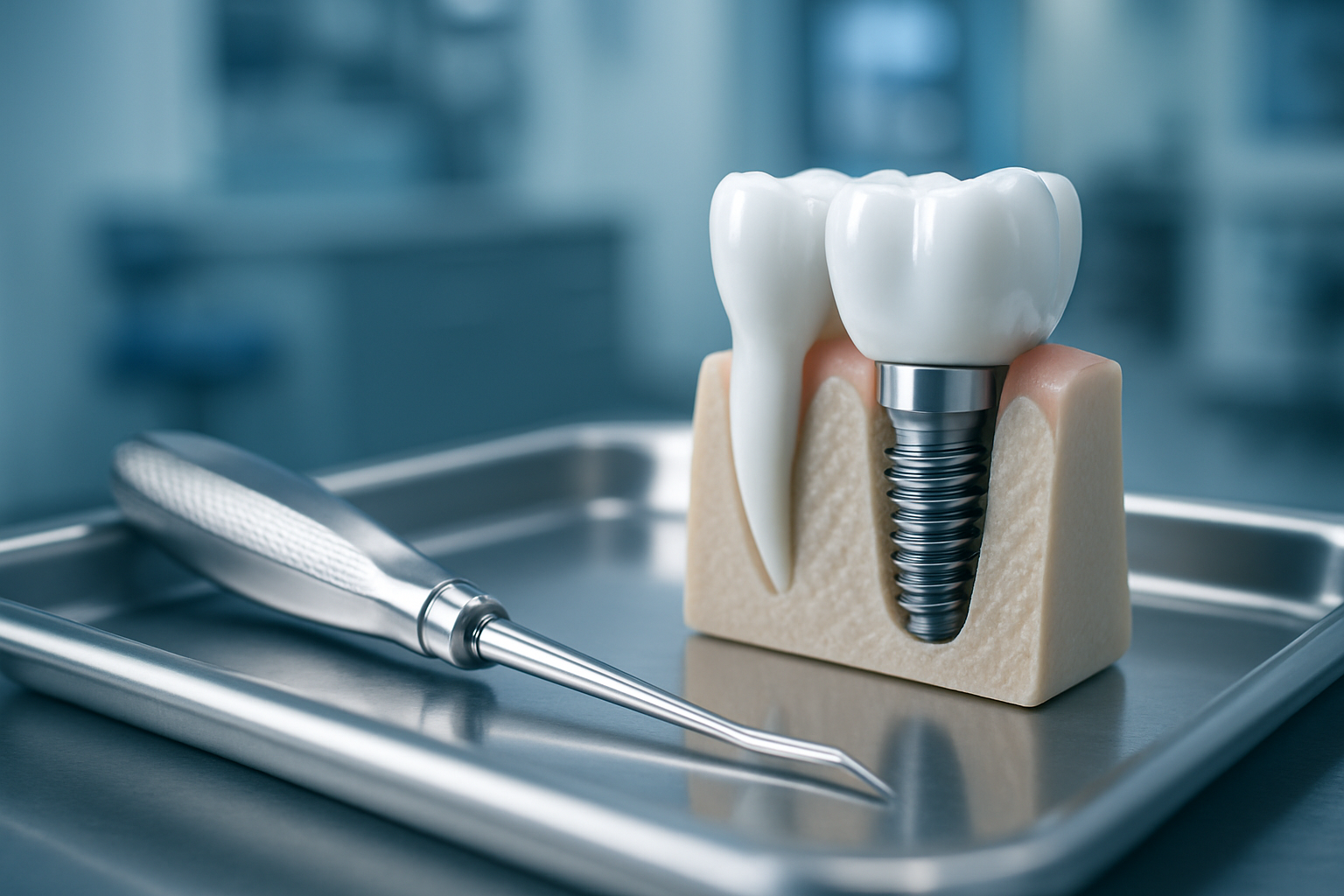
How Much Does an Oral Surgeon Earn in the USA?
Exploring a Career as an Oral Surgeon in the USA does not produce one universal salary. Region, years of experience, procedure mix, ownership, hospital affiliation, call responsibility, and employment model all change the result. The U.S. Bureau of Labor Statistics reported a median annual wage of $170,910 for dentists overall in May 2023, but that figure is not a precise OMS private-practice income measure. Job postings may show base wages, while owners receive production and business profit.
Exploring a Career as an Oral Surgeon in the USA should involve comparing total compensation. Ask about base salary, production incentives, signing bonus, retirement contributions, malpractice insurance, continuing education, paid leave, health coverage, relocation assistance, and call pay. A $250,000 employed offer may be less valuable than a $220,000 offer with stronger retirement contributions, loan assistance, and no uncompensated weekend call.
Illustrative—not universal calculation: from a $250,000 salary, assume 30% for federal, state, and payroll taxes ($75,000), $12,000 for insurance, $45,000 for loan payments, and $60,000 for living costs. Approximately $58,000 remains for savings and discretionary spending. Actual results vary by filing status, state, debt balance, interest rate, and benefits.
Dental education debt can exceed $293,000 for many graduates, according to recent dental education reporting, and four to eight additional residency years create opportunity cost. Early employed work can provide mentorship; later options include partnership, ownership, academia, military service, and hospital practice. We recommend evaluating five-year net worth, not just first-year salary.
Lifestyle, Stress, and Daily Work in Oral Surgery
Exploring a Career as an Oral Surgeon in the USA includes realities applicants often underestimate: early operating-room starts, emergency call, physically demanding procedures, patient fear, surgical complications, and extensive documentation. A surgeon may relieve severe pain in the morning and manage a complex facial injury overnight. That variation is rewarding, but it can disrupt sleep and family plans.
Exploring a Career as an Oral Surgeon in the USA looks different by setting. A private office may operate four clinical days each week with one administrative day and limited call. A hospital OMS may cover weekend trauma, urgent infections, and airway emergencies. Academic surgeons often balance patients with teaching and research, while military practice may offer structured employment but relocation and service obligations.
Career sustainability improves when you delegate appropriately, employ trained surgical assistants, use standardized consent processes, schedule recovery after call, and maintain clear referral protocols. For example, a four-day implant and dentoalveolar practice may protect evenings, whereas a trauma surgeon covering a regional hospital may have unpredictable nights and weekend admissions.
Professional rewards are concrete: rapid pain relief, restored chewing and speech, treatment of spreading infections, and reconstruction after facial injury. Studies from the CDC have repeatedly emphasized the scale of oral-health disease, with untreated cavities affecting roughly in adults in U.S. national surveillance. We found that surgeons who design call coverage deliberately report a more sustainable career than those who treat availability as an unlimited obligation.
Costs, Competition, and Common Career Risks
Exploring a Career as an Oral Surgeon in the USA requires a full cost estimate. Add undergraduate tuition, dental-school tuition, application fees, DAT preparation, interviews, travel, board examinations, instruments, relocation, housing, and residency living costs. Dental school alone commonly involves four years of tuition and lost earnings; an 8-year OMS pathway adds four years compared with a standard dental degree.
Exploring a Career as an Oral Surgeon in the USA is competitive because programs have limited positions and seek applicants who can manage surgery, medicine, research, and pressure. Strengthen your profile through consistent grades, meaningful OMS shadowing, research productivity, strong recommendations, externships, leadership, and honest evidence of resilience. Avoid choosing the field solely for income, ignoring emergency medicine, applying without shadowing, or failing to investigate program culture.
Burnout risks include sleep disruption, perfectionism, exposure to trauma, difficult complications, and emotional responsibility for frightened patients. Use confidential employee assistance programs, residency wellness offices, peer support, licensed mental-health professionals, and emergency services when needed. Seeking help is a patient-safety practice, not a professional failure.
| Factor | Potential fit | Warning sign |
|---|---|---|
| Income | High long-term potential | Choosing only for money |
| Training | 12–16 years after high school | Dislike of delayed earnings |
| Procedures | Hands-on, technically demanding | Low tolerance for blood |
| Call | Meaningful trauma and emergency work | Need for predictable nights |
| Geography | Broad options in larger systems | Rigid location requirements |
Specialty Options and Career Settings After Residency
Exploring a Career as an Oral Surgeon in the USA can lead to general OMS practice or focused work in dentoalveolar surgery, implants, orthognathic surgery, trauma, pathology, anesthesia, cleft and craniofacial surgery, oncology, or temporomandibular joint care. Some surgeons maintain a broad referral base; others build a niche around difficult jaw deformities, facial reconstruction, or hospital trauma.
Exploring a Career as an Oral Surgeon in the USA may include a fellowship of roughly 1–2 years, depending on the area. Ask how much operative exposure fellows receive, whether research is expected, what case volume is available, and whether training affects hospital privileges or referral patterns. Fellowship is most valuable when it adds supervised cases and credentials that your intended practice actually needs.
Career settings include private and group practice, academic faculty positions, hospital trauma services, community health systems, military service, and public-sector care. Board certification through the American Board of Oral and Maxillofacial Surgery can demonstrate examination and professional standards, but you must still follow state scope-of-practice rules, hospital privilege requirements, and continuing-education obligations.
For example, an orthognathic surgeon may create a referral network with orthodontists who identify skeletal discrepancies. A trauma-focused surgeon may work mainly with emergency departments, trauma coordinators, radiologists, and hospitals. The clinical cases you pursue during residency often shape those future relationships.
How Technology and Patient Expectations Are Changing the Specialty
Exploring a Career as an Oral Surgeon in the USA now includes evaluating digital capability. Three-dimensional cone-beam computed tomography, intraoral scanning, virtual treatment planning, patient-specific implants, navigation, and digitally guided implant placement can improve planning for complex anatomy. A surgeon may combine a CBCT scan and digital model to design an implant guide before the patient arrives.
Exploring a Career as an Oral Surgeon in the USA should not be reduced to buying expensive equipment. Radiation exposure must be justified, systems require training and maintenance, data security matters, and digital plans can differ from operative findings. A guide cannot replace tactile judgment, anatomical knowledge, or the ability to change course safely. Equipment costs can reach tens or hundreds of thousands of dollars depending on the complete imaging and laboratory setup.
Telehealth can support preoperative conversations, postoperative check-ins, triage, and communication with referring dentists, but surgery still requires in-person examination and appropriate imaging. Artificial intelligence may assist with image interpretation, scheduling, documentation, and risk assessment; it must remain an aid under licensed clinical judgment.
When comparing residencies in 2026, ask whether programs provide meaningful exposure to digital workflows, simulation, quality improvement, cybersecurity, and interdisciplinary care. We recommend asking for examples of how residents respond when a digital plan fails to match actual anatomy.
How to Decide Whether Oral Surgery Fits Your Goals
Exploring a Career as an Oral Surgeon in the USA deserves a personal fit test. Assess your manual dexterity, interest in anatomy and physiology, tolerance for blood and emergencies, communication skills, patience with anxious patients, stamina, and willingness to train 12–16 years after high school. Interview at least three OMS professionals in different settings and ask about call, income structure, complications, referral sources, debt, schedule, and what they would change.
Exploring a Career as an Oral Surgeon in the USA should follow practical observation. Shadow general dentistry, oral surgery, anesthesia, emergency medicine, and another procedural specialty. Record what you observed, including patient interaction, documentation, downtime, call, and team communication—not just the most dramatic operation.
| Career | Procedural intensity | Typical relationship and schedule |
|---|---|---|
| OMS | High; office and hospital surgery | Moderate to high call |
| General dentistry | Moderate | Broad continuity; often predictable |
| Orthodontics | Lower surgery; appliance-based | Planned visits and long relationships |
| Periodontics | Moderate to high surgical care | Implants and tissue support |
| Endodontics | Focused procedures | Usually scheduled and referral-based |
| Plastic surgery | High; broader reconstruction | Long training and variable call |
| Emergency medicine | High decision intensity | Shift work and substantial nights |
Verify requirements directly with dental schools, CODA, state dental boards, AAOMS, and residency programs. Admissions standards and licensure rules change, so a conversation from may not accurately describe 2026.
Conclusion: Your Next Days Toward Oral Surgery
Exploring a Career as an Oral Surgeon in the USA should end with action, not passive research. During the next days, identify prerequisite gaps, schedule at least three shadowing experiences, contact two OMS practices, review dental-school requirements, and create an academic improvement plan. Exploring a Career as an Oral Surgeon in the USA is strongest when your decision reflects firsthand observation and verified program information.
- Days 1–30: Build a spreadsheet covering prerequisites, DAT expectations, tuition, location, clinical opportunities, residency structure, and graduate outcomes for dental schools.
- Days 31–60: Shadow general dentistry and OMS, interview three surgeons, and write down call schedules, income models, complications, debt, and lifestyle differences.
- Days 61–90: Meet with family or a financial adviser about tuition, borrowing, delayed earnings, relocation, repayment strategies, and emergency savings.
Then make a clear decision. Pursue dental-school preparation if the clinical work and training demands fit your abilities and priorities. Explore orthodontics, periodontics, endodontics, general dentistry, plastic surgery, or emergency medicine if surgery, call, or education length conflicts with your goals.
Our research shows that salary figures are only one part of the decision. The strongest plan combines observation, current requirements, realistic finances, and an honest answer to one question: do you want the responsibility of helping patients through difficult facial and oral problems badly enough to train for it?
Key Takeaways
- OMS training usually requires years of college, years of dental school, and 4–8 years of residency.
- Compensation depends on ownership, procedure mix, region, call, benefits, and debt—not salary alone.
- Shadow multiple surgeons and settings before committing to the specialty.
- Compare residency culture, hospital exposure, digital training, mentorship, and graduate outcomes.
- Use the next days to verify prerequisites, build clinical exposure, and create a realistic financial plan.
Frequently Asked Questions
How long does it take to become an oral surgeon in the USA?
Most oral and maxillofacial surgery pathways require approximately years of college, years of dental school, and to years of residency. That means you may spend to years in education after high school before independent practice.
What is the difference between 4-year, 6-year, and 8-year oral surgery residencies?
A 4-year residency focuses on dental and surgical training, while a 6-year program generally includes medical school and an MD. Eight-year pathways add medical education and longer surgical training, often for highly complex hospital-based practice.
How much does an oral and maxillofacial surgeon earn?
Compensation varies by location, procedure volume, ownership status, call duties, and benefits. The U.S. Bureau of Labor Statistics reports wage data for dentists overall rather than a perfectly separate OMS category, so private-practice income and total compensation can differ substantially from published salary figures.
Is oral and maxillofacial surgery difficult to get into?
Yes. Most applicants complete prerequisite science courses, take the DAT, earn a DDS or DMD, and then apply to a CODA-accredited residency. Strong grades, surgical exposure, research, recommendations, and a well-informed interview strategy can materially improve your preparation.
Is oral surgery a good career for someone who wants work-life balance?
Oral surgery may suit you if you enjoy anatomy, hands-on procedures, high-stakes decision-making, and measurable patient recovery. You also need stamina for early starts, emergency call, anxious patients, complications, and many years of training.
What should you do before Exploring a Career as an Oral Surgeon in the USA?
Exploring a Career as an Oral Surgeon in the USA requires more than comparing salary figures. You should shadow in multiple settings, verify current school and licensing requirements, speak with at least three practicing surgeons, and build a realistic plan for tuition, debt, relocation, and delayed earnings.
