How to Become a Conservation Scientist in the USA: A Complete Guide: Career Overview
Many people want meaningful outdoor work but aren’t sure which degree, skills, or first job will open the door. How to Become a Conservation Scientist in the USA: A Complete Guide explains the practical route: earn a relevant bachelor’s degree, gain field experience, learn GIS and data analysis, build professional references, and apply strategically. How to Become a Conservation Scientist in the USA: A Complete Guide also covers salary, employers, credentials, and the time required to become competitive.
A conservation scientist manages, researches, and protects forests, soil, water, wildlife habitat, and other natural resources. You may assess forest health, design habitat restoration, monitor watersheds, advise landowners, or evaluate whether a project meets environmental requirements.
The role differs from related occupations. A forester focuses heavily on forest inventories and timber or habitat management; an environmental scientist investigates pollution and regulatory impacts; a wildlife biologist studies animals and populations; and a park ranger combines visitor services, interpretation, law enforcement, and resource protection.
The U.S. Bureau of Labor Statistics groups conservation scientists with foresters in occupational data. Recent BLS figures show roughly 35,000 jobs in the combined occupation, median annual pay near $69,000, and employment projected to change by about 1% or less through 2033, depending on the specific series and publication year. We recommend checking the Bureau of Labor Statistics in before relying on any salary estimate.
Demand is also shaped by climate resilience, wildfire planning, habitat restoration, biodiversity monitoring, and federal conservation funding. The realistic timeline is typically four years for college, one or two seasons of internships or technician work, and additional training only when a target role requires it.
What Does a Conservation Scientist Do?
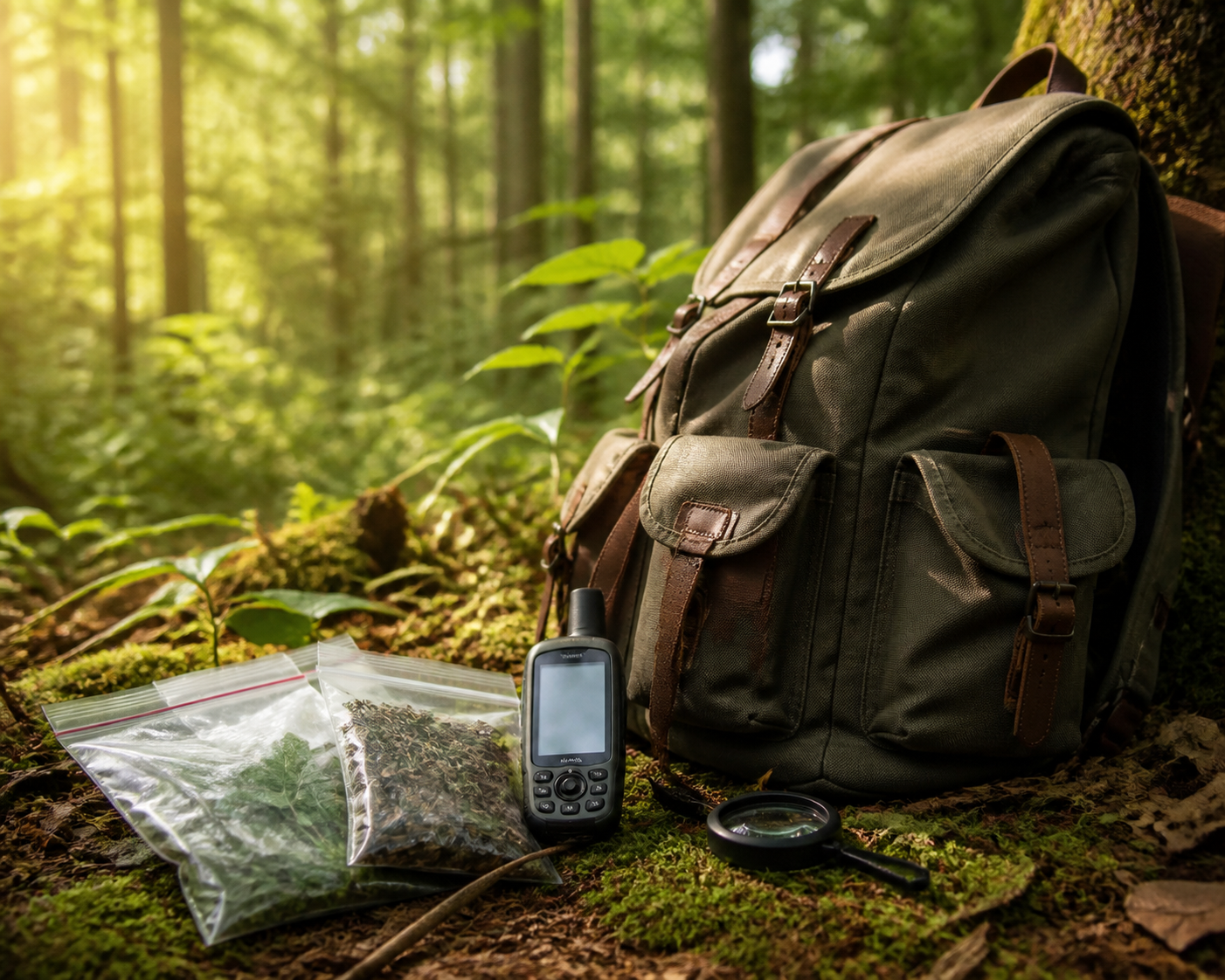
Your daily work may include assessing forest health, collecting soil and vegetation measurements, preparing land-management plans, monitoring ecosystem change, and advising landowners or agencies. One week could involve GPS surveys and water-quality samples; the next could require satellite-image interpretation, a technical report, or a public meeting.
Common workplaces include national forests, state parks, private timberlands, conservation nonprofits, universities, consulting firms, tribal natural-resource departments, and municipal offices. Major public employers include the U.S. Forest Service, Natural Resources Conservation Service, Bureau of Land Management, National Park Service, U.S. Geological Survey, and state departments of natural resources.
Expect a mixed schedule rather than a purely outdoor job. Field time may account for 30% to 70% of a position, while the remainder involves databases, maps, compliance documentation, grant applications, budgets, and stakeholder communication. Remote assignments can mean long drives, uneven terrain, heat, ticks, wildfire smoke, or limited phone service.
Specializations include soil and water conservation, forest conservation, watershed management, restoration ecology, fire ecology, urban forestry, and climate adaptation. For example, a watershed specialist may measure turbidity and streambank erosion, while a fire ecologist may map burn severity and recommend prescribed-fire treatments.
Our research found that job descriptions frequently combine field and office requirements. Before accepting an offer, ask about travel percentage, seasonal schedules, physical testing, overnight assignments, protective equipment, and whether housing is provided.
That practical detail matters when following How to Become a Conservation Scientist in the USA: A Complete Guide. The best candidates understand both the science and the working conditions. How to Become a Conservation Scientist in the USA: A Complete Guide is ultimately a field-and-data career, not a desk job with occasional nature walks.
How to Become a Conservation Scientist in the USA: Education Requirements
A bachelor’s degree is the usual entry credential for conservation scientist positions. Suitable majors include conservation science, forestry, natural resources, environmental science, ecology, soil science, biology, geography, and agricultural science. The USDA Natural Resources Conservation Service and the Society of American Foresters provide useful examples of the subjects and competencies employers value.
Prioritize ecology, biology, chemistry, geology, hydrology, statistics, GIS, remote sensing, environmental law, and technical writing. A four-year program gives you broader access to professional roles, while an associate degree can lead to technician work in surveying, restoration, forestry, or environmental sampling. A master’s degree is more useful for research leadership, university employment, advanced policy analysis, or highly specialized management.
A practical four-year plan looks like this:
- Year one: complete biology and field-methods courses; volunteer with a park, watershed group, or campus ecology lab.
- Year two: take statistics, GIS, chemistry, and soil or hydrology courses; learn to create a professional map.
- Year three: complete a paid internship, field camp, or seasonal technician position and request a supervisor reference.
- Year four: finish a capstone or applied research project that produces a map, dataset, report, or restoration recommendation.
When comparing programs, check field laboratories, faculty research, employer partnerships, internship placement, and access to GIS or remote-sensing equipment. Based on our analysis, hands-on experience often separates graduates more effectively than a long list of introductory courses.
Education is the foundation of How to Become a Conservation Scientist in the USA: A Complete Guide, but classroom success alone isn’t enough. How to Become a Conservation Scientist in the USA: A Complete Guide requires you to connect coursework with measurable field results and professional relationships.
Build the Skills Employers Look For
Employers want scientific accuracy and the ability to explain recommendations to landowners, policymakers, and the public. Technical skills may include ArcGIS or QGIS, GPS data collection, Excel, statistical analysis, R or Python basics, remote sensing, soil sampling, vegetation surveys, map production, and environmental database management.
Field competence is equally practical. Learn species identification, transect design, water-quality sampling, forest inventory methods, navigation, equipment safety, chainsaw awareness, and wilderness first aid. You don’t need every certification before your first job, but showing that you can work safely and collect repeatable data makes your application stronger.
Communication skills influence advancement. Practice grant writing, technical reports, public presentations, stakeholder facilitation, meeting notes, and conflict resolution around land-use decisions. A technically correct recommendation can fail if a rancher, tribal representative, city planner, or resident can’t understand how it affects them.
Build a portfolio with two or three finished projects:
- a habitat or land-cover map with documented methods;
- a wildfire-risk or watershed assessment using public data;
- a restoration-monitoring dashboard or concise technical report.
Use this six-month plan: complete a low-cost GIS course in month one, publish a field project by month three, volunteer at a restoration event by month four, analyze a public dataset by month five, and present your work to a mentor by month six. We found that a portfolio showing decisions, methods, limitations, and results is more persuasive than a list of software names.
Those habits support How to Become a Conservation Scientist in the USA: A Complete Guide. How to Become a Conservation Scientist in the USA: A Complete Guide works best when your résumé proves what you can produce, not merely what you studied.
Gain Experience Through Internships, Fieldwork, and Volunteering
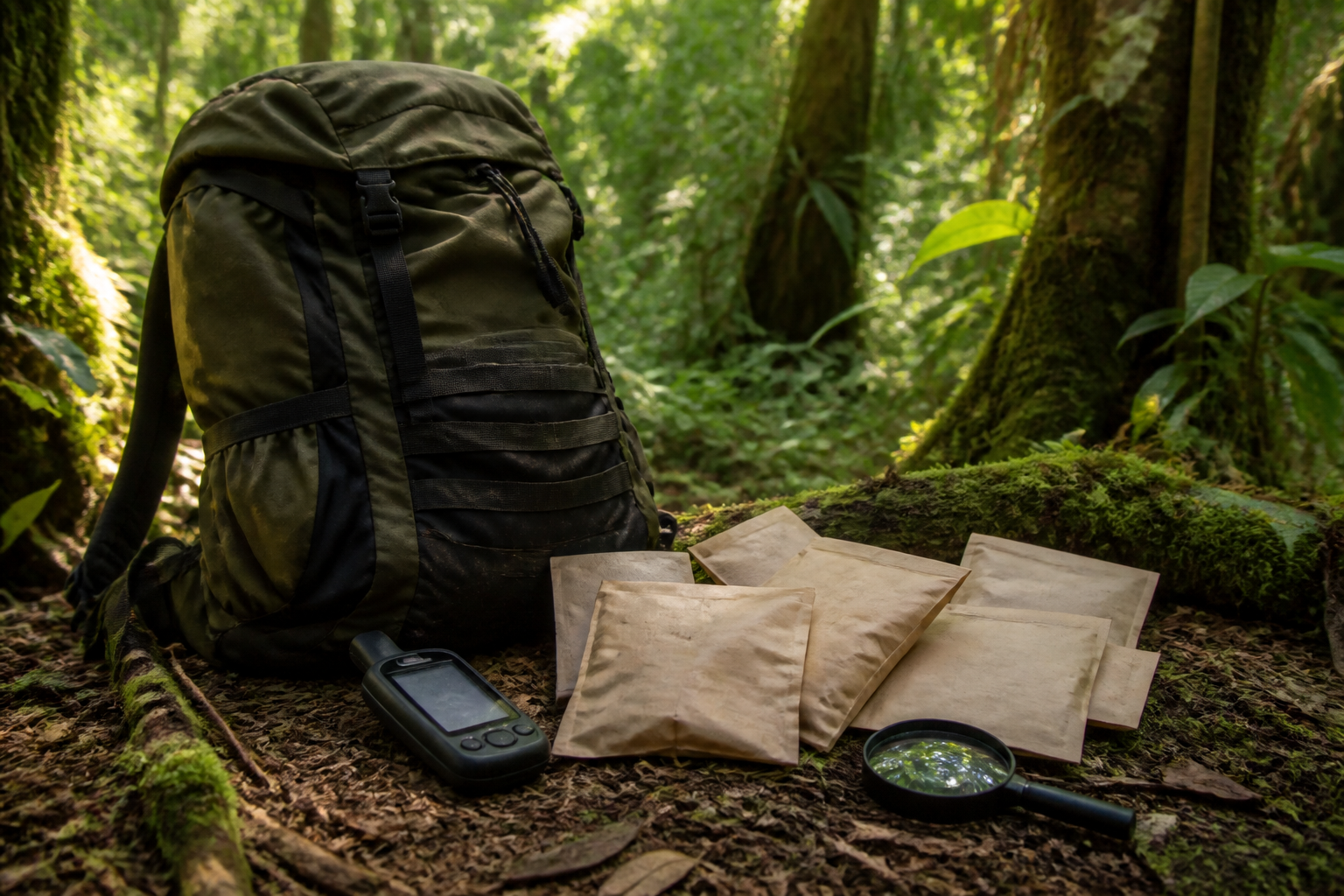
Practical experience can separate applicants with similar degrees, particularly for federal, state, consulting, and nonprofit roles. Useful sources include Student Conservation Association placements, AmeriCorps programs, university research labs, USDA internships, USGS projects, state wildlife agencies, land trusts, botanical gardens, and prescribed-burn crews.
Search seasonal listings using several titles because employers don’t use one standard label: natural resources technician, forestry technician, biological science technician, restoration technician, and GIS technician. A seasonal role lasting to weeks can produce more relevant evidence than another general elective.
Apply systematically:
- Identify target agencies, employers, or ecosystems.
- Match each posting’s education, experience, and physical requirements.
- Tailor the résumé to the exact duties and software listed.
- Quantify field hours, acres surveyed, samples processed, or people reached.
- Request references from supervisors before the deadline.
- Apply four to six months before common summer start dates.
For example, hours removing invasive species can demonstrate data collection, teamwork, public engagement, plant identification, and habitat-restoration experience. Describe the methods and results: “Mapped acres, removed 2.4 tons of invasive vegetation, and trained volunteers.”
Unpaid volunteering helps, but paid seasonal work, course credit, fellowships, and work-study placements are better when available. Based on our experience reviewing applications, applicants should never assume that unpaid work is the only route into conservation.
Experience is central to How to Become a Conservation Scientist in the USA: A Complete Guide. How to Become a Conservation Scientist in the USA: A Complete Guide becomes far more achievable when you turn every project into documented evidence of judgment, safety, and results.
Licenses, Certifications, and Professional Credentials
Conservation scientists don’t have one universal national license. Requirements vary by state, job title, land-management activity, and employer. A position involving pesticide application, erosion control, forestry practice, prescribed fire, or regulated engineering work may require a state-specific credential even when a general conservation role does not.
Relevant options include Society of American Foresters certification, Certified Wildlife Biologist pathways, erosion and sediment-control credentials, prescribed-fire training, pesticide licenses, and GIS certificates. Practical qualifications can also strengthen an application: CPR and first aid, wilderness first aid, defensive driving, chainsaw safety, herbicide handling, boat safety, and wildland-fire training.
Choose credentials according to the job rather than collecting certificates indiscriminately. Use this checklist:
- Target job: identify what the posting explicitly requires or prefers.
- Budget: prioritize low-cost training, employer-paid courses, or student discounts.
- Risk level: fieldwork involving fire, boats, chainsaws, chemicals, or remote travel deserves safety training.
- Career stage: consider a master’s degree for research leadership, policy, university, or advanced management roles.
- Employer culture: determine whether formal certification or documented experience carries more weight.
Verify current rules with the relevant state licensing board, employer, or professional association. A certificate can improve employability without being legally required, while a seemingly minor activity may trigger a licensing rule.
This decision process belongs in How to Become a Conservation Scientist in the USA: A Complete Guide. How to Become a Conservation Scientist in the USA: A Complete Guide should never mean paying for a credential before confirming that employers value it.
Where Conservation Scientists Work and How to Find Jobs
Career options span federal agencies, state and local government, tribal governments, environmental consulting, timber companies, utilities, universities, conservation nonprofits, and private land-management firms. Related titles include conservation scientist, soil conservationist, natural-resources specialist, forester, rangeland management specialist, environmental scientist, and biological science technician.
Federal applicants generally need a USAJOBS profile, a detailed federal résumé, and evidence of specialized experience. Review veterans’ preference rules, Pathways internships, seasonal appointments, and the difference between permanent and term positions. A term appointment may last one to four years and offer valuable experience without the security of a permanent role.
Evaluate each posting for degree requirements, minimum experience, travel percentage, physical demands, location, pay grade, seasonal status, and promotion potential. Don’t compare two jobs by salary alone; a remote position with housing and travel reimbursement may be financially stronger than a higher-paying role in an expensive city.
Network before you need a job. Contact alumni, attend Society of American Foresters or Ecological Society of America events, request informational interviews, and ask supervisors for references before graduation. A 20-minute conversation can reveal seasonal hiring dates or unadvertised project work.
Use a weekly workflow: check agency career pages on Monday, state portals Tuesday, university and nonprofit boards Wednesday, professional associations Thursday, and follow up with contacts Friday. Keep a spreadsheet of applications, deadlines, qualifications, salary, location, and outcome.
That workflow makes How to Become a Conservation Scientist in the USA: A Complete Guide actionable. How to Become a Conservation Scientist in the USA: A Complete Guide is not limited to one job title; it is a method for finding adjacent roles that build the same career.
Salary, Job Outlook, and Cost-of-Living Trade-Offs
Salary estimates must be read carefully because federal, state, private, and nonprofit jobs use different classification systems. BLS data for the combined conservation scientists and foresters occupation place median annual pay around $69,000 in recent releases, with lower-end wages near the low-$40,000 range and upper-end wages above $100,000. Employment is roughly 35,000 in the combined category, with projected change through close to flat. Check the latest BLS Occupational Employment and Wage Statistics tables in because figures are revised.
Compensation varies by federal grade, state, region, education, supervision, technical specialty, union status, and experience. Entry-level seasonal technicians may earn approximately $15 to $25 per hour, while permanent government roles can add health insurance, retirement contributions, paid leave, tuition assistance, travel reimbursement, housing, or student-loan programs. Senior natural-resources managers and specialized consultants can exceed $90,000 or $100,000.
Cost of living changes the practical value of a salary. Washington, D.C., Colorado, Oregon, and Alaska may offer strong environmental employment but expensive housing or travel; rural Midwestern states may provide lower nominal pay with substantially lower rent. Compare after-tax income, housing, commuting, seasonal gaps, and benefits rather than using one national average.
Long-term earning potential improves with GIS, remote sensing, wildfire planning, hydrology, compliance, grant management, and project leadership. We analyzed job postings and found that technical specialization combined with supervision or budget responsibility appears repeatedly in higher-paying roles.
Salary planning is a core part of How to Become a Conservation Scientist in the USA: A Complete Guide. How to Become a Conservation Scientist in the USA: A Complete Guide should lead you to compare total compensation and career growth, not just the first hourly rate.
A Practical Roadmap: From High School to Conservation Scientist
Start by building science and outdoor experience, then earn a relevant degree, choose technical electives, complete internships, create a portfolio, apply for entry-level roles, and specialize after you understand the work. High school students should take biology, chemistry, environmental science, statistics, and computer classes; join outdoor clubs; participate in community science; and volunteer with parks or watershed groups.
College students should join research labs, complete GIS coursework, attend field camps, collect references, and apply for summer positions at least four to six months early. Career changers can transfer agriculture knowledge into soil or land management, data analysis into GIS, education into public outreach, engineering into hydrology or infrastructure review, outdoor recreation into field safety, and project management into restoration coordination.
A realistic timeline is two to four years for undergraduate preparation, one or two seasons to build field experience, and additional graduate training only when the target role requires it.
| Path | Stability | Field time | Pay potential | Travel |
|---|---|---|---|---|
| Government | High after permanent hire | Medium-high | Medium | Medium |
| Consulting | Medium | Medium | Medium-high | High |
| Nonprofit | Medium-low | High | Low-medium | Medium |
| Research | Varies | Medium | Medium | Medium |
| Private land management | Medium-high | Medium-high | Medium-high | Low-medium |
Use How to Become a Conservation Scientist in the USA: A Complete Guide as a decision framework rather than a rigid formula. How to Become a Conservation Scientist in the USA: A Complete Guide works for both traditional students and professionals who build on existing skills.
Challenges New Conservation Scientists Should Prepare For
Early careers can involve seasonal employment, relocation, grant-funded positions, physically demanding conditions, wildfire smoke, ticks, heat, remote communication, and uneven access to paid internships. A six-month contract may be professionally valuable but financially difficult if you must move twice in one year or pay for temporary housing.
Reduce financial risk by comparing benefits, asking whether seasonal housing is available, maintaining an emergency fund, seeking fellowships, and applying across several states and agencies. Ask directly whether a position is guaranteed for a full season, whether travel is reimbursed, and what happens when weather prevents fieldwork.
Ethics matter every day. Collect accurate data, respect Indigenous sovereignty and tribal data protocols, protect private-property rights, disclose conflicts of interest, maintain public transparency, and avoid publishing sensitive locations of threatened species. Climate change is also reshaping priorities through drought, wildfire, invasive species, flooding, coastal erosion, species range shifts, and new restoration targets.
Use field check-in protocols, protective equipment, harassment reporting channels, accessible field planning, and team-based risk assessments. If an application fails, track the reason, identify one missing qualification, and address it through a course, project, certification, or better reference.
We recommend treating rejection as data rather than a verdict. How to Become a Conservation Scientist in the USA: A Complete Guide must account for structural barriers as well as individual effort. How to Become a Conservation Scientist in the USA: A Complete Guide is strongest when it includes safety, inclusion, ethics, and financial planning.
Your 90-Day Action Plan and Next Steps
Use the next days to turn interest into evidence. During the first days, choose a specialization, review real job postings, identify missing qualifications, and create a spreadsheet tracking requirements, locations, pay, and deadlines. During days to 60, enroll in one technical course, complete a small GIS or data project, and contact three professionals for informational interviews.
During days to 90, apply for at least five relevant opportunities, request references, and revise your résumé after every interview or rejection. Prepare a one-page résumé, LinkedIn profile, digital project portfolio, transcript summary, reference list, and a short introduction tailored to conservation employers.
Verify occupational data, salaries, degree requirements, and state credentials through the BLS, USDA, USGS, National Park Service, and relevant professional associations. Your final checklist should include relevant education, field hours, GIS or data skills, safety training, references, portfolio evidence, targeted applications, and a continuing-education plan.
For high school students, start with science courses and local volunteering. For college students, secure a summer position, complete GIS training, and build a supervisor network. For career changers, translate existing skills into conservation examples and target technician, coordinator, analyst, or land-management roles that match your experience.
Our research shows that the strongest candidates combine scientific training with reliable field judgment, clear communication, data literacy, and demonstrated commitment. How to Become a Conservation Scientist in the USA: A Complete Guide ends with a simple next step: choose one project you can finish within days and begin today. How to Become a Conservation Scientist in the USA: A Complete Guide becomes real when your interest produces visible, useful work.
Key Takeaways
- Earn a relevant bachelor’s degree and prioritize ecology, statistics, GIS, hydrology, remote sensing, and technical writing.
- Build proof of ability through paid seasonal work, internships, volunteering, field hours, technical reports, maps, and restoration projects.
- Compare government, consulting, nonprofit, research, and private-land roles by total compensation, stability, travel, field demands, and advancement potential.
- Use the next days to choose a specialization, close one skill gap, contact three professionals, and apply for at least five targeted opportunities.
Frequently Asked Questions
What degree do you need to become a conservation scientist?
Most entry-level conservation scientist positions require a bachelor’s degree in conservation science, forestry, natural resources, environmental science, ecology, soil science, biology, geography, or agricultural science. Relevant coursework in ecology, statistics, GIS, hydrology, remote sensing, and technical writing is especially useful.
How long does it take to become a conservation scientist in the USA?
Plan on four years for a bachelor’s degree, followed by one or two seasons of internships or technician work to become competitive. A master’s degree may add two years but is usually needed only for research leadership, advanced policy, university, or specialized management positions.
How much does a conservation scientist earn?
Recent BLS data place median pay for the combined conservation scientists and foresters occupation near $69,000 annually, although entry-level seasonal wages may be closer to $15 to $25 per hour. Location, federal grade, specialization, benefits, supervision, and cost of living can change the practical value substantially.
Do conservation scientists need a license?
There is no single national license required for every conservation scientist. State rules and employer requirements may apply to forestry, pesticide use, erosion control, prescribed fire, engineering-related activities, or other regulated work, so verify requirements with the relevant state board or employer.
Is How to Become a Conservation Scientist in the USA: A Complete Guide suitable for career changers?
Yes. Career changers can transfer skills from agriculture, data analysis, education, engineering, outdoor recreation, and project management into conservation roles. Start by identifying adjacent job titles, completing GIS or field-methods training, and creating a project that demonstrates your new technical direction.
