Introduction: Is Athletic Training the Right Career for You?
Athletic trainers are healthcare professionals, not simply fitness coaches standing on the sidelines. A Guide to Pursuing a Career as an Athletic Trainer in the USA is designed for you if you want to know how to enter the profession, how long preparation takes, and whether the work fits your strengths. You may spend one day managing a sprained ankle and the next coordinating emergency care for heat illness or a suspected concussion.
In this A Guide to Pursuing a Career as an Athletic Trainer in the USA, we explain the route from high-school preparation and undergraduate prerequisites to a Commission on Accreditation of Athletic Training Education (CAATE) program, Board of Certification (BOC) examination, state licensure, employment, and advancement. Based on our research in 2026, the profession offers options well beyond professional sports, including hospitals, schools, clinics, military units, and industry.
The U.S. Bureau of Labor Statistics, BOC, National Athletic Trainers’ Association (NATA), and CAATE are the organizations you should use to verify requirements. We found that the most reliable career decisions compare education cost, clinical quality, licensing rules, schedule, and total compensation—not salary alone.
What Does an Athletic Trainer Do? Roles, Responsibilities, and Work Settings
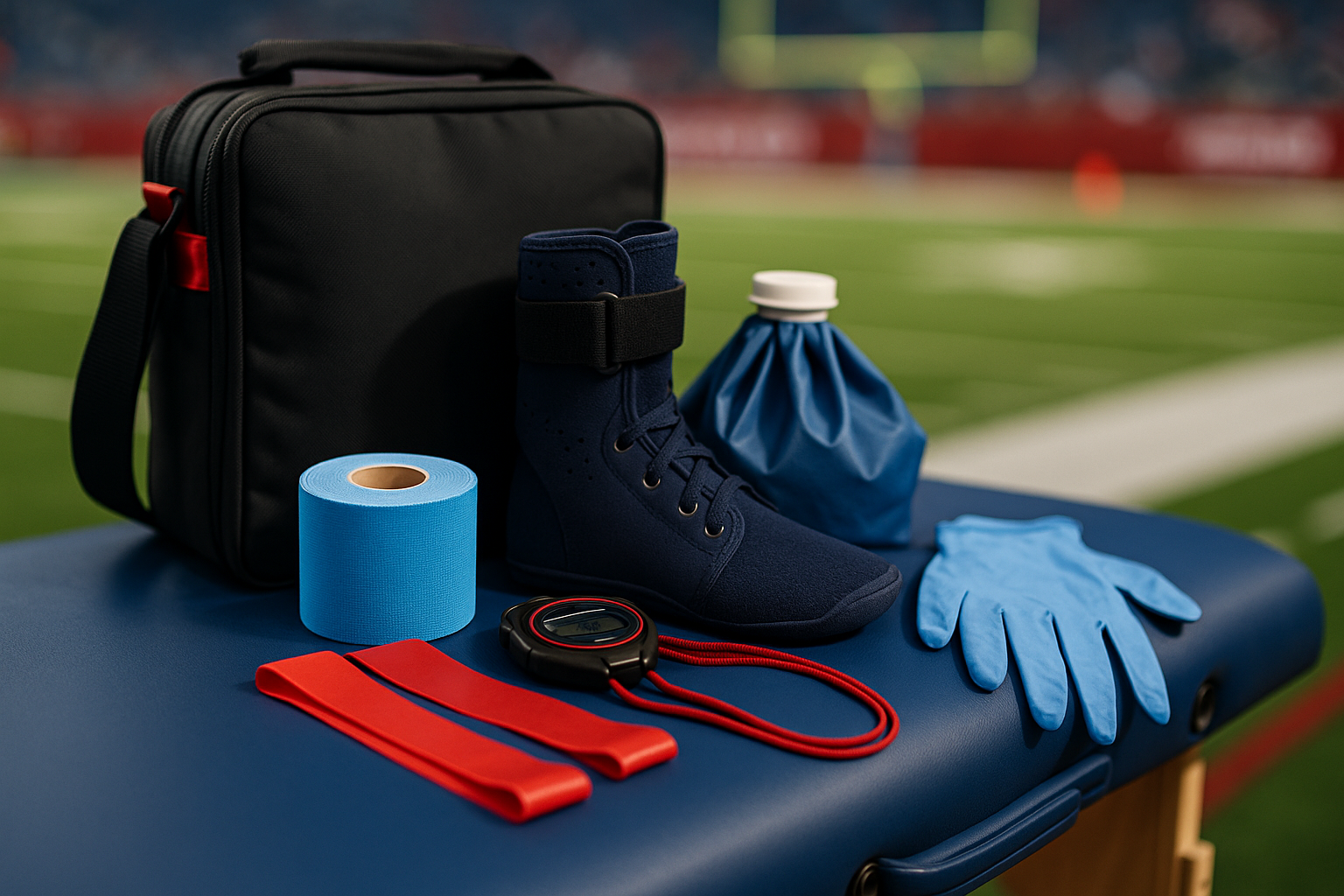
A Guide to Pursuing a Career as an Athletic Trainer in the USA starts with understanding the job itself. Athletic trainers prevent, assess, treat, and rehabilitate injuries and illnesses under established physician collaboration or direction. Their work can include injury evaluation, taping, bracing, wound care, therapeutic exercise, emergency response, concussion management, documentation, and return-to-play decisions.
Consider three real situations. At a high school, you might recognize heat illness, begin cooling procedures, activate emergency medical services, and document the handoff. At a college, you may apply a written concussion protocol, coordinate physician review, and restrict participation. In a factory, you could analyze lifting tasks and reduce repetitive-strain injuries before employees need medical treatment.
This role differs from a personal trainer, who generally provides fitness instruction; a physical therapist, who diagnoses and rehabilitates movement impairments through a separate professional education route; a sports medicine physician, who is a licensed doctor; and a strength coach, who develops performance programs. Athletic trainers may work in high schools, colleges, hospitals, outpatient clinics, physician practices, military units, performing arts organizations, and industrial workplaces. This A Guide to Pursuing a Career as an Athletic Trainer in the USA distinction matters when comparing scope of practice and patient responsibility.
How to Become an Athletic Trainer in the USA: The Step-by-Step Path
For most students, A Guide to Pursuing a Career as an Athletic Trainer in the USA follows six stages. First, complete prerequisite science and general education credits. Second, apply to a CAATE-accredited professional program. Third, complete supervised clinical education with varied patient populations. Fourth, graduate and apply for the BOC examination. Fifth, pass the exam and apply for state licensure. Finally, maintain certification and complete required continuing education.
- Verify prerequisites: compare biology, chemistry, anatomy, physiology, statistics, psychology, and observation requirements.
- Confirm accreditation: use CAATE’s program directory rather than relying on an old college brochure.
- Compare clinical training: ask where students treat patients and how many placements they complete.
- Plan certification: review BOC eligibility, application deadlines, testing windows, and official practice materials.
- Check state rules: contact the state athletic training board before accepting a job.
- Track renewal: record continuing education, CPR credentials, and renewal deadlines.
As of 2026, the entry-level professional degree is generally a master’s degree. A bachelor’s degree can prepare you academically, but it does not replace the required professional program. In our analysis, the traditional route is about four undergraduate years plus two graduate years, although prerequisites and clinical placements vary. CAATE accredits programs, BOC administers the national exam, NATA represents the profession, and state boards regulate practice. A second A Guide to Pursuing a Career as an Athletic Trainer in the USA checkpoint is simple: do not apply until every requirement is documented.
Education Requirements: High School, College, and Master’s Programs
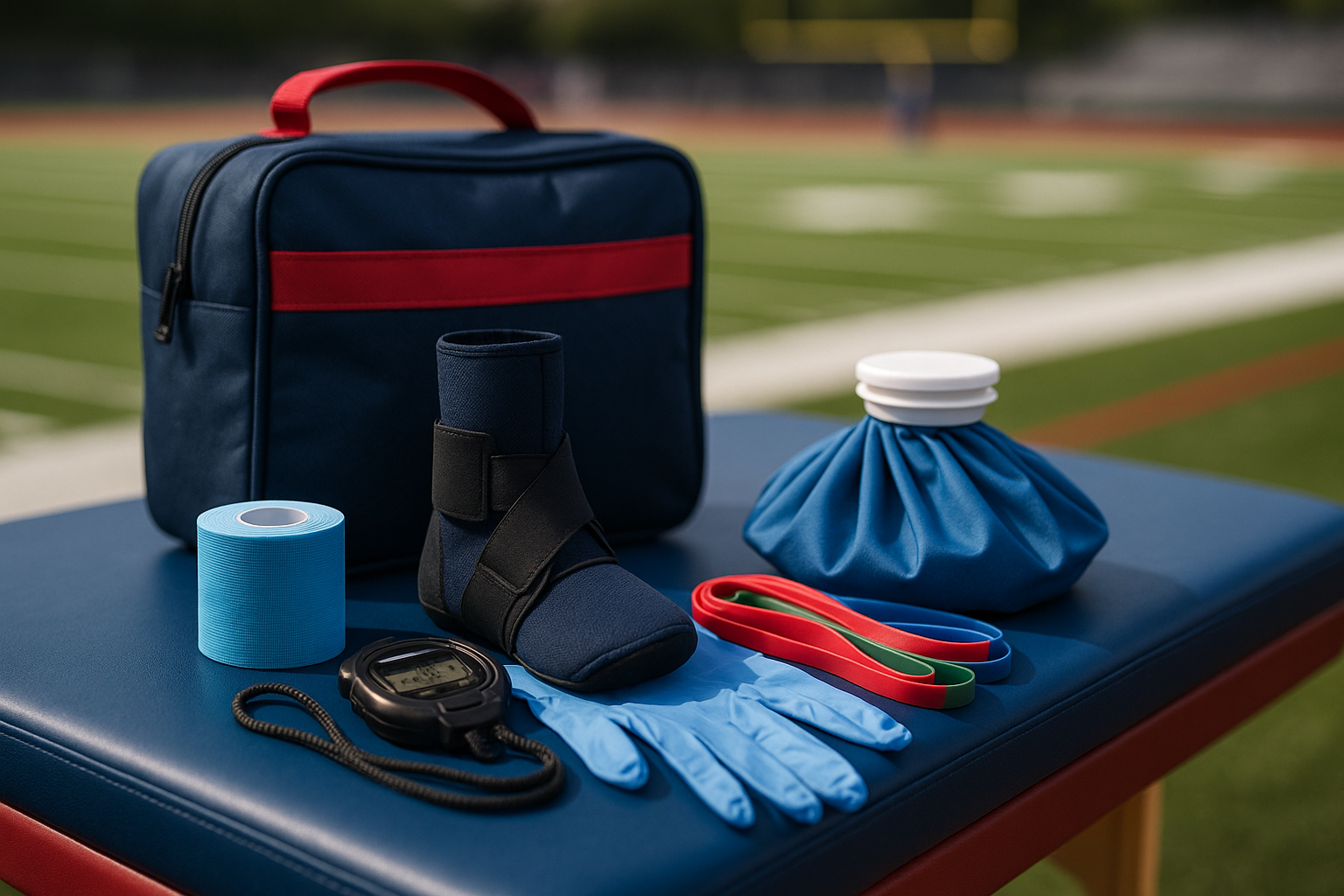
Strong preparation for A Guide to Pursuing a Career as an Athletic Trainer in the USA can begin in high school. Choose biology, chemistry, anatomy, physiology, statistics, psychology, and health-science courses when available. Shadow an athletic trainer for several hours, volunteer at a clinic, or observe sports medicine operations; direct exposure can reveal whether you are comfortable with blood, urgent decisions, patient communication, and weekend work.
Common undergraduate majors include exercise science, kinesiology, biology, health sciences, and athletic training preparation. Do not assume one major guarantees admission. Graduate programs may require specific laboratory credits, a minimum grade—often a C or better—and documented observation hours. Request prerequisite evaluations from each program before your final undergraduate year.
CAATE-accredited curricula commonly cover injury prevention, clinical examination, therapeutic interventions, emergency care, pharmacology, nutrition, healthcare administration, and evidence-based practice. Clinical education is equally important: you should treat different ages, genders, activity levels, and medical conditions in settings beyond one sports team. Compare tuition, graduation rates, class size, faculty credentials, placement quality, and graduate BOC outcomes. We recommend asking for the most recent three-year outcomes rather than accepting a single impressive percentage. That research is central to A Guide to Pursuing a Career as an Athletic Trainer in the USA.
How Long Does It Take and How Much Does Athletic Training School Cost?
The traditional route in A Guide to Pursuing a Career as an Athletic Trainer in the USA takes roughly six years: four years of undergraduate study and two years in a professional master’s program. An accelerated combined pathway may reduce calendar time, while missing chemistry or anatomy prerequisites can add a semester or more. Part-time study may improve affordability but extend completion beyond six years. Classroom credits also differ from supervised clinical hours, so ask programs for the total weekly commitment.
Costs vary sharply. Public universities may be less expensive for in-state students, while out-of-state and private tuition can add tens of thousands of dollars. Online or hybrid courses may reduce relocation costs, but patient-care clinical requirements still require in-person attendance. Build a written budget that includes tuition, university fees, books, housing, transportation to clinical sites, liability or equipment costs, NATA membership, BOC examination fees, state licensure, CPR renewal, and continuing education.
- Apply for federal aid and university scholarships early.
- Ask about graduate assistantships, paid campus positions, and state grants.
- Check whether an employer offers tuition support.
- Estimate debt against entry-level pay and local housing costs.
- Keep a relocation reserve because a first job may be outside your home market.
Our recommendation for A Guide to Pursuing a Career as an Athletic Trainer in the USA is to compare total debt with conservative first-year income, not the highest advertised salary.

Certification, Licensing, and Continuing Education Requirements
After completing an eligible CAATE-accredited program, A Guide to Pursuing a Career as an Athletic Trainer in the USA requires careful BOC planning. You apply, confirm eligibility, schedule the examination, prepare across the published practice domains, and pass the national certification test. Certification maintenance requires renewal and continuing education; failing to meet deadlines can place your credential at risk and may prevent lawful practice in states that require BOC status.
National certification is not the same as state licensure. State rules can include applications, fees, background checks, jurisprudence examinations, fingerprints, state-specific education, and continuing education. Verify requirements with your state athletic training board and the Association of Athletic Training Regulatory Agencies. School websites and employer postings can become outdated.
- Download the current BOC practice-domain outline.
- Set a weekly study calendar at least eight weeks before testing.
- Use official BOC materials and complete timed practice questions.
- Review weak domains with a certified athletic trainer or faculty mentor.
- Save every renewal certificate in a digital record.
Continuing education may address concussion care, emergency cardiac response, heat illness, mental health, ethics, pharmacology, and legal documentation. In our experience, candidates who study patient scenarios—not just definitions—retain more. That practical discipline strengthens A Guide to Pursuing a Career as an Athletic Trainer in the USA.
Essential Skills and Traits of Successful Athletic Trainers
Technical competence is the foundation of A Guide to Pursuing a Career as an Athletic Trainer in the USA. You need injury assessment, emergency action planning, therapeutic exercise, manual techniques, rehabilitation progression, infection control, patient education, and accurate clinical documentation. A strong clinician can explain why a rehabilitation exercise is prescribed, recognize deterioration, and refer a patient when the condition exceeds the authorized scope of practice.
Interpersonal skills matter just as much. During an emergency, you must communicate calmly while coordinating coaches, parents, physicians, and emergency responders. Cultural competence, empathy, conflict management, teamwork, and the confidence to challenge an unsafe return-to-play request protect patients. The job can involve long periods standing, evening practices, weekend games, travel, unpredictable emergencies, and emotionally difficult conversations.
Build evidence of readiness through CPR and first-aid training, shadowing, campus sports medicine work, coaching support, research, and community clinic volunteering. Create a case portfolio with de-identified examples: assessment, intervention, referral, outcome, and reflection. Add supervisor references that describe your communication and reliability. In an interview, a specific story about stopping participation after concerning neurological symptoms is stronger than saying you are “a team player.” Those habits make A Guide to Pursuing a Career as an Athletic Trainer in the USA practical rather than theoretical.
Athletic Trainer Salary, Job Outlook, and Career Stability
Compensation in A Guide to Pursuing a Career as an Athletic Trainer in the USA should be evaluated with current data and local context. The BLS Occupational Outlook Handbook reports a median annual wage of roughly $60,000 for athletic trainers based on its latest published wage data, with lower and higher percentiles spanning a wide range. BLS also projects about 13% employment growth for athletic trainers from to and approximately 3,900 openings per year across the occupation.
Those national figures do not predict your first offer. A rural high school may offer less cash but a stable schedule, while a hospital or physician practice may provide stronger benefits. College and professional sports can involve long seasons, travel, and evening work. Industrial roles may offer predictable weekday hours, and military or public-sector roles may include structured benefits. Experience, geography, education, overtime eligibility, and physician access all affect pay.
Compare total compensation: salary, health insurance, retirement contributions, paid time off, housing, overtime, professional development funding, equipment support, and season length. We analyzed offers where a $4,000 higher salary was outweighed by unpaid postseason work and weak health coverage. As you assess opportunities, A Guide to Pursuing a Career as an Athletic Trainer in the USA should mean evaluating the entire employment package.
Where Can Athletic Trainers Work? Choosing a Specialization
The best setting for A Guide to Pursuing a Career as an Athletic Trainer in the USA depends on your preferred patients, schedule, autonomy, and career direction. Secondary schools may offer deep community relationships but limited staffing and seasonal intensity. Colleges usually bring more complex competition schedules and specialization. Professional sports are prestigious and highly competitive, while hospitals, physician practices, corporations, and community health programs can provide more stable employment.
Other options include outpatient rehabilitation, military units, performing arts, public safety, and industrial occupational health. Specialties may include orthopedics, rehabilitation, sports performance, emergency care, administration, education, research, and healthcare leadership. In rural or underserved communities, you may manage broader responsibilities, maintain referral networks, understand telehealth limitations, and rehearse emergency transport plans because specialty care may be hours away.
Rank each opportunity from to for schedule predictability, patient contact, competition, salary, location, autonomy, supervision, and long-term growth. Then weight your top three factors. For example, a hospital role may score for stability and for sports exposure; a college role may score for schedule predictability and for athletics. This decision matrix is more useful than choosing based on a team logo. That is the practical value of A Guide to Pursuing a Career as an Athletic Trainer in the USA.
Career Challenges, Legal Responsibilities, and Mental Health
A realistic A Guide to Pursuing a Career as an Athletic Trainer in the USA must include the difficult parts: seasonal employment, low early-career pay in some markets, role ambiguity, understaffing, burnout, and pressure from coaches, parents, athletes, or administrators. You may be the only healthcare professional immediately present, yet still lack equipment, private space, or adequate time for documentation.
Legal and ethical responsibilities include informed consent, privacy, scope of practice, emergency action plans, concussion protocols, mandated reporting, and complete records. Keep current CPR and emergency credentials, document assessments and referrals, rehearse emergency plans, communicate restrictions in writing, and never perform care outside your authorized scope. High-stakes areas include concussion, heat illness, sudden cardiac arrest, and opioid or medication concerns; follow current institutional and state protocols and involve physicians, emergency responders, and pharmacists when appropriate.
Protect your mental health as deliberately as your patients’ health. Learn to recognize distress, know referral pathways, complete suicide-prevention training, set workload boundaries, use peer support, and ask about employee assistance programs. We recommend a monthly case review with a mentor, especially after a serious emergency. Ethical courage and sustainable boundaries are essential to A Guide to Pursuing a Career as an Athletic Trainer in the USA.
How to Get Your First Athletic Training Job and Advance Your Career
Your first job search for A Guide to Pursuing a Career as an Athletic Trainer in the USA should begin before graduation. Prepare a targeted résumé, clinical portfolio, references, and a concise list of credentials. Join NATA or a local association, attend career fairs, contact alumni, and apply early for seasonal positions. Tailor each application to the patient population and setting rather than sending one generic résumé.
Read job descriptions for staffing ratios, supervision, equipment budgets, emergency coverage, physician access, documentation systems, salary transparency, overtime, and professional development. Ask directly who makes return-to-play decisions and whether you will be expected to cover multiple teams simultaneously. Prepare scenario answers: explain how you would remove an athlete with suspected concussion, respond if an athlete refuses referral, address a parent disputing restrictions, and manage an emergency action plan failure.
A 90-day plan can include a mentor meeting in week one, credential and CPR review in week two, one case review each month, two continuing-education activities, and three measurable clinical goals. Advancement may lead to lead athletic trainer, clinical coordinator, program director, sports medicine administrator, educator, researcher, physician liaison, occupational health specialist, or another allied-health role. We found that documented results—not job titles alone—drive progression. That is a central lesson from A Guide to Pursuing a Career as an Athletic Trainer in the USA.
Conclusion: A Practical 12-Month Action Plan
Use A Guide to Pursuing a Career as an Athletic Trainer in the USA as a working plan, not a document you read once. In month 1, identify three CAATE-accredited programs. In month 2, contact admissions offices and request prerequisite evaluations. In month 3, arrange two shadowing experiences. In month 4, complete CPR or first-aid training. In month 5, request transcripts and record missing science courses.
- Month 6: compare tuition, clinical placements, graduation rates, and BOC outcomes.
- Month 7: apply for federal aid, scholarships, assistantships, and grants.
- Month 8: build a healthcare résumé and request references.
- Month 9: submit applications and create a realistic housing and transportation budget.
- Month 10: interview programs, mentors, and potential employers.
- Month 11: review state licensing rules and plan BOC preparation.
- Month 12: choose the program or job using debt, schedule, support, and demand—not prestige alone.
Current students should track clinical competencies, document patient-care experiences, maintain a mentor relationship, and begin BOC preparation before the final semester. Career changers should compare transferable science credits, prerequisite time, tuition debt, and local demand. Before enrolling in 2026, verify details with CAATE, BOC, NATA, your state regulatory agency, and the BLS. The final principle of A Guide to Pursuing a Career as an Athletic Trainer in the USA is simple: choose preparation that makes you clinically capable, financially prepared, and ready to protect patients when pressure is highest.
Key Takeaways
- The standard pathway is an undergraduate education followed by a CAATE-accredited professional master’s program, the BOC examination, and state licensure.
- Athletic trainers work in schools, colleges, hospitals, clinics, physician practices, military units, performing arts, and industrial settings—not only professional sports.
- Compare programs by clinical quality, tuition, graduation outcomes, BOC results, faculty support, and total cost of attendance.
- National BOC certification and state licensure are separate requirements; verify current rules directly with your state board.
- Evaluate job offers by total compensation, schedule, staffing, supervision, benefits, professional development, and long-term advancement potential.
Frequently Asked Questions
How long does it take to become an athletic trainer in the USA?
The usual route takes about six years: approximately four years for a bachelor’s degree followed by two years in a professional master’s program. Prerequisite gaps, part-time enrollment, and clinical placement schedules can extend that timeline.
Is athletic training a good career?
Yes. Athletic trainers are healthcare professionals who prevent, evaluate, treat, and rehabilitate injuries and illnesses. They are different from personal trainers, who focus primarily on fitness, and physical therapists, who complete a separate doctoral-level professional pathway in most cases.
What degree do you need to become an athletic trainer?
You generally need to graduate from a CAATE-accredited professional program, pass the Board of Certification examination, and satisfy the athletic training licensing requirements in your state. National certification and state licensure are separate obligations.
How much do athletic trainers make in the United States?
The U.S. Bureau of Labor Statistics reports a national median annual wage of about $60,000 for athletic trainers, although local starting salaries can be substantially lower or higher. Setting, geography, experience, benefits, overtime, and season length all affect total compensation.
Where do athletic trainers work besides professional sports?
Professional sports are highly competitive, but they represent only one part of the field. Athletic trainers also work in schools, colleges, hospitals, outpatient clinics, physician practices, military units, performing arts organizations, and industrial workplaces.
Do athletic trainers need a license?
Yes, but you must verify the rules of the state where you will practice. Many states require national certification, an application, fees, and continuing education; some also require background checks, jurisprudence examinations, or specific state coursework.
