A Guide to Pursuing a Career as a Drone Operator in the USA
Many aspiring pilots want clear answers about licensing, training costs, equipment, income, jobs, and the safest route into paid work. A Guide to Pursuing a Career as a Drone Operator in the USA starts with one key fact: recreational flying and commercial flying follow different rules.
A drone operator plans, flies, documents, and manages unmanned aircraft operations. You may work in real estate, construction, agriculture, infrastructure inspection, emergency response, film production, or mapping. For most paid operations, you need an FAA Remote Pilot Certificate under Part 107.
As of 2026, FAA registration and Remote ID remain central compliance tasks. The FAA also regulates altitude, airspace access, aircraft operation, and pilot responsibilities. We researched FAA guidance, related Bureau of Labor Statistics data, and employer requirements to create this practical path. A second look at A Guide to Pursuing a Career as a Drone Operator in the USA shows why business skills matter as much as flight skills.
- Legal foundation: Part certification, registration, Remote ID, and airspace planning.
- Commercial foundation: a specialty, reliable deliverables, insurance, and client communication.
- Financial foundation: a realistic budget that includes taxes, maintenance, software, and unpaid sales time.
What Does a Professional Drone Operator Do?
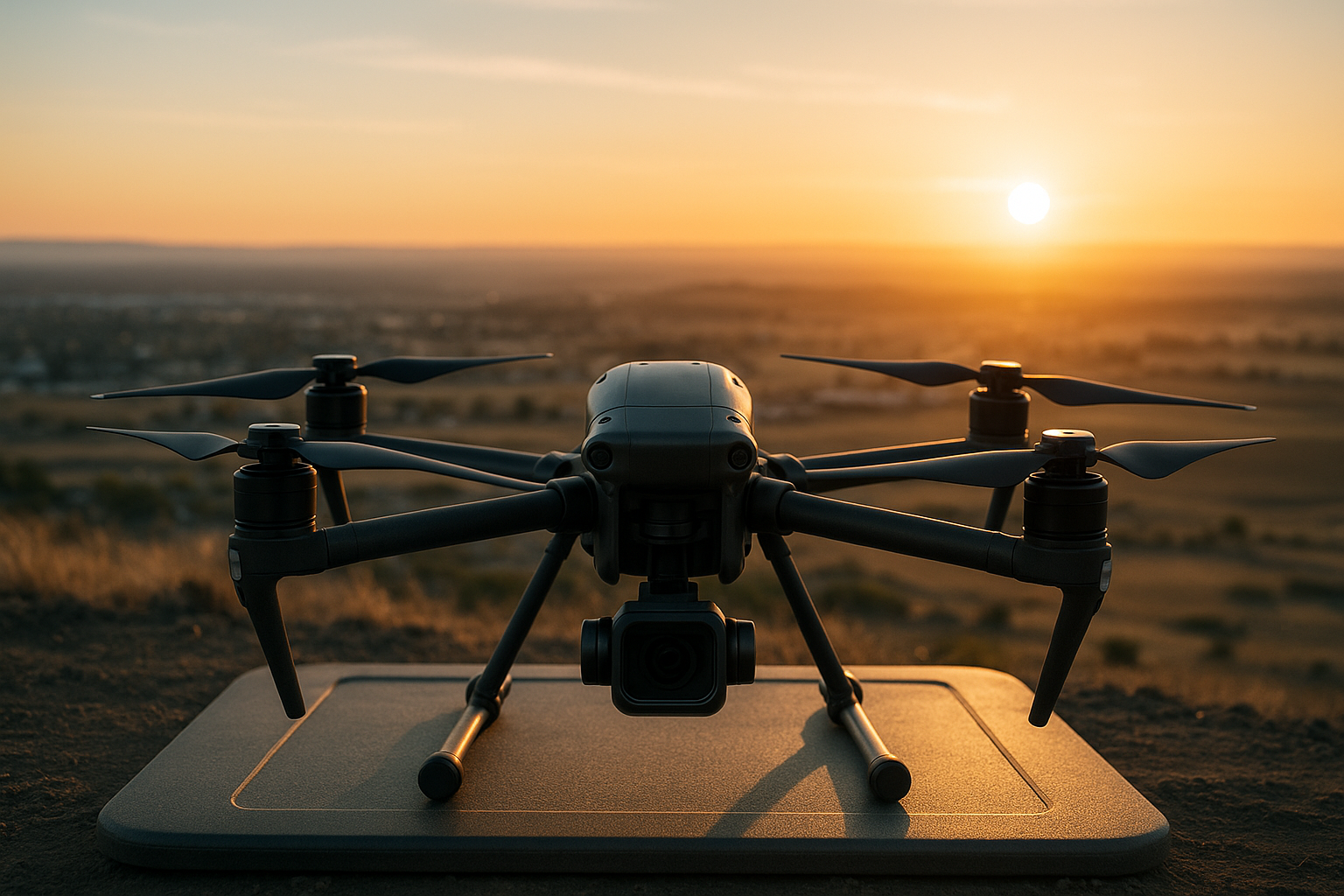
Professional work begins before takeoff. You brief the client, survey the site, check weather and airspace, plan the flight, inspect batteries, capture data, process files, and deliver a report or finished media. A Guide to Pursuing a Career as a Drone Operator in the USA is therefore about managing a complete service, not holding a controller.
A real estate pilot may capture exterior images, a 4K video, and a short edited reel within to hours. A construction specialist may fly the same route each week, then produce an orthomosaic, progress images, and a written comparison. A solar technician may use thermal imagery to identify damaged panels and tag each finding in a report.
Common roles include aerial photographer, real estate pilot, construction progress specialist, utility inspector, agricultural operator, public-safety pilot, mapping technician, and cinematography operator. Responsibilities differ sharply by sector. Mapping requires ground control, photogrammetry, and GIS skills; public-safety work adds agency procedures and incident command.
We found that demand is tied to a measurable business result: fewer site visits, better documentation, faster claims, safer inspections, or more accurate maps. The FAA provides commercial guidance through its Federal Aviation Administration unmanned aircraft resources. You can also review occupational information from the U.S. Bureau of Labor Statistics and research from NIST’s unmanned aircraft systems program. A Guide to Pursuing a Career as a Drone Operator in the USA becomes more valuable when your service solves a specific operational problem.
How to Become a Drone Operator: The Legal Requirements
The usual legal pathway has six steps. First, create an FAA Tracking Number through the FAA’s IACRA system. Next, confirm that you are generally at least years old, can read, speak, write, and understand English, and are physically and mentally fit to operate safely.
- Study Part regulations, airspace, weather, charts, and emergency procedures.
- Book and pass the 60-question FAA knowledge test.
- Complete the required TSA security vetting.
- Apply for your Remote Pilot Certificate in IACRA.
- Register each aircraft used for commercial work.
- Confirm Remote ID compliance and local operating restrictions before flying.
Part generally limits flights to feet above ground level, requires visual line of sight, and requires daylight or appropriate lighting for permitted night operations. Careless or reckless flying is prohibited. Controlled airspace near airports requires authorization, often through LAANC. Informal approval from a property owner does not replace FAA authorization.
Aircraft used under Part must be registered and marked as required. Remote ID broadcasts identification and location information unless an applicable exception applies. We recommend reviewing the FAA Part certification page before booking your test. That official resource should anchor A Guide to Pursuing a Career as a Drone Operator in the USA, not social-media advice. In 2026, check the FAA site again before each new project because rules, tools, and enforcement practices can change.
How Hard Is the Part Exam and How Should You Prepare?
The Part exam contains multiple-choice questions, gives you hours, and requires at least 70% to pass. The certificate is maintained through recurrent online training every calendar months. The test is manageable, but guessing from basic flying experience is risky. A Guide to Pursuing a Career as a Drone Operator in the USA should include serious chart and weather preparation.
Study these subjects: airspace classes, sectional-chart symbols, weather reports, airport operations, loading and performance, emergency procedures, crew resource management, and operating rules. Candidates often confuse controlled and uncontrolled airspace, misread chart symbols, or calculate the 400-foot limit incorrectly near a structure.
Use this four-week plan:
- Week one: read Part rules and spend minutes daily identifying airspace on charts.
- Week two: study weather reports, airport operations, loading, and performance.
- Week three: take timed quizzes and record every incorrect answer.
- Week four: complete three or more full practice tests and review weak areas.
Budget for the FAA testing fee, often $175, plus a preparation course, transportation, and time away from work. Before booking, verify your identification, review the testing-center rules, complete timed tests, and confirm that weak scores have improved. Based on our analysis, structured courses help people who need accountability, while disciplined self-study can reduce cost. This is a practical part of A Guide to Pursuing a Career as a Drone Operator in the USA.
Choosing Training, Equipment, and Technical Skills
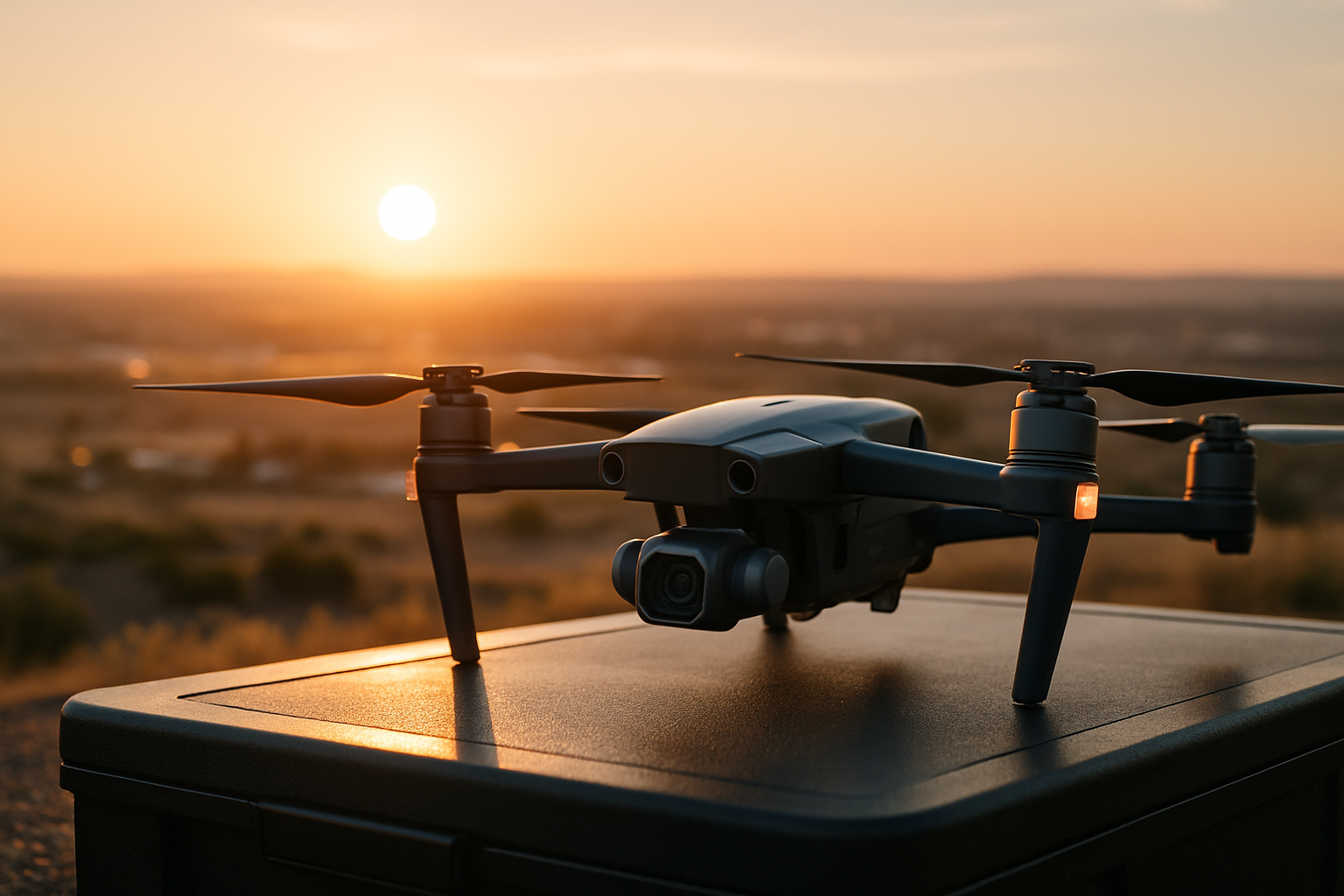
You have three sensible training routes. Self-study is the least expensive but requires discipline. A structured online Part course adds lessons, quizzes, and instructor support. A flight school, community college, or professional drone program adds hands-on practice, which can expose unsafe habits before a client does.
Certification proves regulatory knowledge, not commercial competence. Employers and clients also judge safe flight habits, repeatable workflows, communication, file quality, and delivery speed. We tested starter workflows with this principle: learn the service first, then buy equipment. A real estate video, roof inspection, and agricultural survey need different sensors and software.
A sub-$1,000 camera drone can support early practice and basic visual work. Enterprise aircraft with thermal cameras, LiDAR, multispectral sensors, or RTK positioning can cost several thousand dollars or more. Do not finance advanced equipment until recurring demand can cover its cost.
Your starter kit should include:
- An aircraft with obstacle sensing, spare batteries, a safe charger, and approved memory cards.
- A landing pad, propeller replacements, high-visibility vest, weather meter, and first-aid supplies.
- A printed or digital preflight checklist, backup storage, and protective transport case.
Build skills in manual exposure, composition, battery and firmware management, GIS, photogrammetry, video editing, spreadsheet reporting, and cloud file organization. A Guide to Pursuing a Career as a Drone Operator in the USA works best when your technical choices support a defined service. We recommend writing that service in one sentence before purchasing your next aircraft.
Drone Operator Career Paths and Industries Hiring
Drone careers appear in real estate marketing, construction, roofing, insurance inspection, utilities, renewable energy, agriculture, surveying, mapping, film, television, public safety, environmental monitoring, and journalism. The strongest opportunities usually combine flight with a second skill, such as GIS, thermography, construction reporting, or video production.
Consider two examples. A construction pilot can capture weekly images from the same flight path, label locations, and show schedule progress. A solar inspection technician can use thermal imagery to locate damaged panels, attach panel numbers, and produce a report that helps a repair crew act quickly.
Additional qualifications depend on the role. Mapping may require GIS and photogrammetry knowledge. Thermal inspection benefits from thermography training and careful temperature interpretation. Public-safety work may require agency policies, evidence handling, radio procedures, and incident-command training. Film work may demand camera movement, lighting, and production-set discipline.
Employment offers predictable schedules, equipment support, benefits, and less responsibility for sales. Freelancing offers flexibility but shifts sales, insurance, taxes, maintenance, and collections onto you. Before choosing, interview five local employers or clients. Ask about software, sensors, turnaround times, insurance limits, and preferred credentials.
For professional development, review the Association for Uncrewed Vehicle Systems International and the American Society for Photogrammetry and Remote Sensing. We found that local conversations reveal more useful hiring information than broad salary claims. That evidence should guide A Guide to Pursuing a Career as a Drone Operator in the USA and your specialty choice.
How Much Can a Drone Operator Earn? Salary, Rates, and Costs
There is no single reliable national salary for drone operators. Pay varies by region, specialization, portfolio quality, travel, data-processing ability, and ownership of expensive sensors. The Bureau of Labor Statistics does not maintain a simple standalone drone-operator category, so compare current job postings with related categories such as commercial photography, surveying, inspection, and film production.
Freelancers may quote per-property packages, hourly flight rates, day rates, project fees, inspection reports, mapping acreage, or recurring construction retainers. A real estate package might include edited photographs and a short video. A mapping quote should define acreage, accuracy, ground control, processing, and delivery format.
Here is a simple monthly example:
- Four real estate assignments at $450 each: $1,800 revenue.
- Two recurring inspection clients at $900 each: $1,800 revenue.
- Gross monthly revenue: $3,600.
- Insurance, software, travel, storage, depreciation, taxes, editing, and marketing: approximately $1,650 in this example.
- Pre-tax owner income before unpaid sales time: approximately $1,950.
Actual results will differ. Include liability and equipment insurance, replacement batteries, registration, maintenance, accounting, advertising, storage, and unpaid proposals. Quote from a written scope that defines flight limits, deliverables, revision rounds, weather delays, travel fees, usage rights, and payment terms. Based on our research, many new operators underprice editing and sales time. A Guide to Pursuing a Career as a Drone Operator in the USA should treat revenue and profit as different numbers.
Building a Portfolio and Finding Your First Clients
Build six to eight strong projects across one or two specialties. Random scenic footage rarely proves business value. Better examples include a construction time series, roof-inspection mockup, real estate walkthrough, orthomosaic, and before-and-after infrastructure record. A Guide to Pursuing a Career as a Drone Operator in the USA should show what a client receives, not only what your aircraft can see.
Create ethical sample work. Obtain property permission, label simulated projects clearly, remove private information, and never claim certifications or experience you have not earned. For each project, show the brief, safety plan, capture method, final deliverable, and expected business use.
- Choose one local niche.
- Create a one-page service offer with a clear outcome.
- Contact local businesses.
- Request short discovery calls.
- Provide one sample deliverable where appropriate.
- Collect testimonials and ask for referrals.
Your basic sales kit should include a simple website, concise reel, service-area map, insurance proof, Remote Pilot Certificate, sample contract, safety policy, and turnaround times. A useful message to a construction manager might say: “I help project teams document weekly progress from a repeatable flight path, reducing unnecessary site visits and creating a dated record for stakeholders.”
Protect original files with two backups. Define who owns raw footage, processed data, and final reports. We recommend tracking inquiries, response rates, objections, and closed work in a spreadsheet. That record improves A Guide to Pursuing a Career as a Drone Operator in the USA by connecting portfolio activity to actual sales.
Safety, Privacy, Insurance, and Business Compliance
A professional preflight process prevents avoidable losses. Inspect the aircraft and propellers, check battery condition, review firmware and compass warnings, confirm weather and NOTAMs, verify airspace authorization, identify an emergency landing area, and brief everyone nearby. Record the checklist, even when you are working alone.
Privacy requires restraint. Avoid collecting unnecessary images of homes, schools, workplaces, or public events. Secure files, limit access, and follow applicable state privacy, trespass, and recording laws. A property owner’s permission does not automatically permit every flight path or every kind of recording.
Part waivers or additional approvals may apply to operations outside standard rules, including some flights over people, moving vehicles, nighttime operations, or beyond visual line of sight. Check the current FAA requirements rather than relying on an old course.
Ask an insurance broker about commercial drone exclusions. General liability may address third-party injury or property damage. Aviation liability is designed for aircraft operations. Hull or equipment coverage protects the aircraft. Professional liability may help with alleged errors in data or reporting.
Write an incident plan for a lost link, flyaway, crash, injury, property damage, or suspected battery fire. Include emergency contacts, shutdown procedures, evidence preservation, client notification, and required FAA reporting steps. We found that a written safety management system is a major gap in beginner plans. Review risks monthly and document corrective actions. This discipline makes A Guide to Pursuing a Career as a Drone Operator in the USA safer and more credible.
A 90-Day Plan for Starting a Drone Operator Career
A 90-day plan turns interest into evidence. During days 1–30, research one local niche, read FAA rules, choose a study method, schedule the Part exam, practice with a low-cost aircraft, and interview at least three working operators. Write down their common clients, equipment, pricing method, and busiest months.
During days 31–60, pass the knowledge test, complete aircraft registration and Remote ID tasks, create a preflight checklist, and practice five repeatable exercises. These might include a controlled hover, straight-line tracking, orbit, vertical inspection pass, and consistent photo grid. Produce three portfolio-ready projects with permission.
During days 61–90, launch a basic website, set prices, obtain appropriate insurance, contact prospects, and apply to at least relevant jobs or contracts. Track replies, objections, interviews, proposals, and sales. Your measurable milestones should include:
- One Remote Pilot Certificate and one defined specialty.
- Six portfolio assets and three testimonials or professional references.
- One signed contract template and a monthly equipment budget.
Do not buy thermal, mapping, LiDAR, or specialized software until recurring demand shows that the added revenue can justify the cost. At day 90, choose employment, part-time freelancing, or a specialized service company. Use revenue, enjoyment, safety performance, and local demand—not excitement alone. A Guide to Pursuing a Career as a Drone Operator in the USA should end with a measured decision. In our experience, small paid tests reveal more than large early purchases.
A Guide to Pursuing a Career as a Drone Operator in the USA: Next Steps
The strongest path combines FAA compliance, safe flight experience, a marketable specialty, clear communication, and dependable data delivery. A Guide to Pursuing a Career as a Drone Operator in the USA is not a promise of easy income. It is a practical process for proving that you can solve a client’s problem safely and repeatedly.
Take these actions during the next seven days:
- Read the FAA Part materials and list any rule you do not understand.
- Select one industry based on local demand.
- Contact two local operators and ask about their first paid projects.
- Compare three training options, including total fees and study support.
- Create a startup budget covering training, aircraft, insurance, software, travel, and taxes.
Track every flight, practice session, client inquiry, expense, and completed deliverable. This log demonstrates experience and helps you price work. Revisit the rules in because FAA requirements, Remote ID enforcement, local restrictions, and employer expectations can change.
Your sequence is simple: earn the certificate, practice safely, build targeted proof of skill, secure insurance, sell one narrowly defined service, and reinvest only after paid demand appears. We recommend reviewing your results every days. If a service produces inquiries but no sales, improve the offer before buying equipment. The best operator is not the person with the most expensive drone; it is the person clients trust to deliver accurate work safely and on time. A Guide to Pursuing a Career as a Drone Operator in the USA becomes a career when disciplined flight turns into dependable value.
Key Takeaways
- Earn the FAA Remote Pilot Certificate, register commercial aircraft, and confirm Remote ID and airspace requirements before accepting paid work.
- Choose one local specialty before buying equipment; a sub-$1,000 camera drone is often enough for early practice and basic visual services.
- Build six to eight honest portfolio projects that show useful deliverables, such as progress records, inspection reports, edited media, or maps.
- Price projects after accounting for insurance, software, travel, maintenance, taxes, depreciation, editing, and unpaid sales time.
- Use a 90-day test period to decide whether employment, part-time freelancing, or a specialized drone company fits your demand and safety results.
Frequently Asked Questions
Do you need a license to operate a drone commercially in the USA?
Most commercial drone pilots need an FAA Remote Pilot Certificate under Part 107. You must generally be at least 16, pass the aeronautical knowledge test, complete TSA vetting, and follow registration, airspace, and operating rules.
How hard is the FAA Part exam?
The Part knowledge test has multiple-choice questions and requires a score of at least 70%. The FAA knowledge-test fee is commonly $175, although prices and testing-center policies can change.
How much can a drone operator make in the USA?
Earnings vary by location, service, experience, and equipment. Entry-level freelance work may produce several hundred dollars per assignment, while specialized inspection, mapping, and full-time roles can pay substantially more.
What equipment does a beginner drone operator need?
A camera drone under $1,000 is often enough for early practice and basic visual work. Thermal, LiDAR, multispectral, and RTK systems can cost several thousand dollars or more, so you should buy them only after confirming client demand.
Is drone operation a good career in 2026?
Yes. Construction documentation, utility inspection, renewable-energy projects, mapping, insurance claims, real estate, agriculture, and emergency response all use unmanned aircraft. Demand is strongest when you deliver useful reports or measurements, not just attractive video.
What is the best way to start a drone operator career?
The best starting path is to earn the Remote Pilot Certificate, choose one local specialty, practice repeatable flights, build six to eight honest portfolio projects, obtain suitable insurance, and sell one clearly defined service. This A Guide to Pursuing a Career as a Drone Operator in the USA approach limits unnecessary spending while you test demand.
