Steps to Become a Seismologist in the USA: What the Career Involves
Steps to Become a Seismologist in the USA usually begin with strong mathematics, physics, and Earth science preparation. You then build programming ability, complete a bachelor’s degree, gain research or field experience, develop professional contacts, and choose between employment or graduate study. Seismologists work for government agencies, universities, energy companies, engineering firms, environmental consultancies, and emergency-management organizations.
A seismologist is an Earth scientist who studies earthquakes, seismic waves, faults, Earth’s interior, and seismic hazards. A geophysicist covers a wider range of physical Earth processes. A geologist focuses more on rocks and geological history, an earthquake engineer designs safer structures, and a seismological technician maintains instruments and processes routine data.
Daily work may include operating seismic networks, cleaning waveform records, locating earthquakes, modeling ground motion, publishing results, and explaining risk to communities. The U.S. Geological Survey Earthquake Hazards Program supports monitoring and hazard research across California, Alaska, the Pacific Northwest, the Intermountain West, and the New Madrid Seismic Zone.
Based on our research, plan on about years for a bachelor’s degree, to years for a bachelor’s degree plus a research-focused graduate path, and longer for a professorship or senior research role. The U.S. Bureau of Labor Statistics geoscientist profile is a useful starting point for employment data. In 2026, earthquake monitoring remains vital because population growth and infrastructure expansion increase the consequences of ground shaking.
Steps to Become a Seismologist in the USA are not identical for every person. A technician may enter with a bachelor’s degree, while an independent research scientist often needs a master’s degree or PhD.
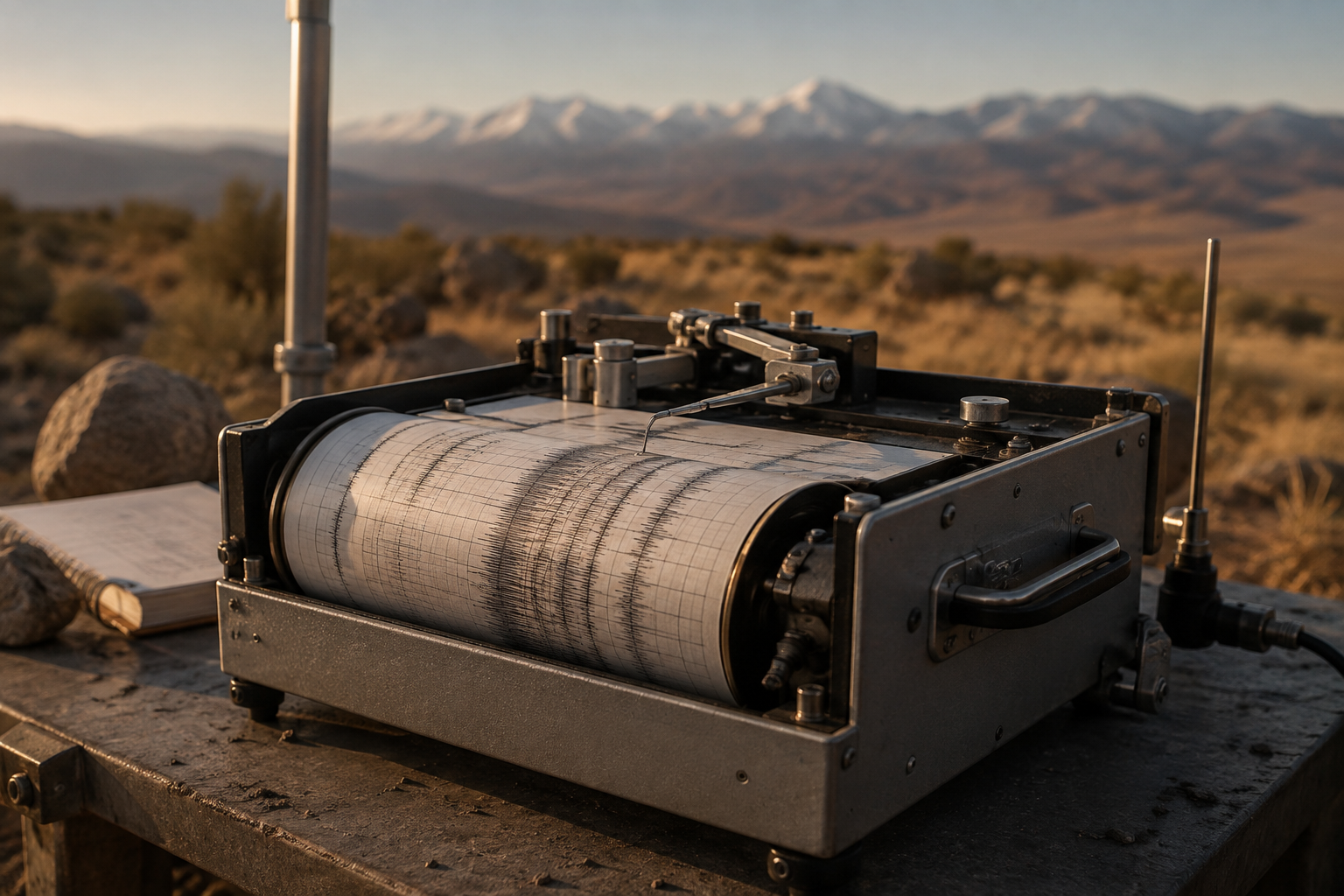
Step 1: Build a Strong Foundation in Math, Physics, and Earth Science
The first step is to take algebra, geometry, trigonometry, calculus, statistics, physics, chemistry, computer science, and geology as early as possible. Calculus describes changing wave motion. Physics explains forces, energy, elasticity, and wave propagation. Statistics helps you assess uncertainty, while linear algebra and differential equations support inverse problems and earthquake-source analysis.
In high school, you can prepare without expensive equipment. Enter a science fair, plot earthquake locations from the USGS catalog, compare magnitude and intensity for a local event, or build a small Python program that counts earthquakes by month. Attend a local earthquake lecture and use introductory materials from the Incorporated Research Institutions for Seismology.
Use this readiness checklist:
- Complete one earthquake-data project and save the code.
- Learn Python basics, including lists, functions, pandas, and charts.
- Read one regional earthquake hazard report and summarize three findings.
- Identify two universities with geophysics, Earth science, or seismology programs.
You can enter field or technician work without advanced mathematics. Research seismology is different. Most research paths require calculus, differential equations, linear algebra, probability, and statistics. Our analysis found that students who begin coding before college often adapt faster to waveform processing and data visualization.
Steps to Become a Seismologist in the USA become easier when you treat mathematics as a tool rather than a barrier. If your preparation is weak, take one prerequisite course at a time, attend office hours, and complete short practice problems every week.
Step 2: Earn the Right Undergraduate Degree
Suitable bachelor’s degrees include geophysics, geology, physics, Earth science, seismology, and environmental science with a quantitative track. A seismology major is not required. For example, a physics student can add geology electives, join a seismology laboratory, learn GIS, and become competitive for a geophysics master’s program.
Prioritize mineralogy, structural geology, tectonics, geophysics, seismology, mechanics, electromagnetism, differential equations, numerical methods, statistics, and geographic information systems. A four-year degree normally includes about semester credits, although requirements vary by institution and state.
Compare programs using evidence rather than a brochure. Check faculty publications, seismic instruments, field courses, computing facilities, undergraduate research, internship partnerships, graduate-school placement, total cost, and available aid. Accreditation and institutional quality matter, but no single label can replace a careful review of the curriculum and faculty expertise.
| Degree type | Typical duration | Useful coursework | Best-fit careers | Graduate research preparation |
|---|---|---|---|---|
| Geophysics | 4 years | Seismology, physics, modeling | Monitoring, consulting, research | Strong |
| Physics | 4 years | Mechanics, waves, calculus | Modeling, data analysis | Strong with geology |
| Geology or Earth science | 4 years | Structure, tectonics, field methods | Field work, hazards, surveys | Good with mathematics |
| Environmental science | 4 years | GIS, statistics, geology | Consulting, hazards, compliance | Variable |
When comparing the Steps to Become a Seismologist in the USA, remember that a low-cost program with active faculty research can be better value than a prestigious program with limited mentoring. We recommend speaking with at least two current students before deciding.
Steps to Become a Seismologist in the USA should produce both scientific depth and practical evidence: transcripts, a research project, field notes, code samples, and a professor who can recommend you.
Step 3: Gain Research, Fieldwork, and Technical Experience
Experience can determine whether your first application receives serious attention. Seek undergraduate research, summer field camps, laboratory work, internships, faculty mentorship, and paid assistantships. Common responsibilities include installing or maintaining seismometers, documenting field conditions, mapping faults, cleaning waveform data, checking instrument timing, and writing research summaries.
Learn Python, MATLAB, the Unix command line, Git, GIS, basic SQL, data visualization, and ObsPy. ObsPy is a widely used Python framework for processing seismological data. A practical portfolio can contain five connected steps:
- Reproduce a published earthquake plot using public data.
- Analyze a waveform dataset from a regional network.
- Document the code and assumptions on GitHub.
- Write a two-page interpretation that explains uncertainty.
- Present the result at a student conference or department seminar.
Do not overlook instrument troubleshooting, quality control, reproducible research, technical writing, or public communication during an earthquake event. One well-documented project can be more persuasive than unrelated clubs. We found that employers often ask candidates to explain how they detected bad data or handled missing records.
In 2026, investigate Research Experiences for Undergraduates, university summer programs, USGS internships, and research assistantships. Many programs accept applications months before the start date. Track deadlines in a spreadsheet and ask faculty about paid work, credit, travel support, and expected weekly hours.
The strongest version of the Steps to Become a Seismologist in the USA path shows what you built and what you learned. The same is true for the Steps to Become a Seismologist in the USA portfolio: make every project reproducible, readable, and easy to verify.
Step 4: Decide Whether You Need a Master's Degree or PhD
A bachelor’s degree may qualify you for entry-level technician, field, data, and research-assistant roles. Many independent research positions, university jobs, and advanced government roles require a master’s degree or PhD. A master’s degree often takes to years. A PhD commonly takes to years after undergraduate study, depending on fieldwork, funding, teaching, and dissertation scope.
Choose a coursework master’s if you want applied geophysics, monitoring, consulting, or technical employment quickly. Choose a thesis program if you want research training and may continue to a doctorate. A PhD fits university research, advanced government science, specialized modeling, and principal-investigator work. Professional master’s programs can be a strong option for earthquake hazard, engineering geophysics, or environmental careers.
Applications may require transcripts, calculus and physics preparation, a research statement, recommendation letters, relevant experience, a writing sample, and sometimes GRE scores. Contact potential advisers before applying. Read at least two recent publications, ask whether funding is guaranteed, and ask about teaching loads, fieldwork, completion rates, and graduate placement.
A realistic planning schedule:
- Spring: identify programs and advisers.
- Summer: complete a project and request recommendations.
- Early fall: draft statements and confirm funding.
- Late fall or winter: submit applications before each deadline.
We recommend comparing the full offer, not only the university name. In the Steps to Become a Seismologist in the USA, funding can determine whether study is financially realistic. The best Steps to Become a Seismologist in the USA decision matches your target job, research interests, funding, and tolerance for long-term independent work.
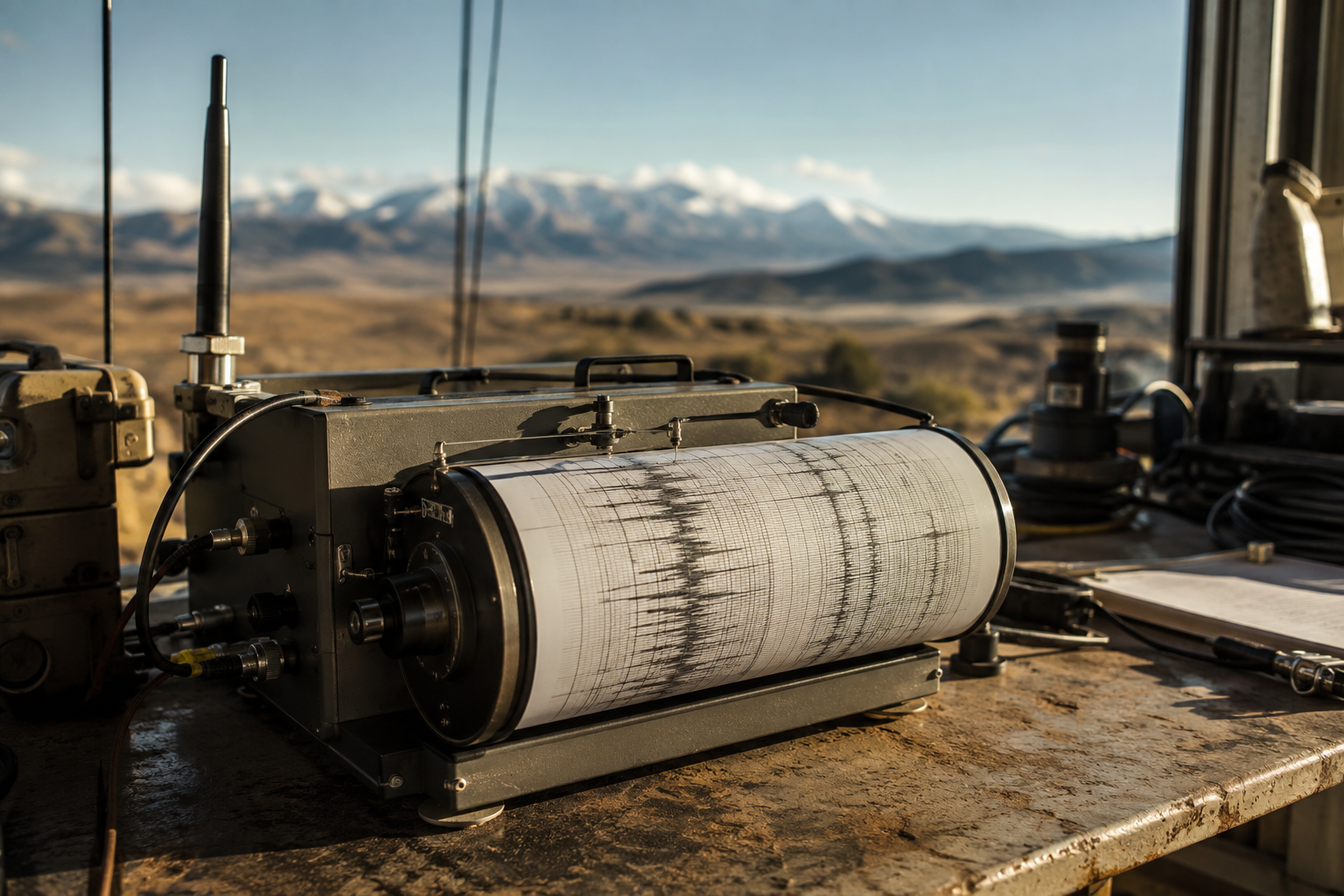
Step 5: Choose a Seismology Specialization and Research Direction
Major specialties include earthquake seismology, observational seismology, engineering seismology, computational seismology, induced seismicity, volcanology, planetary seismology, exploration geophysics, and seismic hazard assessment. These fields ask different questions. Monitoring tracks earthquakes as they happen. Earthquake physics studies rupture and fault behavior. Hazard assessment estimates future shaking probabilities, while engineering seismology applies results to buildings, bridges, hospitals, and energy facilities.
Your preferred work style can guide the choice:
- Choose observational work if you enjoy instruments, networks, and real-time data.
- Choose computational work if you prefer coding, simulations, and high-performance computing.
- Choose engineering seismology if you want client projects and infrastructure decisions.
- Choose policy or hazard work if you enjoy public communication and emergency planning.
For example, you might analyze aftershock sequences after a California earthquake, assess induced seismicity near wastewater injection, or model shaking for a hospital retrofit. Public datasets from the USGS Earthquake Hazards Program let students test these interests before choosing a dissertation.
Planetary seismology extends the work beyond Earth. NASA’s Mars missions used seismometers to study marsquakes and the planet’s interior. Based on our analysis, public datasets are especially valuable because they let you compare a possible specialty against your actual skills and interests.
The Steps to Become a Seismologist in the USA path becomes more focused when you select one question to explore deeply. The best Steps to Become a Seismologist in the USA choices connect your preferred daily work with an employer’s real data and decisions.
Where Seismologists Work in the USA
Seismologists work for federal agencies, state geological surveys, universities, national laboratories, earthquake-monitoring networks, engineering firms, energy companies, environmental consultancies, and technology organizations. Search titles such as seismologist, research geophysicist, earthquake scientist, geophysical data analyst, seismic analyst, hazard modeler, field geophysicist, and research assistant.
Research the USGS, the National Earthquake Information Center, regional seismic networks, the Southern California Earthquake Center, IRIS, state geological surveys, and national laboratories. Academic and federal research roles often favor graduate degrees, publications, and grant experience. Monitoring and consulting employers may place more weight on coding, field skills, quality control, communication, and the ability to deliver work on schedule.
Use this job-search process:
- Build a résumé around instruments, datasets, code, and measurable results.
- Create a portfolio with one waveform project and one mapping or hazard project.
- Search USAJOBS, university boards, laboratory websites, and professional association listings.
- Contact alumni and attend technical meetings before graduation.
- Apply for internships at least to months ahead.
Opportunities cluster near active seismic regions and research centers, including California, Alaska, Washington, Utah, Colorado, New Mexico, and academic hubs in the Northeast. Join the Seismological Society of America and attend its meetings to learn which groups are hiring.
We recommend treating networking as technical learning, not self-promotion. Two useful conversations can reveal required software, common entry titles, and whether a role truly matches the Steps to Become a Seismologist in the USA. The same Steps to Become a Seismologist in the USA approach works nationally: show evidence, ask precise questions, and follow up professionally.
Seismologist Salary, Job Outlook, and Career Advancement
Seismology-specific salary data is limited, so use broader geoscientist figures carefully. The latest available BLS profile reports a median annual wage of about $87,480 for geoscientists, employment of roughly 29,600 workers, and projected growth of about 5% from to 2034. These figures include occupations beyond seismology and should not be treated as a guaranteed seismologist salary.
Pay varies with degree, location, employer, field conditions, security clearance, supervisory duties, and specialty. A university research assistant, federal scientist, consulting geophysicist, and energy-sector analyst may have different salaries and benefits. Compare BLS data, USAJOBS listings, university salary schedules, and professional association postings. Do not rely on one salary website or assume that a PhD automatically creates higher pay.
A sample five-year plan:
- Year 1: finish a bachelor’s degree and complete an internship.
- Year 2: work as a junior analyst or research assistant.
- Year 3: begin a funded master’s degree or earn a relevant certification.
- Year 4: manage a defined dataset or field assignment.
- Year 5: lead an applied project or enter a doctoral research role.
Demand in is supported by earthquake resilience spending, infrastructure assessment, hazard mapping, renewable-energy development, induced-seismicity monitoring, and workforce retirements. Based on our research, total compensation, funding stability, travel, living costs, and promotion pathways can matter more than a small difference in starting pay.
The Steps to Become a Seismologist in the USA path may lead from technician to staff scientist, project manager, senior scientist, principal investigator, department leader, or professor. Progress in the Steps to Become a Seismologist in the USA career depends on useful results, not only credentials.
Licensing, Professional Skills, and Ethical Responsibilities
Seismology itself is not uniformly licensed across the United States. However, applied geoscience, engineering, site characterization, and consulting work may involve state-specific professional geologist or professional engineer requirements. Check the licensing board in the state where you plan to work. A research scientist does not necessarily perform the same regulated work as someone making public-safety or engineering recommendations.
Employers also value scientific writing, public speaking, project management, collaboration, grant writing, mentoring, and clear communication of uncertainty. You must not claim that earthquakes can be predicted precisely when the evidence supports only probabilities, scenarios, or warnings after an event begins.
Practice this communication exercise:
- Write words explaining earthquake probability to a city emergency manager.
- Rewrite the explanation for a high school audience.
- Remove technical terms that do not change the decision.
- State what is known, what is uncertain, and what action is reasonable.
Field safety also matters. Plan for heat, remote travel, unstable slopes, aftershocks, heavy instrument cases, vehicle risks, and lost communications. Use check-in procedures, protective equipment, weather monitoring, and an emergency contact plan. Professional development can include short courses, peer review, code review, conferences, and continuing education in data science and hazard communication.
In the Steps to Become a Seismologist in the USA, ethical judgment protects communities. The same Steps to Become a Seismologist in the USA standard requires transparent methods, accurate magnitude reports, reproducible data, and honest warnings.
Common Challenges and Better Ways to Prepare
Students often face limited research access, graduate-school costs, relocation, uneven mathematics preparation, temporary research contracts, and family responsibilities during fieldwork. You can address weak preparation in a clear sequence: complete prerequisite math, use tutoring and office hours, take one programming class, join a study group, and request a faculty-supervised project.
Compare funded and unfunded graduate offers carefully. Prioritize tuition coverage, a realistic stipend, health insurance, adviser support, research funding, and documented completion outcomes. Prestige alone cannot pay rent or replace reliable supervision. Ask current students how often funding changes and how long dissertations usually take.
You can gain experience without expensive travel. Use public waveform archives, remote internships, open-source software, local geological surveys, virtual seminars, and community science projects. A laptop, Python, ObsPy, and public data can support a credible first project at little cost.
Before choosing a PhD, complete this risk check:
- Define the job you want after graduation.
- Estimate five to seven years of opportunity cost.
- Speak with three working seismologists.
- Review five current job postings.
- Identify one applied alternative pathway.
Consider mentoring programs, disability accommodations, first-generation support, and paid research. For example, a software engineer might take geology prerequisites, contribute to open-source waveform analysis, and enter a funded computational geophysics master’s program. We found that this route can convert existing coding skills into scientific evidence.
The Steps to Become a Seismologist in the USA path should fit your circumstances. A practical Steps to Become a Seismologist in the USA plan reduces risk by testing the work before committing years of time.
Steps to Become a Seismologist in the USA: A Practical 12-Month Plan
Use this 12-month plan to turn interest into evidence. Set measurable targets: one portfolio project, three mentor conversations, five program comparisons, relevant job or internship applications, and one professional presentation or poster.
- Months 1–2: Review mathematics and physics requirements. Compare five universities. Create a spreadsheet for tuition, faculty specialties, research facilities, deadlines, aid, and placement.
- Months 3–4: Complete an introductory Python and ObsPy project using a public earthquake catalog. Publish the code, charts, methods, and results. Ask a professor or working scientist for feedback.
- Months 5–6: Contact at least three potential mentors. Prepare a research résumé. Identify REU programs, university internships, USGS opportunities, and assistantships. Attend a seminar hosted by USGS, IRIS, or a university.
- Months 7–9: Apply for internships, assistantships, graduate programs, or entry-level geoscience roles. Tailor each application to the employer’s instruments, datasets, and research priorities.
- Months 10–12: Conduct informational interviews, practice explaining seismic concepts, compare offers using funding and career outcomes, and create a two-year skills plan.
Save every result in a structured portfolio. Include a short project summary, code link, figure captions, data source, limitations, and contact information. This makes your preparation easy for a faculty member or hiring manager to assess.
In 2026, the Steps to Become a Seismologist in the USA can begin with one public dataset and one honest analysis. Follow the Steps to Become a Seismologist in the USA plan consistently, and you will have concrete proof of progress after months.
Your Next Steps Toward a Seismology Career
Choose your next mathematics or programming course today. Identify one faculty member whose work interests you, download one public seismic dataset, and schedule a career conversation this week. Small actions create the evidence that future advisers and employers need.
Write a one-page career target before the end of 2026. State your preferred specialization, work setting, minimum education, geographic limits, and three skills you will develop. Then use this decision tree:
- Bachelor’s degree: suitable for many entry-level technical, field, data, and assistant roles.
- Master’s degree: useful for many applied geophysics, hazard, monitoring, and consulting positions.
- PhD: usually the strongest route for independent research, advanced modeling, and academic careers.
Verify current salary, employment, program, and licensing details through BLS, USGS, university departments, state boards, and professional associations. Requirements and funding can change. We recommend checking the original source before making a costly education or relocation decision.
The most transferable preparation is quantitative science, programming, careful data analysis, field awareness, clear writing, and honest communication about uncertainty. There is no single route into this profession. Each course, project, field assignment, and professional relationship should show that you are becoming ready to handle real seismic questions.
The final lesson from the Steps to Become a Seismologist in the USA is simple: start with one useful task and document it well. Your next result may become the first proof in the Steps to Become a Seismologist in the USA career you build.
Key Takeaways
- Build calculus, physics, statistics, geology, and Python skills before or during your undergraduate degree.
- Choose a degree program based on coursework, faculty research, instruments, field training, cost, and graduate outcomes.
- Create one well-documented seismic data project using public earthquake or waveform data.
- Use a bachelor’s degree for many entry-level roles, a master’s degree for many applied positions, and a PhD for independent research or academic careers.
- Verify salary, employment, licensing, and program details through BLS, USGS, universities, state boards, and professional associations.
Frequently Asked Questions
What degree do you need to become a seismologist in the USA?
A bachelor’s degree in geophysics, geology, physics, Earth science, or a related field can qualify you for entry-level work. A master’s degree or PhD is often needed for independent research, university positions, and advanced government science roles.
How long does it take to become a seismologist?
A bachelor’s degree usually takes about years. A research-focused path commonly takes to years through a bachelor’s degree and graduate study, while academic careers may require additional postdoctoral training.
Can you become a seismologist without a PhD?
Yes. A bachelor’s degree can lead to technician, field, data, monitoring, or research-assistant work, and a master’s degree can support many applied roles. A PhD is most useful for independent research, advanced modeling, and university careers.
How much does a seismologist earn in the United States?
Seismology-specific salary data is limited because seismologists are often counted within broader geoscientist categories. The latest available BLS profile reports a geoscientist median annual wage of about $87,480, but pay varies by employer, degree, location, specialty, and experience.
Where do seismologists work?
They work for the USGS, regional seismic networks, universities, national laboratories, state geological surveys, engineering firms, energy companies, environmental consultancies, and technology organizations. Jobs are especially common near active seismic regions and major research centers.
What are the main Steps to Become a Seismologist in the USA?
The main steps are to build mathematics and physics skills, earn a relevant bachelor’s degree, gain research or field experience, learn programming and seismic data tools, choose a specialization, and decide whether graduate study matches your target role.
