How to Become a Pastry Chef in the USA: What to Expect
How to Become a Pastry Chef in the USA: A Complete Guide starts with a practical question: which training route, costs, schedule, and entry-level job will fit your goals? You also need to understand salaries, certifications, and the time required to build reliable production skills. This guide answers those questions with a career plan.
A pastry chef develops and manages desserts, baked goods, and sweet kitchen production. A baker may focus on bread or high-volume baked products. A chocolatier specializes in chocolate, while a cake decorator concentrates on celebration cakes. A sous chef supports overall kitchen management, and an executive chef directs the full culinary operation.
Your main routes include culinary school, a six- to 18-month pastry certificate, a two-year associate degree, community college, apprenticeship, employer training, and independent practice. Based on our research, hands-on production matters more than a prestigious school name when employers compare junior applicants. We recommend checking the U.S. Bureau of Labor Statistics Occupational Outlook Handbook and American Culinary Federation career resources.
Expect early starts, weekend work, long periods on your feet, hot ovens, cold storage rooms, and strict deadlines. A 4:00 a.m. shift is common in hotel and bakery production. The second principle of How to Become a Pastry Chef in the USA: A Complete Guide is simple: choose training that gives you repeated, supervised practice.
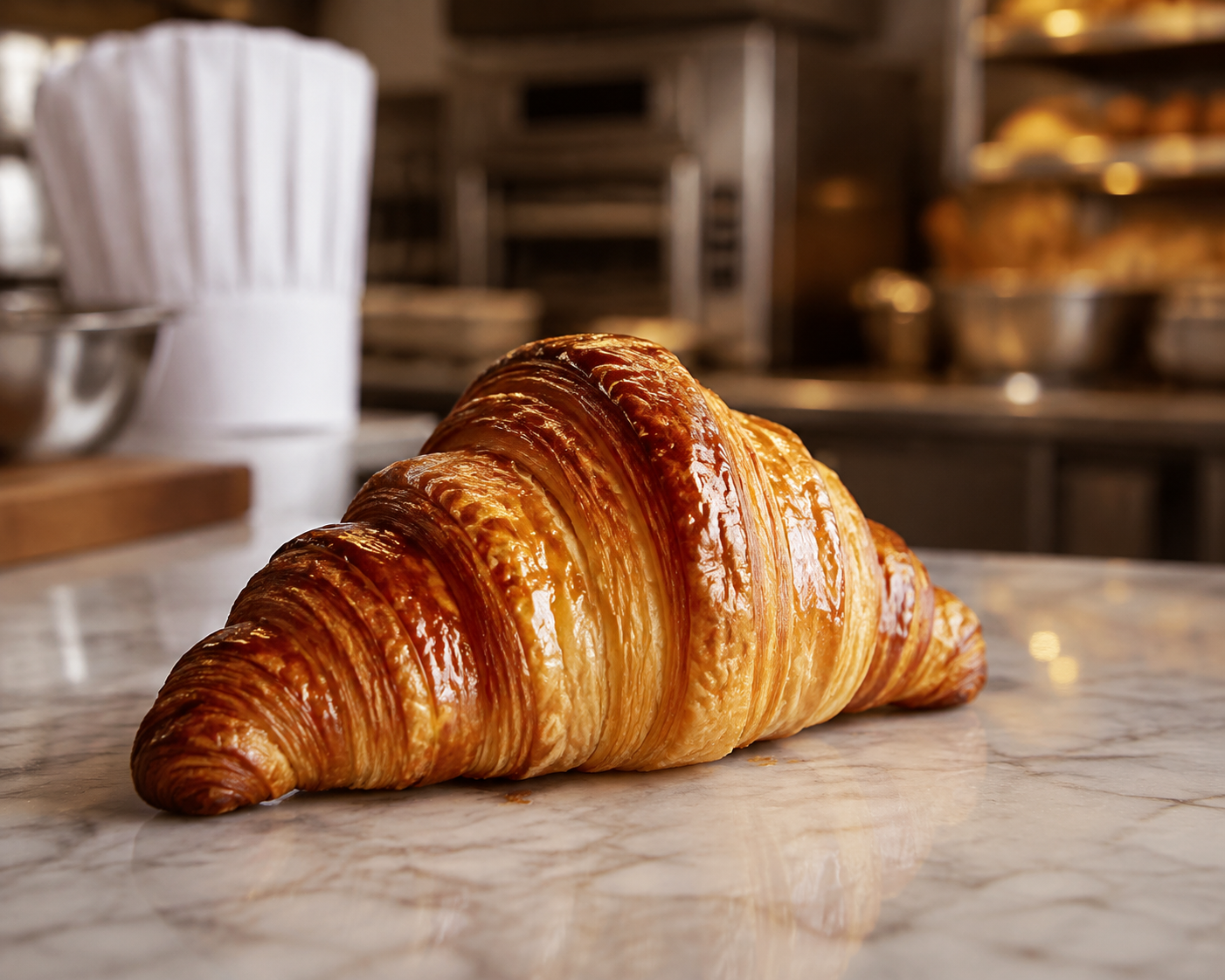
What Does a Pastry Chef Do?
Pastry chefs turn recipes into consistent products at a commercial scale. Their work includes weighing ingredients, scaling formulas, mixing, baking, decorating, plating, ordering, inventory control, recipe costing, waste reduction, and staff supervision. A chef may also write prep lists, train assistants, check deliveries, and adjust production when reservations change.
Workplace duties vary. A hotel pastry department may produce breakfast pastries for a banquet. A restaurant pastry chef may prepare six plated desserts and a tasting menu. A wholesale bakery may prioritize 1,000 identical cookies, while a resort may build seasonal menus around local fruit. A wedding specialist may spend two days assembling one 150-serving cake.
For example, you might begin at 4:00 a.m. by laminating croissant dough, proofing breakfast pastries, baking sponge layers, and checking a wedding-cake order. By afternoon, you could plate desserts, record temperatures, clean equipment, and prepare dough for the next shift. How to Become a Pastry Chef in the USA: A Complete Guide requires understanding this full cycle, not only decorating.
Core categories include viennoiserie, bread, cakes, cookies, custards, frozen desserts, chocolate, sugar work, gluten-free baking, and vegan pastry. You must also separate allergens, follow sanitation logs, control temperatures, label containers, and use standardized recipes. We found that reliable documentation often prevents more production errors than creativity alone. That is a central lesson in How to Become a Pastry Chef in the USA: A Complete Guide.
Education and Training Options for Aspiring Pastry Chefs
You can enter pastry through a culinary school, pastry certificate, associate degree, community college, private academy, online course, apprenticeship, or employer-sponsored program. A certificate commonly takes to months. An associate degree usually takes about years and may include general education, business, and hospitality classes.
Before enrolling, compare more than advertised tuition. Request the complete cost, including uniforms, knives, piping tips, textbooks, transportation, housing, lab fees, and lost income. A program charging $18,000 may become a $25,000 commitment after tools and living expenses. Ask these questions:
- How many supervised lab hours are included?
- Does the program offer an externship or employer placement?
- What is the class size, equipment age, graduation rate, and instructor experience?
- Are career services measured by job placements rather than vague promises?
Research the Culinary Institute of America, Johnson & Wales University, local community colleges, and American Culinary Federation programs. We recommend visiting a lab before paying a deposit. Watch whether students handle dough, ovens, mixers, and sanitation tasks themselves. Online learning can teach theory, but it cannot replace the to repetitions needed to develop speed and touch.
For How to Become a Pastry Chef in the USA: A Complete Guide, the best route depends on your budget, location, work schedule, and target specialty. For How to Become a Pastry Chef in the USA: A Complete Guide, hands-on hours should be your first comparison point.
How to Become a Pastry Chef: A Step-by-Step Path
How to Become a Pastry Chef in the USA: A Complete Guide can be reduced to seven practical steps. You do not need to complete every step in a formal school, but you should build evidence for each one.
- Build foundational skills. Practice pâte à choux, shortcrust pastry, sponge cake, buttercream, ganache, custards, bread dough, and laminated dough. Record oven temperature, mixing time, yield, and defects.
- Choose a training route. Compare cost, schedule, location, career target, and specialty. Prestige alone does not guarantee employment.
- Learn food safety. Obtain a state-approved food-handler card or manager certification when your employer or health department requires it.
- Gain kitchen experience. Apply for baker, pastry cook, prep cook, kitchen assistant, or intern roles. Track speed, waste, consistency, and daily volume.
- Create a portfolio. Build to strong images with recipe notes, timelines, yields, plated desserts, celebration cakes, and dietary accommodations.
- Pursue advancement. Move from pastry cook to lead baker, pastry sous chef, sous chef, and pastry chef while learning purchasing, labor scheduling, costing, and leadership.
- Continue development. Add mentoring, competitions, certifications, and specialty classes.
In our experience, candidates advance faster when they document results. “Made croissants” is weak evidence; “produced croissants with 3% waste” shows control. Use this standard throughout How to Become a Pastry Chef in the USA: A Complete Guide, and review your progress every days.
Essential Pastry Chef Skills and Qualifications
Technical pastry skills include precise measurement, temperature control, fermentation, lamination, piping, chocolate work, decoration, mixing, baking, and plating. Workplace skills include organization, communication, time management, problem-solving, and calm performance during rush periods.
Professional formulas rely on baker’s percentages. If flour equals 1,000 grams and water equals grams, hydration is 65%. If a formula yields portions but you need 60, multiply every ingredient by 2.5. You will also calculate food-cost percentage, yield, portion size, trim loss, and recipe adjustments. A cake costing $1.80 in ingredients cannot be priced profitably without labor, packaging, overhead, and delivery.
Ingredient science matters. Gluten development affects bread structure. Emulsification controls ganache and buttercream. Caramelization changes flavor and color. Yeast, chemical leaveners, steam, eggs, and air each create lift in different ways. We tested many beginner formulas and found that temperature records explain more failures than missing “secret” ingredients.
Use this checklist before applying:
- Can you scale a recipe without calculator errors?
- Can you produce consistent piping and portion sizes?
- Can you explain allergen controls and sanitation steps?
- Can you organize a prep list for three products?
- Can you stand for to hours and lift ingredient bags safely?
Creativity must fit a budget, production time, season, customer request, and allergy requirement. That balance defines How to Become a Pastry Chef in the USA: A Complete Guide more accurately than artistic talent alone.
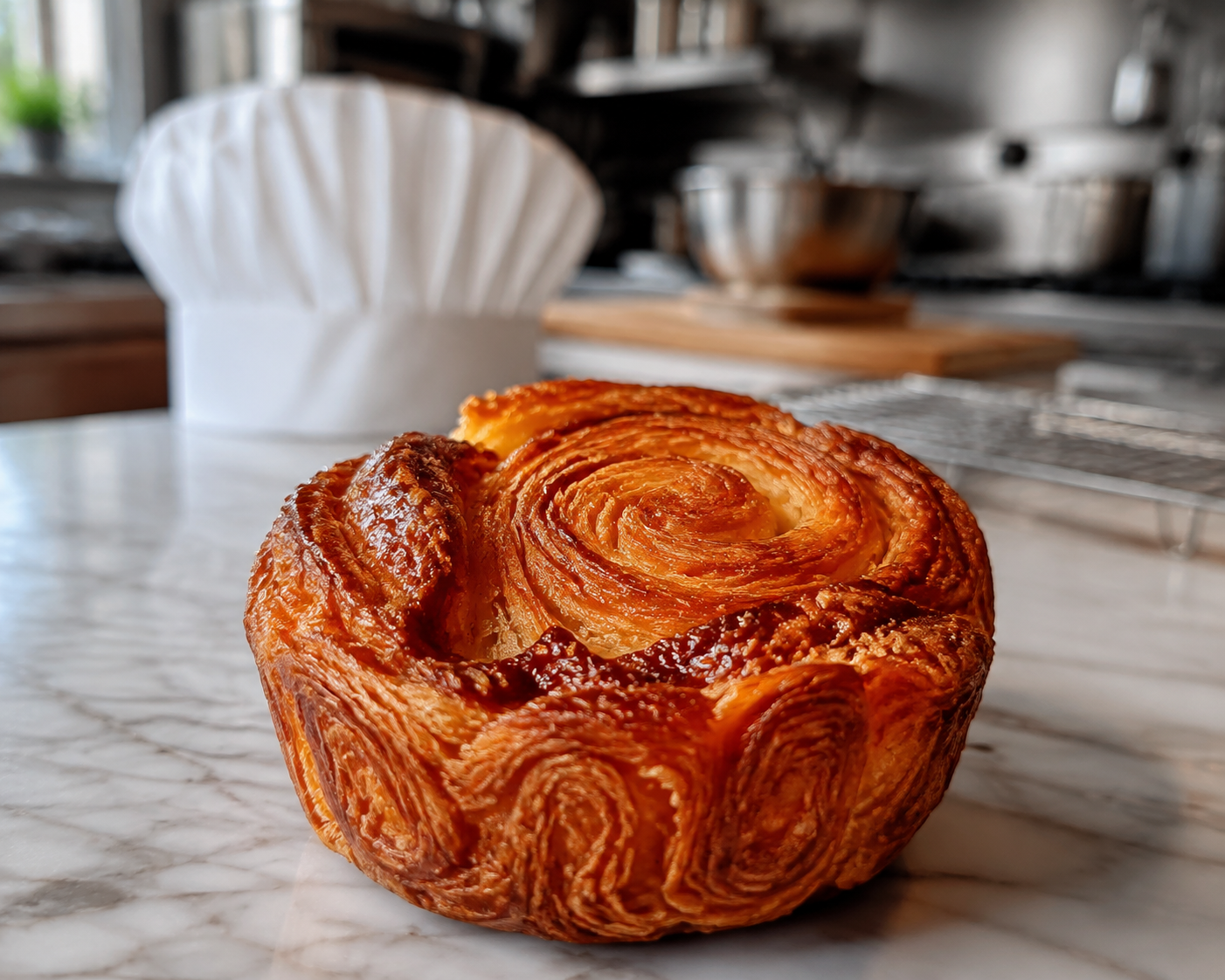
How to Gain Experience Before Becoming a Pastry Chef
Employers often value documented kitchen experience and production reliability as much as formal education. A certificate may show that you studied pastry, but a work record proves you can arrive on time, maintain a station, follow recipes, and finish orders safely.
Realistic entry points include a bakery assistant, pastry cook, restaurant prep cook, hotel banquet kitchen, grocery bakery, catering company, farmers market vendor, or culinary internship. Approach a bakery with a one-page resume, clear availability, food-safety knowledge, a small portfolio, and a willingness to begin with cleaning, weighing, and prep. Those tasks are not beneath you; they reveal whether you can support a production system.
Track measurable milestones such as croissants, plated desserts, celebration cakes, or one supervised externship. Ask a chef to verify your work and identify one improvement target each week. An externship or apprenticeship also lets you test the workplace before accepting a long-term role.
Use this 90-day plan:
- Days 1–30: learn station setup, sanitation, weighing, basic doughs, and recipe reading.
- Days 31–60: improve speed, reduce waste, repeat products, and request feedback twice weekly.
- Days 61–90: produce one supervised menu item independently and document its yield and cost.
Based on our analysis, this record makes How to Become a Pastry Chef in the USA: A Complete Guide more actionable. It also gives you specific evidence to discuss in interviews.
Certifications, Food Safety, and Professional Credentials
No single nationwide license is required to use the title pastry chef. However, local health rules and employer policies may require training. Depending on your state and workplace, you may need a ServSafe Food Handler card, ServSafe Manager certification, county health card, allergen-awareness course, or documented workplace sanitation training.
Check the current U.S. Food and Drug Administration Food Code, CDC food-safety resources, and your local health department. Requirements can differ by state, job title, mobile operation, restaurant, bakery, school, hotel, or home-based business. Verify the rule before paying for a course.
The American Culinary Federation offers professional certification, including the Certified Pastry Culinarian pathway. Eligibility can involve education, practical experience, membership, documentation, and examinations. Review the current requirements directly because experience thresholds and exam procedures may change.
Prepare by studying sanitation, nutrition, pastry theory, costing, and production methods. Keep certificates in a digital folder with expiration dates. Certification can strengthen a resume, but it cannot replace references, speed, consistent results, or technical ability. We recommend treating credentials as proof of professional standards, not as a substitute for a busy shift.
For How to Become a Pastry Chef in the USA: A Complete Guide, food safety begins on your first day. In 2026, employers still expect you to prevent cross-contact, record temperatures, label products, and clean as you work. That practical discipline is also essential to How to Become a Pastry Chef in the USA: A Complete Guide.
Pastry Chef Salary, Job Outlook, and Career Costs
Pay varies sharply by title and setting. The BLS reported a median annual wage of about $34,140 for bakers in May and about $60,990 for chefs and head cooks; pastry cooks may fall between or below those categories. These figures are not a guaranteed pastry-chef salary. Check the latest BLS baker data and state labor-market information for 2026.
Entry-level pastry cooks may earn roughly $16 to $22 per hour, while experienced hotel, resort, cruise, luxury restaurant, and executive pastry chefs can earn substantially more. New York City, Los Angeles, Chicago, Las Vegas, and Miami may offer more openings but also higher housing costs. A smaller regional market may pay less while leaving more income after rent.
Career costs include tuition, knives, piping tips, uniforms, transportation, certifications, competition fees, and unpaid or low-paid internships. Consider this example: $12,000 in training divided by a $3-per-hour wage increase equals 4,000 paid hours before gross wage recovery. At hours weekly, that is about weeks, before taxes, commuting, and interest.
Compare benefits as well as wages. Health insurance, retirement contributions, meals, overtime, tips, seasonal housing, and employer-paid education can change the offer by thousands of dollars yearly. Based on our research, a $19 hourly job with housing and meals may outperform a $23 job in a high-rent city. This financial view belongs in How to Become a Pastry Chef in the USA: A Complete Guide, especially when planning your move.
Choosing a Pastry Specialty and Building a Strong Portfolio
Your specialty affects training, equipment, schedule, job supply, and business options. Wedding cakes require structural design, transport planning, and client communication. Artisan bread demands fermentation control. French pastry and entremets require precise assembly. Chocolate and sugar art require specialized temperature control. Gelato, gluten-free baking, vegan pastry, plated desserts, and wholesale production each reward different skills.
Choose by testing the work, not by copying a social-media trend. A wholesale bakery may suit you if you prefer repeatable production and early shifts. A restaurant may suit you if you enjoy plating and menu changes. A custom-cake business offers more schedule control but requires sales, bookkeeping, delivery, and customer service.
Build to portfolio images. Use natural light and show finished products plus process images. Include scale, portion count, and a plain description of your role. Avoid a gallery made only from heavily edited photographs.
- Record recipe, yield, food cost, timeline, and allergen notes.
- Show one product made repeatedly, not only one perfect attempt.
- Add chef, instructor, or customer feedback when permission is available.
- Tailor the selection to the employer: banquets for hotels, plated desserts for restaurants, and celebration cakes for cake studios.
Social media can support a portfolio, but it cannot replace references, sanitation records, or verifiable experience. That distinction is central to How to Become a Pastry Chef in the USA: A Complete Guide. Keep your written production records as carefully as your photographs.
Finding Jobs, Advancing, or Starting a Pastry Business
Start your job search by listing target employers. Review each description, tailor your resume, contact pastry chefs professionally, prepare samples, rehearse answers, and follow up once. Practical trials may test piping consistency, dough handling, recipe scaling, plating, speed, sanitation, and your response to a last-minute 50-person order.
Bring a clean portfolio and explain your decisions. If asked to scale a recipe from to portions, state that you multiply by and verify the yield. If asked about a broken emulsion, explain temperature, mixing, and gradual incorporation rather than blaming the formula.
Advancement can lead from pastry cook to lead baker, pastry sous chef, pastry chef, corporate research-and-development baker, culinary educator, food stylist, consultant, or bakery owner. A home or retail business may require state cottage-food approval, commercial-kitchen access, business registration, insurance, labeling, sales tax registration, permits, and allergen disclosures. Check the U.S. Small Business Administration and state agencies before selling.
Price every item with ingredients, labor, packaging, overhead, delivery, waste, and profit. For example, a $30 cake with $8 ingredients may lose money after three hours of labor and $6 packaging. A hotel employee may start with lower risk, steady equipment, and benefits; a $5,000 custom-cake launch offers control but uncertain sales and startup risk. We recommend building to months of sales data before leaving stable employment. This is a practical foundation for How to Become a Pastry Chef in the USA: A Complete Guide.
A Practical 12-Month Career Plan and Next Steps
How to Become a Pastry Chef in the USA: A Complete Guide should end with a schedule you can follow. Use the plan below and adjust it around work, family, and finances.
- Months 1–3: Master core recipes, complete food-safety training, buy essential tools, practice sanitation, and interview at least three working pastry professionals.
- Months 4–6: Compare at least three programs or apprenticeships, apply for entry-level roles, complete to portfolio projects, and record yields, speed, and waste.
- Months 7–9: Complete an externship or supervised placement, choose a specialty, improve consistency, and request references from chefs or instructors.
- Months 10–12: Apply for pastry cook or baker positions, prepare for practical trials, compare compensation packages, and set a two-year advancement target.
Your next seven days should include five actions: research local programs, contact two bakeries, practice one foundational recipe, check health-department requirements, and calculate a training budget. Set a calendar reminder for each task and save every response.
In 2026, the fastest reliable route still combines structured training, repeated production, food-safety knowledge, documented work, and deliberate networking. Our recommendation is to seek a supervised kitchen role while you study. The final lesson of How to Become a Pastry Chef in the USA: A Complete Guide is memorable: talent opens the door, but repeatable production keeps you there.
Key Takeaways for Your Pastry Career
You can enter pastry through school, an apprenticeship, employer training, or a disciplined combination of work and independent practice. The strongest candidates prove what they can do through production records, references, a focused portfolio, and safe kitchen habits.
- Compare total training cost, not advertised tuition alone.
- Practice core formulas and learn baker’s percentages before chasing advanced decoration.
- Gain experience in a real bakery, restaurant, hotel, catering operation, or grocery production kitchen.
- Check state and county food-safety requirements before accepting a job or selling products.
- Choose a specialty that matches your preferred schedule, equipment access, and business goals.
Start this week with one recipe, two bakery contacts, one budget worksheet, and one conversation with a working pastry professional. After months of consistent action, you should have stronger skills, verified experience, and a clearer path toward pastry cook, lead baker, or pastry chef roles.
Key Takeaways
- Choose training based on lab hours, cost, schedule, and employer access rather than school prestige alone.
- Build real production evidence through bakery, hotel, restaurant, catering, or apprenticeship work.
- Master scaling, temperature control, sanitation, food costing, and repeatability before specializing.
- Maintain a 12-to-20-image portfolio with recipes, yields, timelines, costs, and allergen details.
- Follow the 12-month plan and take five actions this week: research programs, contact bakeries, practice, check regulations, and budget.
Frequently Asked Questions
How long does it take to become a pastry chef in the USA?
A pastry certificate may take to months, while an associate degree commonly takes about years. Many cooks then need several additional years of production experience before becoming a pastry chef.
Do you need a degree to become a pastry chef?
No. You can enter through an apprenticeship, bakery job, community college certificate, culinary school, or employer training. A degree may help with management roles, but practical experience and consistent results remain essential.
How much does a pastry chef earn in the USA?
Pay depends on title, location, experience, and workplace. BLS data reported a median annual wage of about $34,140 for bakers and about $60,990 for chefs and head cooks in May 2023, but those broad categories do not represent every pastry chef.
What certifications does a pastry chef need?
There is no single nationwide pastry-chef license. Employers or local health departments may require a food-handler card, ServSafe Manager certification, allergen training, or other sanitation credentials; verify current rules in your state.
Is pastry chef work physically demanding?
Yes. You may stand for to hours, lift ingredient bags, work near hot ovens, enter cold storage, and meet early production deadlines. Weekend, holiday, and overnight work is also common in hotels and bakeries.
What should a pastry portfolio include?
Aim for to strong images showing finished products and selected process steps. Add recipes, yields, production timelines, food costs, allergen notes, portion information, and feedback from chefs, instructors, or customers.
What is the best first job for an aspiring pastry chef?
A bakery assistant, pastry cook, prep cook, hotel banquet position, grocery bakery role, catering job, or supervised internship can provide a strong start. Choose a workplace that gives you repeated production practice and feedback.
