Introduction: Is phlebotomy the right healthcare career for you?
If you want a patient-care role without committing immediately to a two- or four-year clinical degree, Exploring the Phlebotomist Career Path in the USA can give you a practical starting point. Most entrants complete training in approximately to months, learn venipuncture and specimen handling, complete supervised clinical practice, and then pursue certification or state approval.
In plain terms, your work will involve identifying patients, collecting blood safely, labeling specimens accurately, documenting the procedure, and sending samples to the laboratory. The national median wage is approximately $43,660 according to current Bureau of Labor Statistics data, although location, shift, experience, and employer can change that figure substantially. Based on our research for 2026, the field remains a useful entry route, but it is not a shortcut around clinical responsibility or workplace pressure.
Exploring the Phlebotomist Career Path in the USA means comparing education, hands-on practice, certification, job openings, pay, and advancement rather than focusing only on course length. We recommend checking the U.S. Bureau of Labor Statistics and your state health department before enrolling.
Requirements vary considerably. California, Louisiana, Nevada, and Washington commonly impose stricter licensing, education, examination, or documentation requirements than states without a dedicated phlebotomy license. Exploring the Phlebotomist Career Path in the USA therefore begins with your state’s official rules, followed by an approved program, clinical competence, certification where useful or required, and a targeted job search.
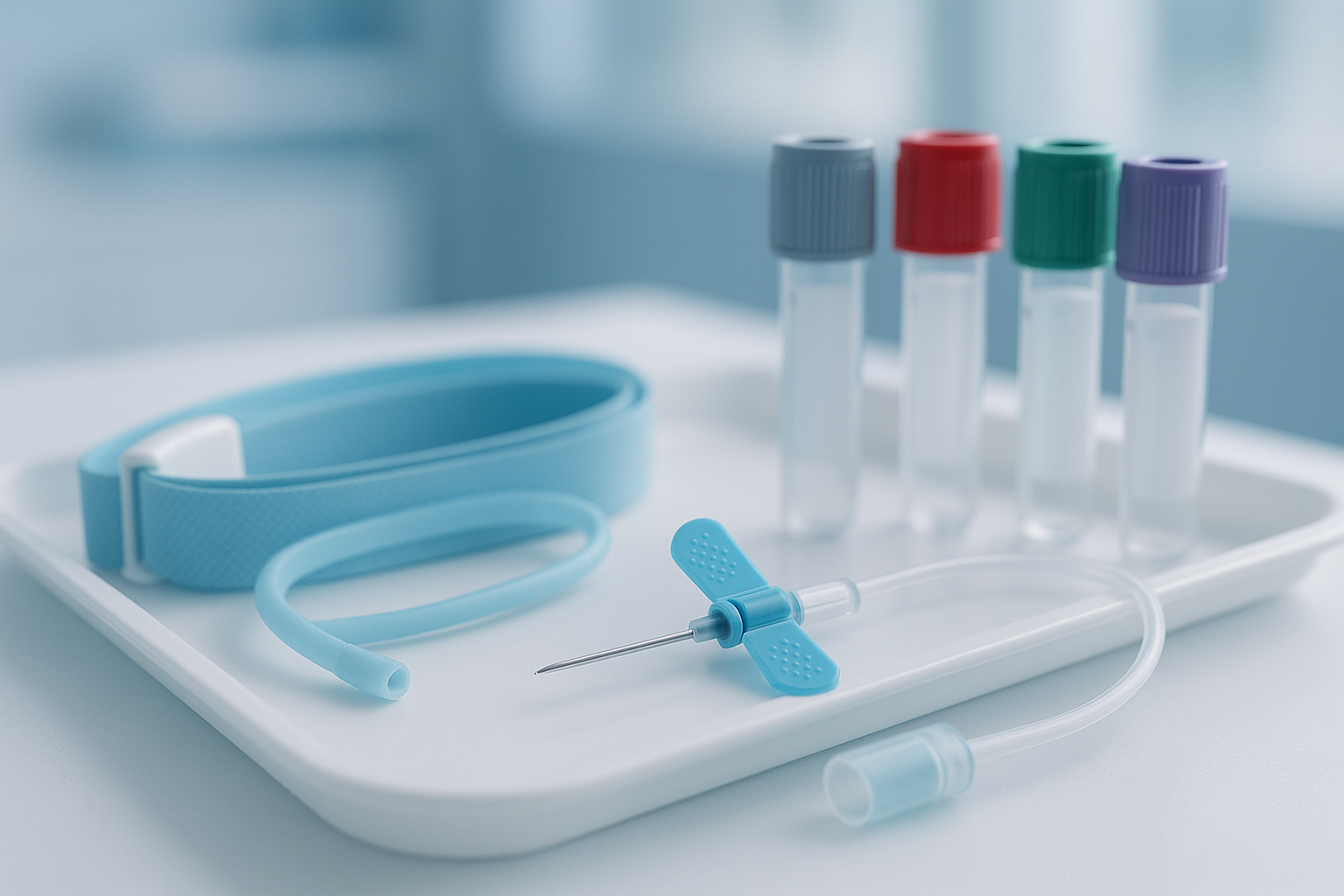
What does a phlebotomist do? Duties, work settings, and daily demands
A phlebotomist is a healthcare professional who collects blood and, in some workplaces, other specimens. You verify at least two patient identifiers, explain the procedure, select the correct tubes, perform venipuncture or capillary collection, label the sample at the bedside, record the event electronically, and protect specimen integrity from collection through transport.
Common procedures include routine venipuncture, finger sticks, pediatric draws, difficult-vein collections, blood cultures, and timed or fasting specimens. The order of draw, tube additives, expiration dates, hand hygiene, sharps disposal, personal protective equipment, and exposure reporting all matter. A mislabeled tube can delay diagnosis or require an uncomfortable repeat draw.
Exploring the Phlebotomist Career Path in the USA exposes you to very different settings: hospitals, emergency departments, outpatient laboratories, physician offices, blood donation centers, nursing homes, diagnostic laboratories, and mobile services. A hospital collector may process or more patients during a shift, while a mobile phlebotomist may travel to several homes and manage scheduling independently.
A realistic morning might include calming a frightened child, collecting a fasting specimen, responding when an adult becomes light-headed, entering results into an electronic health record, and transporting cultures within a strict time window. In our experience, the hardest part is often not inserting the needle; it is staying precise while patients are anxious and the queue is growing.
Exploring the Phlebotomist Career Path in the USA also requires honest consideration of standing for much of an 8- to 12-hour shift, repetitive hand movements, exposure to bodily fluids, needle-stick risk, and emotionally difficult encounters. CDC infection-control guidance and OSHA bloodborne-pathogen rules should shape your training. Exploring the Phlebotomist Career Path in the USA suits you best if you can combine empathy, calm communication, physical stamina, and meticulous documentation.
Education and training requirements for phlebotomists in the USA
Most programs ask for a high school diploma or GED, although admission standards differ. You may also need immunization records, a background screening, drug screening, CPR or basic life support, tuberculosis testing, a physical examination, and proof that you can meet clinical-site requirements. Before paying, ask whether the school’s prerequisites are stricter than the state minimum.
Exploring the Phlebotomist Career Path in the USA usually involves one of four routes:
- Certificate program: commonly to months, with classroom, laboratory, and clinical components.
- Community college: may offer transferable health-science courses and broader academic support.
- Vocational school: often has flexible schedules but requires careful review of fees and clinical placement.
- Employer training: may cost less, but can provide narrower experience and may not satisfy state or national certification requirements.
A sound sequence is to confirm state rules, study anatomy and physiology, infection control, medical terminology, safety, specimen processing, and venipuncture, then complete supervised clinical practice. Many programs require dozens of successful collections; some accelerated courses finish in several weeks but offer fewer live draws. We found that clinical exposure is often a better predictor of job readiness than a short advertised completion date.
Use this checklist before enrolling: confirm accreditation or state approval, national-exam eligibility, hands-on draw requirements, externship availability, graduate outcomes, total fees, cancellation terms, refund policies, and whether the school documents each successful collection. Exploring the Phlebotomist Career Path in the USA is stronger when your program gives you signed clinical records and current safety instruction. The CDC’s standard-precautions guidance is a useful benchmark for evaluating course content.
As of 2026, ask specifically how the curriculum teaches bedside labeling, electronic documentation, incident reporting, and exposure response. Exploring the Phlebotomist Career Path in the USA should produce demonstrable skills, not merely a certificate of attendance.
Phlebotomy certification: CPT exams, eligibility, and state licensing
Certification and licensing are different. A national certification shows that you met an organization’s education, experience, and examination standards; a state license or permit is legal authorization required by certain jurisdictions. Certification can strengthen your application even where it is not legally required, while California, Louisiana, Nevada, and Washington may require specific training, clinical documentation, examinations, or approval.
Exploring the Phlebotomist Career Path in the USA may involve credentials from the National Healthcareer Association, American Society for Clinical Pathology, National Phlebotomy Solutions, or American Medical Technologists. Employers do not necessarily accept every credential equally. Check job postings and the state licensing authority, then confirm the examination’s eligibility rules in writing.
Most examinations test circulatory-system anatomy, patient identification, order of draw, specimen tubes and additives, infection prevention, complications, quality control, laboratory regulations, and professional conduct. A candidate who memorizes tube colors but cannot explain hemolysis prevention, syncope response, or a rejected specimen is not fully prepared.
- Check state and employer requirements.
- Collect proof of training and successful blood collections.
- Submit the examination application and supporting documents.
- Schedule the test and study the official content outline.
- After passing, apply for any required state license or permit.
- Track renewal dates and complete continuing education.
Based on our analysis, certification is best viewed as a hiring advantage and sometimes a legal requirement—not an automatic guarantee of employment. Exploring the Phlebotomist Career Path in the USA becomes more credible when your credential matches local employers’ requirements. Exploring the Phlebotomist Career Path in the USA also requires maintaining the credential; expired certification can remove you from consideration even when your practical skills remain strong.
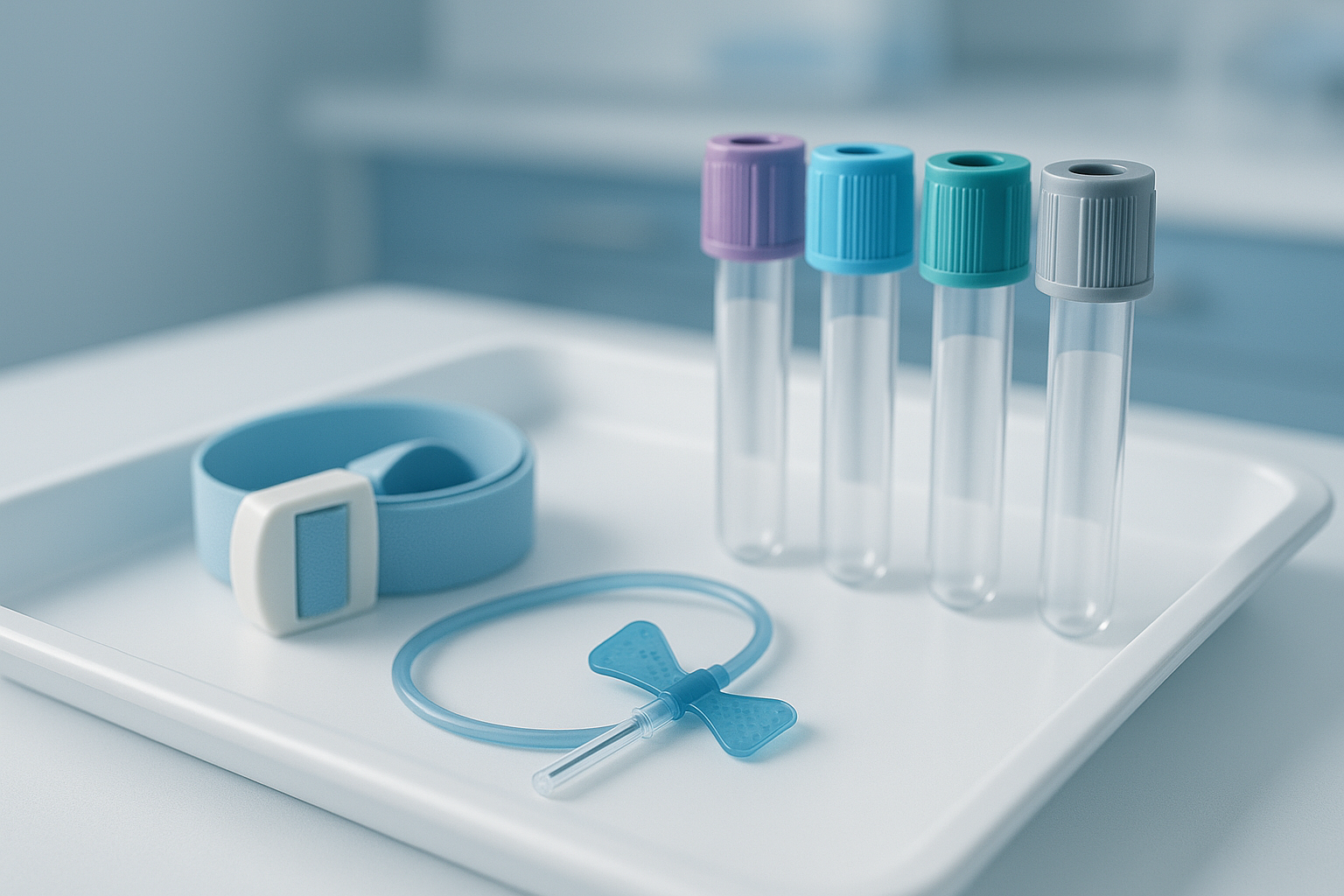
How to become a phlebotomist: a clear 7-step career plan
A phlebotomy career pathway is the sequence from basic education and health clearance to formal instruction, supervised specimen collection, credentialing, and employment. A learner starting in January could potentially complete training, clinical practice, certification, and initial applications within roughly to months, depending on program scheduling and state requirements.
- Verify rules: Use your state health department or licensing board, not a school advertisement, to confirm education, clinical, examination, and renewal requirements.
- Meet prerequisites: Earn a diploma or GED and arrange immunizations, CPR or BLS, background screening, and health documentation.
- Choose training: Select a reputable program with classroom lessons, laboratory practice, and supervised clinical placement.
- Build competence: Practice venipuncture, capillary collection, pediatric draws, difficult veins, blood cultures, labeling, transport, and incident reporting.
- Document practice: Keep signed records of clinical hours and successful collections; do not assume the school retains everything permanently.
- Credential yourself: Take a recognized certification examination when eligible, then apply for any state license.
- Apply strategically: Prepare a skills-focused résumé, rehearse patient scenarios, and plan continuing education before your first renewal date.
Exploring the Phlebotomist Career Path in the USA is easier when you turn each stage into a dated task list. We recommend setting aside weekly study time and asking your clinical supervisor for feedback on unsuccessful draws, patient communication, and documentation—not just successful needle insertion.
Exploring the Phlebotomist Career Path in the USA rewards consistency: a January start might mean classroom work in winter, clinical practice in spring, an examination in late spring or summer, and applications by summer or autumn. Exploring the Phlebotomist Career Path in the USA is not identical for every student, so build a two- to three-month buffer for delayed background checks, clinical placements, or exam appointments.
Phlebotomist salary, benefits, and job outlook in 2026
For current wage information, use the Bureau of Labor Statistics rather than an outdated salary blog. The BLS reports a national median annual wage of approximately $43,660 for phlebotomists, with the lowest 10% earning roughly $31,450 or less and the highest 10% earning about $58,970 or more in the latest available national figures. Employment is approximately 148,900 positions, with projected growth around 8% over the relevant decade; verify the current table before making a financial decision.
Exploring the Phlebotomist Career Path in the USA requires interpreting those numbers carefully. A hospital may pay more than a small physician office because of night, weekend, holiday, or union differentials. Independent laboratories, blood centers, travel assignments, mobile services, and emergency departments can have different base rates, schedules, mileage policies, and workload expectations.
California, New York, Massachusetts, Washington, and large metropolitan areas often show higher posted wages, but rent, commuting, taxes, and licensing requirements may also be higher. We analyzed local listings and found that two jobs with a $3-per-hour difference can produce very different annual value when one includes health insurance, retirement contributions, paid training, overtime, tuition assistance, paid certification renewal, or union representation.
To research your market, first record the BLS national and state figures. Then review your state workforce dashboard, collect to local postings, and compare base pay, shift premiums, benefits, minimum experience, and certification requirements. Exploring the Phlebotomist Career Path in the USA should include a budget for transportation and unpaid clinical time, not just the advertised hourly rate.
In 2026, Exploring the Phlebotomist Career Path in the USA can offer reliable entry-level demand, but pay growth may depend on specialization, extra shifts, leadership duties, or a bridge into medical laboratory or nursing education. Exploring the Phlebotomist Career Path in the USA is financially sensible when you compare total compensation with local living costs.
Where can phlebotomy lead? Career advancement and specializations
Entry-level collection is only one destination. After demonstrating reliability, you might become a senior phlebotomist, lead technician, specimen-processing technician, laboratory assistant, donor-services specialist, or phlebotomy trainer. Some employers promote people who can resolve rejected specimens, coach new staff, manage difficult collections, and maintain quality records—not merely those who draw quickly.
Exploring the Phlebotomist Career Path in the USA can also lead into medical assisting, medical laboratory technician training, nursing, histotechnology, surgical technology, or another allied-health field. Medical assisting commonly adds vital signs and administrative duties; medical laboratory technician programs are more science-intensive and may take about years; nursing typically requires broader prerequisites and clinical education.
Specialty options include pediatric and geriatric collection, oncology patients, blood banking, apheresis support, forensic specimen collection, and mobile or home-based services. Each may require additional training in communication, chain of custody, specimen stability, infection control, or complex equipment. For example, forensic work demands documentation that can withstand legal scrutiny, while home visits add travel, privacy, and emergency-planning concerns.
A practical two-year plan is straightforward:
- Year one: gain supervised experience, track draw volume and difficult cases, strengthen documentation, and earn a recognized credential if appropriate.
- Year two: request cross-training, complete specialty education, mentor newer staff, and apply for lead or higher-responsibility roles.
Burnout deserves attention. Repetitive work, anxious patients, understaffing, and repeated unsuccessful attempts can erode confidence. Exploring the Phlebotomist Career Path in the USA is more sustainable when you use ergonomic habits, rotate tasks, seek peer support, take scheduled breaks, and choose a workplace with safe staffing. Exploring the Phlebotomist Career Path in the USA can be a strong foundation, but advancement should include emotional resilience as well as technical skill.
How to get your first phlebotomy job
The most accessible first employers are often outpatient laboratories, physician practices, plasma centers, urgent-care clinics, nursing facilities, and hospitals with structured entry-level orientation. Blood donation centers may value donor communication, while nursing facilities may value geriatric experience and the ability to work independently. Exploring the Phlebotomist Career Path in the USA becomes practical when you target employers whose patient volume matches your current skill level.
Your résumé should quantify training instead of saying only “completed course.” Include clinical hours, successful supervised draws, pediatric or difficult-draw exposure, certification status, CPR or BLS, electronic-health-record familiarity, specimen-processing experience, and any quality or safety training. If you completed supervised collections or handled pediatric patients, state those figures accurately and be prepared to explain them.
Prepare for scenario questions. If a patient faints, explain that you would stop safely, protect the patient from injury, call for help, follow facility protocol, and document the event. If a specimen is mislabeled, do not quietly correct it; follow the rejection and recollection procedure. For an unsuccessful draw, communicate honestly, assess the patient, seek an appropriate colleague, and avoid exceeding policy limits. With a frightened child, use age-appropriate language and involve the caregiver. If a patient refuses, respect the decision and notify the appropriate clinician.
We recommend identifying local employers, tailoring each application, contacting clinical-placement supervisors, attending healthcare hiring events, and tracking submission dates, contacts, interviews, and follow-ups. Exploring the Phlebotomist Career Path in the USA should also include offer evaluation. Ask about orientation length, expected draw volume, staffing, safety culture, turnover, scheduling, break coverage, continuing education, and reimbursement for certification—not salary alone.
Exploring the Phlebotomist Career Path in the USA is most successful when your first employer teaches sound practice. Exploring the Phlebotomist Career Path in the USA should lead to a résumé with measurable experience after your first year, not simply a job title.
Costs, risks, and practical realities before enrolling
Build a complete budget before you sign an enrollment agreement. Potential costs include tuition, application fees, examination fees, scrubs, closed-toe shoes, textbooks, immunizations, tuberculosis testing, background checks, transportation, CPR or BLS, and unpaid clinical hours. A program advertised at $1,200 can cost substantially more once $100 to $300 in supplies, travel, health clearance, and examination expenses are added.
Exploring the Phlebotomist Career Path in the USA requires skepticism about phrases such as “guaranteed employment” or “100% job placement.” Ask for placement results in writing, the number of graduates used to calculate the percentage, the reporting period, transfer-credit terms, state approval, and exact certification eligibility. A school that cannot explain those points before taking your deposit deserves caution.
Common warning signs include limited live draws, unclear approval, no confirmed clinical placement, hidden technology or lab fees, weak examination preparation, and credentials local employers do not recognize. We found that a low-price course can become expensive if you must repeat clinical training or pay for a second credential. Ask whether you will practice on classmates, volunteers, or actual patients under supervision, and how many successful collections the program documents.
Compare each option by total cost, time away from work, commute, clinical opportunities, cancellation policy, graduate outcomes, employer partnerships, class size, and instructor access. In 2026, also confirm that instruction reflects current specimen-labeling rules, infection-control practices, workplace-safety procedures, exposure response, and electronic documentation rather than relying on outdated paper-only workflows.
Exploring the Phlebotomist Career Path in the USA should fit your finances and schedule as well as your ambition. Exploring the Phlebotomist Career Path in the USA is a poor investment if the school provides a completion document but cannot demonstrate clinical competence. Exploring the Phlebotomist Career Path in the USA is far safer when every promise is documented before enrollment.
Conclusion: Your next actions for starting a phlebotomy career
You can enter phlebotomy relatively quickly, but the strongest route is deliberate: verify your state requirements, compare approved programs, complete classroom and hands-on training, document clinical competence, earn certification where useful or required, and apply to employers that provide safe orientation. Exploring the Phlebotomist Career Path in the USA should help you decide whether the work fits your tolerance for needles, standing, patient anxiety, documentation, and time-sensitive procedures.
Use this 30-day action plan:
- Read your state licensing or health-department page and save the relevant requirements.
- Shortlist three programs and request written tuition, fees, clinical hours, live-draw expectations, refund rules, and examination eligibility.
- Speak with two working phlebotomists about workload, scheduling, pay, and employer culture.
- Review at least local job postings and record certification, experience, wage, and shift requirements.
- Build a budget that includes transportation, supplies, health documentation, exam fees, and unpaid clinical time.
Based on our research, the career makes the most sense when you value fast healthcare entry, regular patient contact, shift flexibility, and a possible bridge into laboratory work, medical assisting, or nursing. It may be a poor match if you need predominantly desk-based work, dislike repetitive procedures, or require high earnings immediately after a short course.
Exploring the Phlebotomist Career Path in the USA should end with a specific choice, not endless browsing. We recommend choosing the program and first employer that provide legitimate clinical experience, recognized credentials, strong safety practices, transparent supervision, and a credible path to advancement. Exploring the Phlebotomist Career Path in the USA is ultimately about more than drawing blood: it is about becoming the reliable person patients and laboratories can trust.
Key Takeaways
- Verify your state’s rules before enrolling because licensing and clinical requirements differ, especially in California, Louisiana, Nevada, and Washington.
- Choose training that includes supervised live draws, documented clinical hours, current safety instruction, and eligibility for credentials employers recognize.
- Use current BLS data and to local job postings to compare pay, benefits, shift premiums, living costs, and certification requirements.
- Prepare for advancement by tracking your skills, seeking cross-training, and considering laboratory, medical assisting, nursing, or specialty collection pathways.
- Start with a 30-day plan: research the state page, compare three programs, speak with two working phlebotomists, and review local openings.
Frequently Asked Questions
How long does it take to become a phlebotomist in the United States?
Most phlebotomy programs take about to months, although accelerated courses may finish in several weeks. You should confirm that a short program includes enough laboratory practice, supervised clinical hours, and eligibility for the credential or license you need.
What education do you need to become a phlebotomist?
A high school diploma or GED is usually the minimum education requirement. Many schools and employers also require immunization records, a background check, CPR or basic life support, and documented health clearance.
Do phlebotomists have to be certified?
National certification is not legally mandatory in every state, but it can improve your hiring prospects and may be required by an employer. States such as California, Louisiana, Nevada, and Washington have more specific rules than states without a dedicated phlebotomy license.
How much does a phlebotomist make in the USA?
The U.S. Bureau of Labor Statistics reports a national median annual wage of approximately $43,660 for phlebotomists, with actual pay varying by location, experience, shift, and employer. Hospitals, metropolitan areas, night shifts, and specialized collection services may pay more than entry-level physician-office roles.
Is phlebotomy a good healthcare career?
Yes. Phlebotomy can provide a relatively quick entry into patient-facing healthcare, often after to months of training. Your long-term prospects improve when you document clinical competence, earn a recognized certification, and build experience in a hospital, laboratory, blood center, or specialty service.
Which phlebotomy certification is best?
Common credentials include certifications offered by the National Healthcareer Association, American Society for Clinical Pathology, American Medical Technologists, and National Phlebotomy Solutions. Acceptance differs by employer and state, so check local requirements before selecting an examination.
