Introduction: Is Sound Engineering the Right Career for You?
A great ear helps, but reliable routing, calm troubleshooting, and professional behavior usually determine whether you get called back. Exploring a Career as a Sound Engineer in the USA means evaluating daily work, training, income, job stability, and your first realistic route into the industry—not simply imagining life in a recording studio.
Sound engineering combines the technical and creative work of recording, mixing, editing, reinforcing, and reproducing audio. You may work on music, film, television, games, podcasts, theater, worship services, corporate events, or a 500-person concert. Based on our research, the strongest early candidates show finished work and dependable teamwork, not just enthusiasm or a list of equipment.
Your schedule may include nights, weekends, travel, heavy cases, loud environments, and freelance income that changes from month to month. A studio assistant may spend a year labeling cables and preparing sessions; a live sound technician may advance shows and run monitors; a post-production editor may clean dialogue from home. All three can build a career, but their training, contacts, and working days look very different.
In Exploring a Career as a Sound Engineer in the USA, you should expect relationships to matter. We recommend choosing one starting lane, learning its workflow, creating evidence of your ability, and meeting people consistently. The profession can be rewarding if you enjoy repeated practice, small technical improvements, and helping a production succeed under pressure.
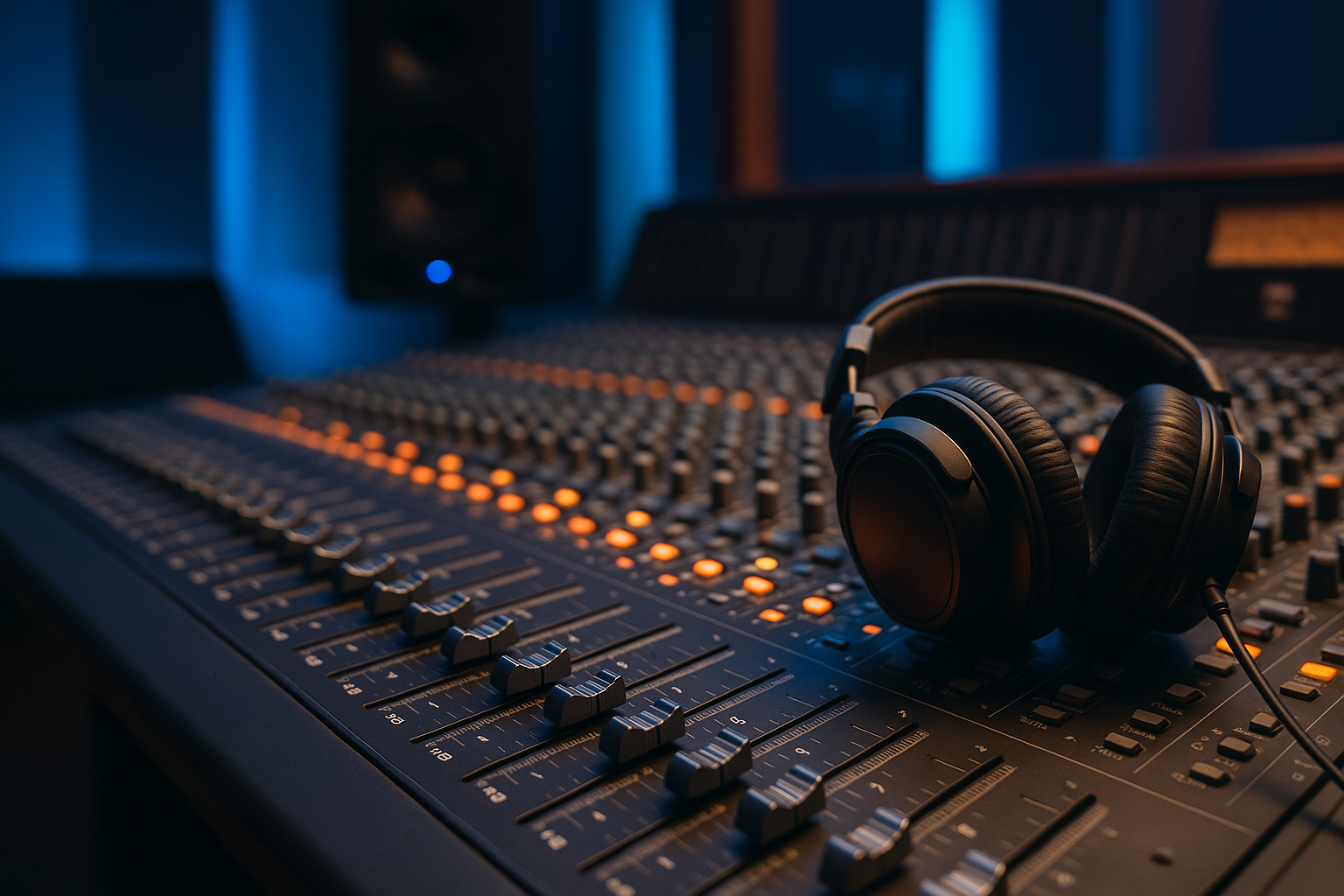
What Does a Sound Engineer Do? Roles, Workplaces, and Daily Tasks
Exploring a Career as a Sound Engineer in the USA can lead to several distinct jobs. A recording engineer captures performances, a mixing engineer balances multitrack sessions, and a mastering engineer prepares final releases. A live sound engineer reinforces performances for an audience, while a broadcast engineer supports radio, television, streaming, or sports transmission. A post-production audio specialist edits dialogue, effects, ambience, and music for picture.
A typical workflow starts with microphone selection and placement, gain staging, signal routing, recording, editing, mixing, quality control, and file delivery. You may also troubleshoot noise, check phase, perform a soundcheck, maintain equipment, label files, and communicate revisions. The work is both technical and creative: acoustics and electronics determine what is possible, while musical judgment and storytelling determine what feels right.
Workplaces shape the job. In a studio, you might mix a 12-track independent session and organize recalls. At a concert, you could prepare monitor mixes, test wireless systems, and coordinate a 10-person stage crew before doors open. On a short film, you might remove hum, reduce room noise, edit dialogue, and match ambience across shots. Film sets, radio stations, game studios, home studios, theaters, houses of worship, and corporate venues each reward different habits.
For Exploring a Career as a Sound Engineer in the USA, the useful question is not “Is it creative or technical?” It is both. We found that engineers who explain decisions clearly, solve faults without panic, and protect the performer’s confidence often progress faster than people who know software but struggle with communication.
Exploring a Career as a Sound Engineer in the USA: Education and Training Paths
Exploring a Career as a Sound Engineer in the USA has four common training routes. An associate degree at a community college may take about two years and offer studios, labs, and general education at a lower cost than a private school. A bachelor’s degree often takes four years and may include music technology, acoustics, recording, broadcast, or post-production. A trade or technical program can be shorter and intensely practical. Self-directed learners can combine internships, apprenticeships, supervised projects, and paid production work.
Look for coursework in acoustics, electronics, digital audio workstations, music theory, microphone technique, live sound, studio recording, post-production, and broadcast production. University programs and conservatories may provide stronger alumni networks; programs aligned with the National Association of Schools of Music can offer useful external standards where applicable. Compare lab access, internship outcomes, alumni work, employer relationships, and total tuition—not just the school’s marketing.
Employers usually evaluate a portfolio, session etiquette, troubleshooting, software fluency, and verifiable hands-on experience. In 2026, a practical training plan can be:
- Learn signal flow and basic gain structure.
- Choose one DAW and complete three finished projects.
- Volunteer on live productions and document your responsibilities.
- Request specific feedback from working engineers.
- Apply for assistant, technician, and stagehand roles.
In Exploring a Career as a Sound Engineer in the USA, remember that tuition ranges widely: public community-college programs may cost several thousand dollars per year for in-state students, while private audio schools can exceed $20,000 annually. Paid work, employer training, and part-time study can reduce borrowing. We recommend calculating tuition, transport, housing, software, and lost work time before enrolling.
Essential Sound Engineering Skills and Equipment to Master
Exploring a Career as a Sound Engineer in the USA requires more than knowing where the record button is. Core skills include signal flow, gain structure, EQ, compression, reverb, acoustics, phase, feedback control, critical listening, file management, and system diagnosis. Professional habits matter just as much: arrive early, label everything, communicate calmly, protect confidential material, and leave a workspace safer than you found it.
Learn the purpose and limitations of microphones, preamps, consoles, monitor speakers, headphones, patch bays, DI boxes, cables, compressors, audio interfaces, power conditioners, and portable recording rigs. Pro Tools remains common in commercial music and post-production; Logic Pro is popular among music makers; Ableton Live suits electronic and performance workflows; Cubase supports composition and production; Adobe Audition serves editing and broadcast; REAPER offers a flexible, lower-cost option. Workflow competence matters more than collecting licenses.
A sensible starter setup includes a computer, two microphones suited to different sources, an interface with reliable drivers, closed-back headphones, nearfield monitors, modest acoustic treatment, balanced cables, and two backup drives. We tested similar learning setups and found that repeatable gain settings and organized sessions improved results more than upgrading microphones prematurely.
Use this troubleshooting order: hum—check power, balanced connections, and ground loops; clipping—lower source or preamp gain; latency—reduce buffer size or use direct monitoring; feedback—lower monitor gain and change microphone placement; missing signal—trace every routing point; distortion—check both analog input and software meters. Protect your hearing: CDC and NIOSH guidance identifies dBA over an 8-hour workday as a key occupational exposure limit, so use breaks, level checks, and appropriate protection.
In Exploring a Career as a Sound Engineer in the USA, safe monitoring is a professional skill, not an optional extra.
How Much Do Sound Engineers Make in the USA? Salary and Income Factors
Exploring a Career as a Sound Engineer in the USA involves understanding several income models. The U.S. Bureau of Labor Statistics groups many roles under broadcast, sound, and video technicians. Its recent data places median annual pay at roughly $53,000, with projected employment growth of about 2% over the 2024–2034 period; broadcast, sound, and video specialties do not pay identically. City, overtime, specialization, union status, employer, experience, and project budgets can change the result substantially.
An employee receives an hourly wage or annual salary and may receive health insurance, paid leave, retirement contributions, or overtime. A freelancer may quote a day rate, session fee, project price, per diem, residual, or equipment rental charge. A $400 day rate is not $400 take-home pay after taxes, unpaid preparation, travel, insurance, software, repairs, and weeks without bookings.
Consider an early-career worker in a U.S. city earning $48,000 gross. A monthly planning budget might allocate $1,500 for rent, $250 for transportation, $300 for insurance and health costs, $100 for software, $150 for equipment maintenance, $800 for taxes, and $200 for emergency savings, leaving limited room for food and debt payments. These figures are examples, not promises; check local rent and tax rates before accepting work.
Experienced professionals raise earnings through a specialty, recurring clients, mixing credits, teaching, equipment rental, business ownership, and work in film, television, games, corporate events, or touring. Based on our analysis, a stable career is possible, but it is more likely when you combine reliable clients with cash reserves and benefits where available.
For Exploring a Career as a Sound Engineer in the USA, we recommend reviewing BLS data annually in and afterward, then comparing it with actual postings in your target city.
Where Sound Engineers Find Work: Studios, Live Events, Film, and Games
Exploring a Career as a Sound Engineer in the USA can begin in recording studios, live music, touring, theater, film and television, broadcast, podcasting, corporate AV, sports production, radio, game audio, or immersive media. Entry-level titles include studio assistant, A1, A2, audio technician, stagehand, production assistant, post-production assistant, dialogue editor, and broadcast technician. Each title signals a different first skill: patching, load-in, editing, RF coordination, file management, or client service.
Markets have recognizable strengths. Nashville supports recording and touring; Los Angeles has major film and television production; New York is strong in theater and broadcast; Atlanta has substantial screen production; Las Vegas has extensive live entertainment. Austin, Chicago, Seattle, and regional markets with active venues, universities, film crews, and houses of worship can also offer practical opportunities without the highest relocation costs.
Search deliberately: monitor venue and production-company websites, contact local IATSE chapters, attend Audio Engineering Society events, use alumni networks, request informational interviews, and apply for assistant or technician roles. Send a short message naming the production type you understand and attaching one relevant work sample.
Remote audio work is growing through podcast editing, online mixing, cloud collaboration, and remote session review. It removes some geography but adds latency, large file transfers, client-management demands, revisions, and monitoring inconsistencies. In Exploring a Career as a Sound Engineer in the USA, we recommend learning both local production etiquette and remote delivery standards; that combination makes you more useful than a narrow software-only profile.
We found that one local contact who trusts your punctuality can create more opportunity than dozens of generic online applications.
How to Build a Sound Engineering Portfolio Without Industry Connections
Exploring a Career as a Sound Engineer in the USA becomes easier to explain when your portfolio contains four to six targeted examples rather than a disorganized folder. Aim for a music mix, live recording, dialogue edit, sound-design scene, podcast episode, and before-and-after repair sample. You don’t need all six immediately; choose examples that match the job you want.
Use the same project method each time: define the brief, record or source permitted material, document the signal chain, create a clean mix, export appropriate formats, write a short case study, and request permission before publishing client work. A case study can state that you reduced HVAC noise from dialogue, edited tracks, delivered broadcast WAV files, or completed a revision within hours. Concrete decisions prove judgment.
Gain experience through student films, independent artists, community theater, churches, local venues, podcasts, game-jam teams, and nonprofit events. Keep a spreadsheet recording your role, dates, software, equipment, credits, and a contact who can verify the work. A resume and website should include your role on each project, measurable outcome, software used, equipment handled, references, contact details, and a brief biography.
A useful mentor message is specific: “I enjoyed your dialogue work on [project]. I edited a two-minute scene and attached the before-and-after sample. Could you identify one editing decision I should improve?” That is more respectful than asking an unfamiliar professional for unlimited work.
In Exploring a Career as a Sound Engineer in the USA, remember that expensive gear is not the proof. A clean recording, organized session, audible improvement, and honest explanation can persuade an employer more effectively than a $10,000 equipment list.
Networking, Unions, Certifications, and Professional Standards
Exploring a Career as a Sound Engineer in the USA is a relationship-driven profession because many productions hire trusted people under time pressure. Build a simple routine: attend one local event each month, follow up within hours, help on productions without disrupting the crew, and maintain a contact log with names, specialties, dates, and promised follow-ups. One useful introduction is better than collecting business cards.
Potential sources include the Audio Engineering Society, Society of Broadcast Engineers, IATSE, local film organizations, venue associations, and school alumni groups. Manufacturer training, Dante certification, OSHA-related safety training, Pro Tools certifications, and broadcast or networking credentials can demonstrate focused knowledge. They cannot replace good ears, punctuality, finished work, or real troubleshooting.
Union decisions require local research. IATSE eligibility, hiring halls, dues, benefits, permit rules, and referral systems differ by local, and union productions may operate differently from nonunion work. Contact the relevant local directly before paying dues or assuming that a certificate guarantees calls.
Professional standards protect both sides. Use contracts, accurate invoices, written usage rights, music licensing records, confidentiality terms, backups, client approvals, and correct credits. Store at least two copies of active sessions, with one separated from your primary workspace.
Inclusive production practices improve retention. Explain instructions clearly, respect names and boundaries, provide reasonable accommodations, and maintain respectful set behavior. In Exploring a Career as a Sound Engineer in the USA, accessibility is not a courtesy added later; it helps more capable technicians remain in the field and do their best work.
A Practical 12-Month Roadmap to Your First Paid Audio Job
Exploring a Career as a Sound Engineer in the USA works best when you turn ambition into dated tasks. During months 1–2, learn signal flow, microphone types, gain staging, critical listening, and one DAW. Recreate simple mixes, save organized sessions, and write down what you learned. During months 3–4, finish two projects, edit and mix weekly, build a basic resume, and ask experienced engineers for specific feedback.
During months 5–6, volunteer or assist on at least three real productions. Learn load-in and load-out procedures, cable management, stage communication, safety practices, and file handoff. Record verifiable credits. During months 7–9, select one starting lane—live sound, recording, post-production, podcasting, broadcast, or game audio—and create three portfolio pieces aligned with it.
During months 10–12, apply to targeted jobs or assistant opportunities each week, conduct informational interviews, negotiate entry-level rates carefully, and track applications and follow-ups. Career readiness means you can route and troubleshoot a basic system, deliver organized files on deadline, communicate professionally, protect your hearing, and show finished work.
If you have eight hours weekly, use two hours for technical study, two for hands-on practice, two for portfolio work, one for networking, and one for applications. If you have only four hours, use one hour in each category. We recommend measuring outputs: one completed mix, one contact, one application, and one documented lesson each week.
By month 12, Exploring a Career as a Sound Engineer in the USA should be visible in your evidence—not just in your plans. A paid first job may be small, but it should verify that someone trusted you with a real responsibility.
Challenges, Career Sustainability, and Long-Term Growth
Exploring a Career as a Sound Engineer in the USA requires realistic expectations. Night and weekend work, travel, repetitive lifting, unpredictable schedules, hearing fatigue, inconsistent freelance bookings, and emotionally demanding client situations are common. A touring technician may load cases at a.m.; a post editor may revise the same scene six times; a venue engineer may solve a wireless fault while 1,000 people wait.
Reduce risk deliberately. Use hearing protection, take monitoring breaks, maintain at least two backups, carry liability coverage when appropriate, save money for taxes, diversify clients, and build an emergency fund. OSHA noise guidance provides workplace information, while the Audio Engineering Society offers professional resources on audio practice. We found that hearing care and financial organization often determine whether talented people can stay in the field.
Progression may lead from assistant or technician to engineer, department head, producer, mixer, systems designer, post supervisor, educator, or business owner. Technology is changing the work through immersive audio, object-based mixing, networked audio, virtual production, AI-assisted editing, and remote collaboration. These tools can speed repetitive tasks, but judgment, taste, consent, communication, and final quality control remain human responsibilities.
Use this decision test: choose the path if you enjoy repeated practice, technical troubleshooting, teamwork, and improving small details. Don’t choose it solely because you attend concerts or own music equipment. In Exploring a Career as a Sound Engineer in the USA, enthusiasm starts the process, but dependable behavior sustains it.
Conclusion: Your Next Steps Toward an Audio Career
Start Exploring a Career as a Sound Engineer in the USA by making four decisions this week: choose one specialization, one affordable learning path, one realistic equipment setup, and one portfolio project. For example, you might choose podcast editing, learn REAPER through a community program, use an interface and two microphones you already own, and complete a 20-minute edited episode with documented noise reduction.
Set measurable 30-day targets: finish one mix, contact five local professionals, attend one production or industry event, and apply for at least three assistant or technician opportunities. Save every finished file, feedback note, credit, and contact in an organized folder. Those records become evidence when an employer asks what you can actually do.
Before paying tuition, compare curriculum, lab access, internship outcomes, alumni work, total cost, and employer relationships. Review salary and employment data annually in and beyond, then adjust your specialization, location, training, and financial plan according to actual local opportunities rather than optimistic promises.
We recommend beginning with a small, finished project instead of waiting for perfect equipment or perfect confidence. A sound engineering career is built through repeated hands-on work, dependable professional behavior, documented credits, and relationships that develop over time.
In Exploring a Career as a Sound Engineer in the USA, the decisive advantage is rarely the person who owns the most gear. It is the person who arrives prepared, listens carefully, solves the problem, protects the work, and earns the next call.
Key Takeaways
- Choose one audio specialization and build training around its actual workflow.
- Prioritize signal flow, troubleshooting, hearing safety, organized files, and professional communication.
- Create four to six targeted portfolio examples using permitted material and documented decisions.
- Compare salary, tuition, local opportunities, and freelance costs before relocating or enrolling.
- Use a 12-month plan to combine hands-on production, networking, applications, and measurable portfolio work.
Frequently Asked Questions
Do you need a degree to become a sound engineer?
A degree isn’t always required. Employers often care more about a strong portfolio, reliable session behavior, software fluency, troubleshooting ability, and documented hands-on experience. An associate degree or technical program can provide structure, while internships and supervised projects can build equivalent practical evidence.
How much does a sound engineer make in the USA?
The latest U.S. Bureau of Labor Statistics data places broadcast, sound, and video technicians in a broad pay category with median annual earnings of roughly $53,000, although exact pay varies by specialty and location. Freelancers may earn day rates or project fees, but their take-home income must cover taxes, insurance, equipment, unpaid preparation, and gaps between bookings.
Is sound engineering a stable career?
Yes, but stability depends on the work setting. Salaried broadcast, corporate AV, education, and media jobs may provide predictable hours and benefits, while freelance recording, touring, and film work can offer higher project rates but less consistent income.
How do you get your first sound engineering job?
Start by learning signal flow and one digital audio workstation, then complete three finished projects, volunteer on real productions, and ask experienced engineers for specific feedback. A studio assistant, stagehand, audio technician, podcast editor, or post-production assistant role can be a practical first opportunity.
Do sound engineers need expensive equipment?
You can begin with a computer, audio interface, two suitable microphones, closed-back headphones, monitors, basic acoustic treatment, cables, and dependable backup storage. Good placement, careful gain management, clean editing, and thoughtful decisions usually matter more than owning expensive equipment.
Which software is best for sound engineering?
Common tools include Pro Tools, Logic Pro, Ableton Live, Cubase, Adobe Audition, and REAPER. You don’t need every platform; choose one, learn its editing and routing workflow deeply, and become comfortable opening sessions created by other professionals.
