Introduction: Why Wind Turbine Technician Careers Are Growing
Wind turbine service technicians are among the fastest-growing skilled occupations in the United States, but the work demands more than an interest in renewable energy. How to Become a Wind Turbine Technician in the USA: A Complete Guide starts with the practical requirements: a high school diploma or technical education, electrical and mechanical ability, safety credentials, physical readiness, and a willingness to climb, travel, and work outdoors.
Based on our research for 2026, the U.S. Bureau of Labor Statistics projects employment for wind turbine service technicians to grow by 60% from to 2033, compared with 4% for all occupations. BLS reports a median annual wage of approximately $62,580, although overtime, travel, offshore assignments, and experience can change total compensation substantially.
A wind technician maintains and repairs equipment. An electrical technician concentrates on wiring, controls, converters, and high-voltage systems; a mechanical technician focuses on gearboxes, brakes, bearings, and hydraulics; and an engineer designs equipment or analyzes system performance. Your path can begin in high school, trade school, community college, the military, or another maintenance trade, then progress through entry-level work, platform-specific training, specialty credentials, and supervisory roles.
How to Become a Wind Turbine Technician in the USA: A Complete Guide also requires an honest look at the job. Towers may exceed feet, work can involve confined spaces and severe weather, and emergency callouts may disrupt sleep. Safety briefings, fall protection, rescue planning, and disciplined teamwork are central to the occupation—not optional extras.
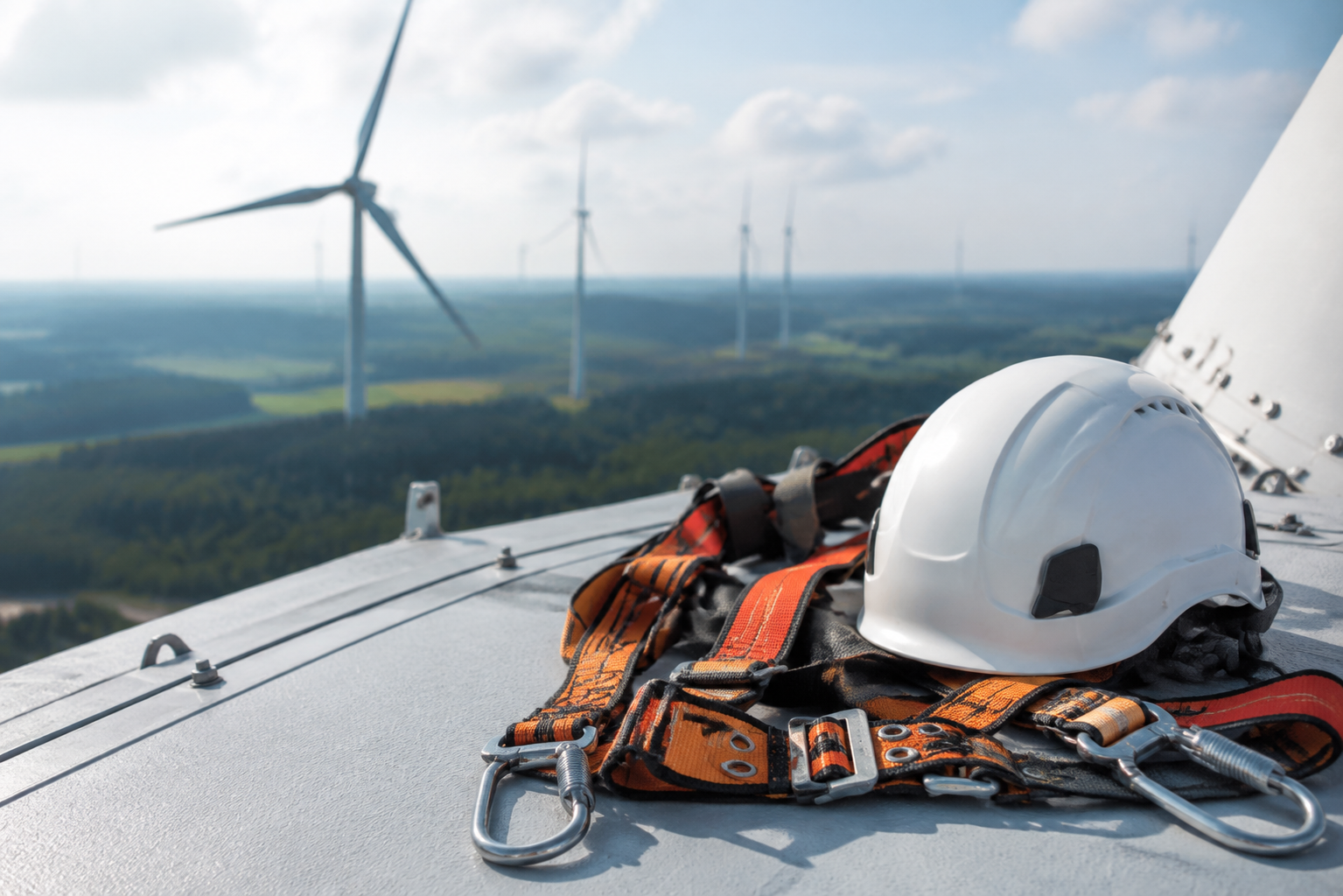
What Does a Wind Turbine Technician Do?
A wind turbine technician inspects, maintains, troubleshoots, repairs, and documents turbines and their electrical, mechanical, hydraulic, and control systems. A normal shift may begin with a pre-job briefing, weather review, permit check, and lockout/tagout discussion before you access the nacelle by ladder, service lift, or platform.
During preventive maintenance, you may test circuits, inspect blade roots, lubricate bearings, check brake wear, replace filters, torque fasteners, examine hydraulic hoses, and enter readings into a computerized maintenance management system. SCADA data can reveal abnormal temperature, vibration, pitch angle, generator output, or converter behavior before a failure occurs. Emergency work is less predictable: a gearbox alarm may require diagnostic testing, parts coordination, a crane plan, and several days of repair.
Technicians commonly service blades, gearboxes, generators, brakes, pitch controls, yaw systems, hydraulic equipment, transformers, converters, and SCADA monitoring equipment. Onshore crews usually drive to remote wind farms. Offshore technicians add vessel transfers, corrosion control, marine weather limits, helicopter procedures, and rotations that may keep them offshore for to days.
A sample schedule illustrates the difference: Monday may involve four planned turbine inspections; Tuesday may require a six-hour electrical fault search; Wednesday may be lost to high winds; and Thursday may involve replacing a hydraulic power unit. Employers include Vestas, Siemens Gamesa, GE Vernova, independent service providers, utilities, wind-farm owners, contractors, and public power agencies. For How to Become a Wind Turbine Technician in the USA: A Complete Guide, learning accurate documentation is as important as turning a wrench.
Basic Requirements: Education, Age, and Physical Abilities
Many employers accept a high school diploma or GED, but a technical certificate or associate degree can make your application stronger. Useful high school subjects include algebra, physics, electrical systems, shop, computer technology, and technical writing. Experience repairing vehicles, HVAC equipment, industrial machinery, or agricultural equipment can also demonstrate practical ability.
Typical minimum requirements include being at least 18, holding a valid driver’s license, passing a background check and drug screen where required, and accepting travel or relocation. Employers may also require color vision sufficient to distinguish wiring and indicator lights, hearing protection compatibility, medical clearance, and the ability to wear a harness, respirator, and other personal protective equipment.
The physical demands are specific. You may climb a 300-foot tower, kneel inside a nacelle, grip tools while wearing gloves, lift components with assistance, balance on platforms, and tolerate wind, heat, cold, noise, and vibration. A BLS profile identifies climbing, confined spaces, and outdoor exposure as defining conditions of the occupation rather than occasional exceptions.
Prepare before paying for school. Build cardiovascular endurance, practice safe ladder movement under qualified supervision, learn basic hand-tool use, and arrange a medical evaluation if you have concerns about heights, breathing, hearing, or joints. We recommend asking a training provider exactly how many climbing and rescue hours are included. How to Become a Wind Turbine Technician in the USA: A Complete Guide should begin with knowing whether your body can safely handle the work.
Education and Training Pathways for Wind Turbine Technicians
You generally have three routes: a community-college wind energy program, a technical or trade-school certificate, or employer-sponsored/manufacturer training. A one-year certificate may cover electrical theory, hydraulics, mechanical systems, programmable logic controllers, industrial safety, climbing, rescue, and troubleshooting. A two-year associate degree usually adds advanced electronics, instrumentation, mathematics, blueprint reading, programmable controls, and broader industrial-maintenance skills.
Research programs in Iowa, Texas, Oklahoma, Colorado, Kansas, and other Great Plains states because those regions contain major wind employment markets. Examples worth investigating include community-college wind and energy technology programs near the Iowa, Texas Panhandle, Oklahoma, Colorado, and Kansas wind corridors; compare the exact curriculum rather than choosing solely by program name.
Before enrolling, request evidence about accreditation, turbine access, rescue equipment, instructor qualifications, employer partnerships, graduate employment, placement rates, tuition, transportation, and housing. Online courses can teach electrical theory and mathematics, but most employers still want verified hands-on work-at-height, rescue, electrical safety, and mechanical training.
Use this checklist when comparing a $5,000 certificate with a $20,000-plus associate degree:
- Does the cheaper program provide real turbine lab hours and an internship?
- Will employers in your target state recognize its credentials?
- How much debt remains after grants, tools, travel, and lost wages?
- Does the degree add controls, instrumentation, or industrial skills that support advancement?
- Are local openings sufficient to justify relocation?
We found that program quality and employer access matter more than the credential’s title. That is a central lesson in How to Become a Wind Turbine Technician in the USA: A Complete Guide.
Certifications and Safety Training Employers Look For
Global Wind Organisation, or GWO, training is widely recognized across wind employers. Its Basic Safety Training modules commonly address first aid, manual handling, fire awareness, working at heights, and—when offshore work is planned—sea survival. Verify the current module requirements directly through the Global Wind Organisation, because course standards and provider approvals can change.
Employers also provide or require OSHA-aligned instruction covering fall protection, lockout/tagout, electrical safety, confined spaces, hazard communication, rigging, dropped-object prevention, and rescue procedures. OSHA’s fall-protection guidance explains why equipment inspection, anchorage, training, and rescue planning must be treated as a system.
CPR and first-aid certification matters because a remote wind farm may be far from emergency services. Brand training for Siemens Gamesa, Vestas, GE Vernova, and other platforms commonly follows hiring; it usually does not replace entry-level education. NCCER Industrial Maintenance or Electrical credentials, National Association of Tower Erectors training, and a commercial driver’s license may help with particular field-service jobs.
- Earn basic first aid and CPR.
- Complete OSHA-aligned safety courses, including lockout/tagout and hazard communication.
- Obtain verified work-at-height and rescue training.
- Build electrical, mechanical, hydraulic, and controls knowledge.
- Complete employer or manufacturer credentials after hiring.
Do not pay for an unfamiliar certificate without checking practical hours, insurance, instructor qualifications, current standards, and employer acceptance. Our analysis of hiring requirements found that recognizable hands-on safety training consistently carries more weight than a polished but unverified certificate. That is the practical meaning of How to Become a Wind Turbine Technician in the USA: A Complete Guide.
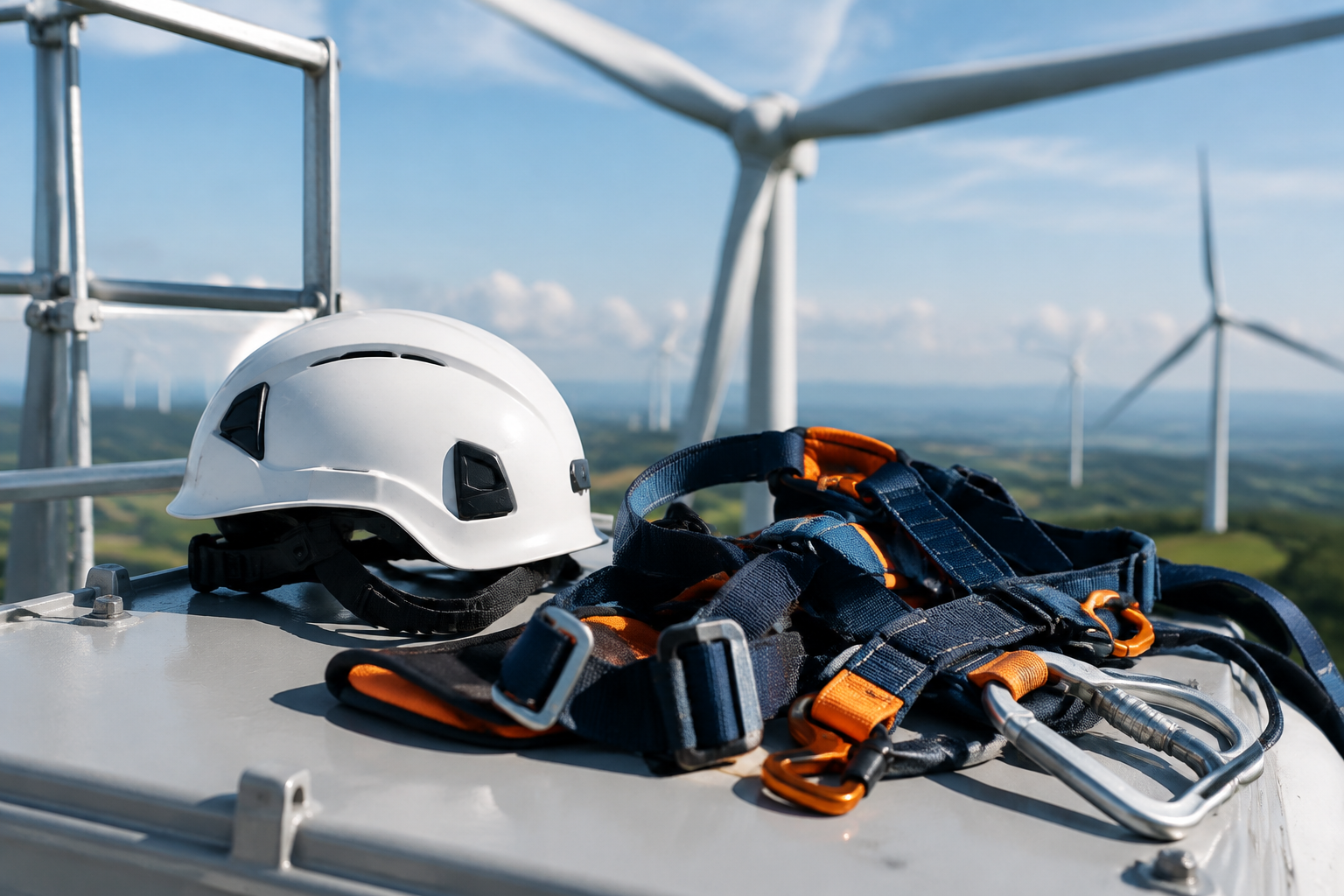
How to Become a Wind Turbine Technician: A Step-by-Step Career Plan
The most reliable path has seven stages. You do not need every credential before applying, but you do need evidence that you can learn safely and work with tools.
- Complete secondary education. Build algebra, reading, computer, shop, and technical-writing skills. Automotive repair, HVAC, construction, military maintenance, and factory work are useful foundations.
- Choose technical training. Select wind energy, electrical, mechanical, mechatronics, or industrial-maintenance education with substantial lab time.
- Develop core skills. Practice electrical testing, blueprint reading, torque procedures, hydraulic diagnosis, bearing inspection, and computerized maintenance records.
- Earn safety credentials. Complete CPR, first aid, fall protection, rescue, lockout/tagout, and other employer-required instruction.
- Gain hands-on experience. Consider internships, apprenticeships, solar or electrical work, elevator maintenance, heavy-equipment repair, or factory maintenance.
- Apply strategically. Search for wind technician I, apprentice, traveling service technician, field service technician, and operations-and-maintenance jobs.
- Continue training after hire. Use a 30-, 60-, and 90-day plan to master your turbine platform, rescue drills, documentation, and team procedures.
Quantify your resume: “diagnosed 24-volt control faults,” “completed hours of preventive maintenance,” or “maintained a zero-recordable-incident safety record.” In our experience, specific evidence beats saying you are hardworking. How to Become a Wind Turbine Technician in the USA: A Complete Guide is ultimately a progression from basic competence to trusted responsibility.
Salary, Job Outlook, and Where Wind Technicians Work
BLS reports a national median annual wage of about $62,580 for wind turbine service technicians, with pay varying across the wage distribution and by location. The occupation’s projected 60% growth from to is unusually high beside the 4% average for all occupations. Check the latest BLS wage and outlook tables before making a financial decision because annual figures are updated.
Base salary is only one part of compensation. Ask separately about overtime, per diem, travel time, lodging, bonuses, remote-site premiums, tool allowances, and offshore differentials. A local junior technician might receive a modest starting wage with predictable evenings; a traveling technician may earn more through overtime and per diem; an experienced offshore technician may earn substantially more because of specialized training, rotations, and risk exposure. These are scenarios, not guaranteed offers.
Major employment markets include Texas, Iowa, Oklahoma, Kansas, California, Illinois, Colorado, Minnesota, Wyoming, and New York. Pay changes with turbine platform, union status, experience, travel percentage, region, and whether you perform major-component exchange or high-voltage work.
Large employers may provide health insurance, retirement contributions, life insurance, paid travel, tuition support, paid safety training, and tools. We recommend comparing total compensation in 2026: a $60,000 job with paid lodging and regular overtime may be worth more than a higher salary requiring unpaid travel and frequent relocation. This financial reality belongs in How to Become a Wind Turbine Technician in the USA: A Complete Guide.
Finding Your First Wind Turbine Technician Job
Search manufacturer career pages, independent service providers, utility websites, renewable-energy contractors, state workforce portals, community-college job boards, and LinkedIn. Use several titles because employers label similar work differently: wind technician I, wind turbine apprentice, field service technician, electrical wind technician, mechanical wind technician, and operations-and-maintenance technician.
Put safety credentials, electrical skills, mechanical repairs, travel availability, driver’s-license status, and climbing qualifications near the top of your resume. Keep it readable while including terms used in the posting, such as hydraulic troubleshooting, SCADA, preventive maintenance, PLC, torque, rigging, and lockout/tagout. Add numbers: “inspected industrial motors” is stronger than “worked on motors.”
Prepare for practical interview questions. Explain how you would respond to a hydraulic leak, isolate an electrical fault, apply lockout/tagout, prepare for a rescue, or stop work when weather exceeds site limits. Have a clear example of teamwork and a time you refused unsafe work without blaming coworkers.
Build relationships with instructors, career-center staff, utility employees, veterans’ employment programs, and technicians met during internships. Veterans can translate aircraft maintenance, diesel mechanics, power generation, electronics, rigging, and aviation safety into wind terminology.
Set an initial target of to relevant applications. Track employer, location, credential requirements, pay range, travel percentage, interview stage, and follow-up date. That organized approach makes How to Become a Wind Turbine Technician in the USA: A Complete Guide an actual job-search plan rather than a vague ambition.
The Hard Parts of the Job: Safety, Travel, and Long-Term Health
The serious hazards include falls, arc flash, dropped objects, unexpected machine movement, blade and tower work, severe weather, fatigue, and long drives between remote sites. OSHA fall-protection requirements address training and equipment, but rules alone do not save someone if the crew has no workable rescue plan. A fallen technician may need rapid retrieval rather than waiting for a local fire department unfamiliar with the turbine.
Inspect harnesses, ropes, anchors, and connectors before every use. Use two-person verification for isolation, maintain hydration, wear hearing protection, report near misses, and stop work when wind, lightning, ice, or visibility exceeds site limits. The Occupational Safety and Health Administration provides standards and training references that you should review before accepting a job.
Repetitive climbing, rotating schedules, emergency callouts, isolation, and long drives can produce physical and mental fatigue. Some workers relocate to rural communities, find limited housing near wind farms, or spend weeks away during construction surges. Ask employers about recordable incidents, rescue-drill frequency, staffing, fatigue policies, stop-work authority, equipment age, and technician turnover.
Protect your long-term health with strength training, mobility work, planned sleep, hearing conservation, hydration, and regular medical checkups. We recommend speaking with current technicians about injury patterns and actual schedules, not just advertised benefits. How to Become a Wind Turbine Technician in the USA: A Complete Guide must include the conditions that determine whether you can sustain the career.
Career Advancement Beyond Entry-Level Technician Work
Common advancement routes include senior technician, lead technician, site supervisor, field service manager, reliability specialist, blade specialist, electrical specialist, trainer, planner, and regional operations manager. You may also move into control-room operations, SCADA monitoring, condition-based maintenance, vibration analysis, drone inspection, data analysis, or renewable-energy project management.
Promotion usually follows demonstrated judgment rather than time alone. Build root-cause analysis, technical reporting, mentoring, inventory control, budgeting, crew leadership, computerized maintenance management, and communication skills with landowners and utilities. Specialization in gearboxes, generators, blade repair, high-voltage systems, offshore turbines, or major-component exchange can increase responsibility.
A realistic five-year plan might look like this:
- Year 1: qualify on one turbine platform and perform supervised maintenance safely.
- Year 2: handle troubleshooting, documentation, and selected rescue responsibilities.
- Year 3: become a senior or lead candidate and mentor newer technicians.
- Year 4: add vibration, blades, high-voltage, SCADA, or planning expertise.
- Year 5: pursue site leadership, reliability, training, or control-room work.
Additional education in electrical engineering technology, mechatronics, industrial technology, safety, or renewable energy can support that progression. Larger turbines, predictive maintenance, digital twins, recyclable blades, drones, battery storage, and hybrid wind-and-solar sites are creating new technical work. Based on our analysis, continued learning is the strongest theme in How to Become a Wind Turbine Technician in the USA: A Complete Guide.
How to Decide Whether This Career Fits You
Rate yourself honestly from to on mechanical curiosity, electrical problem-solving, comfort with heights, physical conditioning, safety discipline, teamwork, travel tolerance, and outdoor work. A low score does not automatically disqualify you, but it identifies what you must test before committing to tuition.
Compare alternatives. An industrial electrician may work indoors with more predictable travel; an HVAC technician handles varied customer environments; an elevator mechanic combines electrical and mechanical work at height; a utility lineworker faces climbing and energized systems; a solar installer often works lower and closer to communities; an aircraft mechanic emphasizes inspection standards; and a heavy-equipment technician focuses on engines, hydraulics, and mobile machinery.
Create a cost-and-return worksheet that includes tuition, tools, safety training, transportation, relocation, lost wages during school, starting compensation, benefits, and expected debt. For example, a $5,000 certificate may be financially wiser than a $20,000 degree if both provide employer access and practical labs—but the degree may win if it includes a paid internship and broader maintenance skills.
Warning signs include vague duties, unsafe climbing demonstrations, no rescue equipment, hidden fees, unverified placement claims, or pressure to ignore hazards. Speak with at least three current technicians about schedules, injuries, travel, management, pay progression, training, and why people leave. Veterans, women, rural workers, and career changers should look for measurable support: transparent selection criteria, proper PPE, mentoring, accessible facilities, and published completion data. How to Become a Wind Turbine Technician in the USA: A Complete Guide is a good choice only when the work and training fit your actual circumstances.
Your 30-Day Action Plan and Final Next Steps
Use the next days to replace uncertainty with evidence. During days through 7, review BLS wage and outlook information, read OSHA fall-protection and electrical-safety guidance, search local programs, calculate training costs, inventory your current skills, and identify five nearby employers.
During days through 14, contact two community colleges and request curricula, lab-hour totals, tuition, internship details, and graduate-placement data. Compare GWO or equivalent safety training, then schedule informational interviews with working technicians. During days through 21, update your resume, complete or schedule CPR and first aid, practice basic electrical and mechanical skills, and collect transcripts, licenses, references, and work records.
During days through 30, apply for apprenticeships and entry-level positions, attend a workforce event, create a job-tracking spreadsheet, and prepare answers about hydraulic leaks, electrical troubleshooting, lockout/tagout, rescue, teamwork, and stop-work decisions. We recommend applying before you feel perfectly qualified if a posting says training is available.
You do not need the perfect credential on day one. You need a verified training route, safe hands-on experience, recognized safety credentials, and the willingness to keep learning. Use the U.S. Department of Energy Wind Energy Technologies Office, BLS, OSHA, and GWO to confirm current information in 2026.
The decision rule is simple: choose the lowest-cost reputable route that provides practical training, recognized safety credentials, employer connections, and a realistic path to paid field experience. That is the clearest final lesson from How to Become a Wind Turbine Technician in the USA: A Complete Guide. Start with one verified conversation, one skills assessment, and one application this week.
Key Takeaways
- A high school diploma or GED can be enough to start, but technical education, hands-on maintenance experience, and recognized safety training improve your prospects.
- The BLS projects 60% employment growth for wind turbine service technicians from to and reports median annual pay of approximately $62,580.
- Expect climbing, confined spaces, outdoor weather, travel, rotating schedules, and strict rescue and fall-protection procedures.
- Compare certificates and associate degrees by lab hours, turbine access, employer partnerships, placement evidence, total cost, and debt—not by title alone.
- Choose the lowest-cost reputable path that leads to practical experience, recognized credentials, and paid entry-level field work.
Frequently Asked Questions
How long does it take to become a wind turbine technician?
A technical certificate may take about to months, while an associate degree generally takes two years. You can also enter through industrial maintenance, military, electrical, or mechanical experience and complete employer training after hiring.
Do you need a college degree to become a wind turbine technician?
No. Many employers accept a high school diploma or GED plus relevant technical skills and safety training. A certificate or associate degree can improve your hiring prospects and prepare you for electrical, mechanical, controls, or supervisory work.
How much do wind turbine technicians make?
The BLS reports a national median annual wage of approximately $62,580, but actual pay varies by experience, region, overtime, travel, union status, offshore work, and specialized credentials. Compare base pay with per diem, lodging, travel time, bonuses, retirement benefits, and insurance.
Is wind turbine technician work dangerous?
The job includes serious hazards such as falls, arc flash, dropped objects, unexpected movement, severe weather, and fatigue. Strong employers use formal isolation procedures, fall protection, rescue drills, weather limits, equipment inspections, and stop-work authority to control those risks.
What certifications are useful for entry-level wind technicians?
CPR and first aid, work-at-height and rescue training, lockout/tagout, electrical safety, hazard communication, and GWO Basic Safety Training can be useful. Employer-specific credentials for Vestas, Siemens Gamesa, GE Vernova, or another platform usually come after hiring.
Can online training qualify you for wind turbine work?
Online courses can provide theory in mathematics, electricity, and safety, but they generally cannot replace verified hands-on climbing, rescue, electrical, and mechanical practice. Check each employer’s requirements before relying on remote instruction.
How to Become a Wind Turbine Technician in the USA: A Complete Guide—what is the first step?
Start by checking the latest BLS requirements and local employer postings, then assess your education, physical readiness, driver’s license, travel flexibility, and mechanical or electrical experience. Next, compare reputable technical programs and schedule conversations with at least three current technicians.
